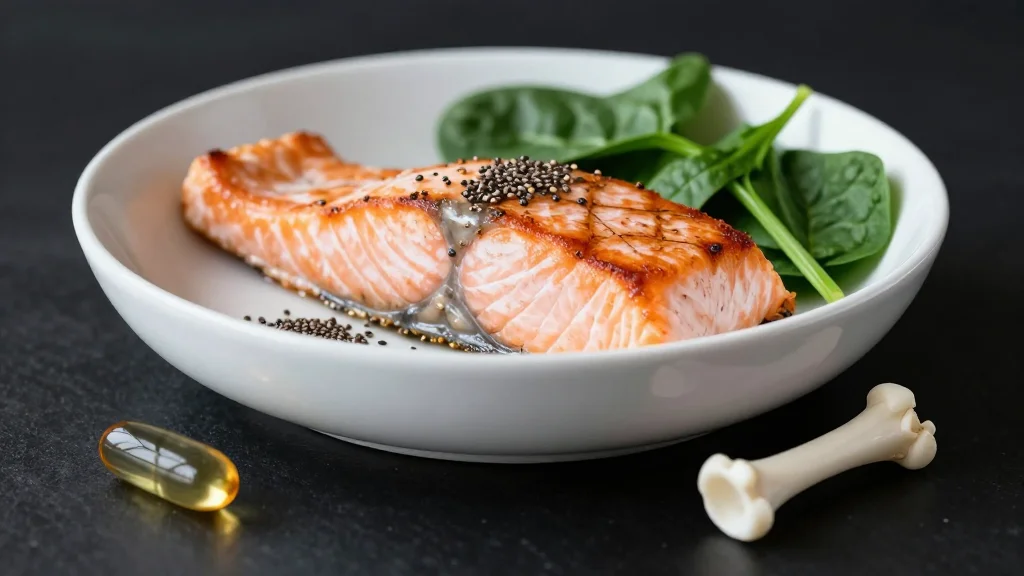
Omega-3 PUFAs in Musculoskeletal Health and Sports Medicine: From Molecular Pathways to Precision Nutrition Strategies
A new narrative review links omega‑3 polyunsaturated fatty acids (PUFAs) to musculoskeletal health by tracing their anti‑inflammatory and tissue‑repair pathways from the cellular level to clinical outcomes. The authors detail how omega‑3s remodel cell membranes, shift lipid mediator profiles, and inhibit NF‑κB and NLRP3 inflammasome signaling. Clinical trials show supplementation can improve bone turnover markers, ease osteoarthritis pain, and curb peri‑operative muscle loss. In sports medicine, omega‑3s boost anabolic metabolism, energy efficiency, recovery speed, and even neuroprotection, positioning them as a cornerstone of precision nutrition for athletes and patients alike.
Targeting Muscle–Vasculature Crosstalk in Aging Through the Integrative Roles of L-Citrulline, Leucine, and Exercise: Focus on Muscle Metabolism, Vascular Function,...
Aging simultaneously erodes skeletal muscle mass and vascular function, creating a feedback loop that accelerates sarcopenia. L‑citrulline boosts nitric‑oxide production, enhancing endothelial health, while leucine stimulates the mTOR pathway to increase muscle protein synthesis. Recent studies show that combining these...

How Many Minutes of Cycling a Week Improve Heart Health?
Recent research confirms that regular cycling delivers substantial cardiovascular benefits. A 2021 systematic review of 17 studies covering nearly 479,000 people found a 23 % lower all‑cause mortality and a 24 % lower cardiovascular mortality for higher cyclists. The analysis identified roughly...

The Peptide Fad Lures Health Tech
Health‑tech firms are pivoting toward peptide therapeutics as the next growth engine after the blockbuster GLP‑1 weight‑loss drugs. Peptides, which include insulin and GLP‑1, are being explored for obesity, metabolic and chronic disease treatments. Industry analysts project the global peptide...

Should You Take Multivitamins?
Recent analyses indicate that multivitamins can offer modest health benefits for specific groups, such as older adults and those with nutrient deficiencies, challenging the 2013 Annals of Internal Medicine editorial that urged consumers to stop spending on them. Large-scale randomized...

How Power Cleans Lead to Better Run Performance
Power cleans, an Olympic‑style explosive lift, are gaining traction among distance runners seeking to enhance stride efficiency and injury resilience. Experts advise mastering foundational lifts before attempting the clean, emphasizing mobility drills such as the world’s greatest stretch and shoulder...

What Is a Healthy Body Fat Percentage? Experts Explain
Body fat percentage, the ratio of fat to lean mass, offers a clearer health picture than BMI and varies by age, sex, and activity level. The American College of Sports Medicine (ACSM) recommends 14‑31% for women and 6‑25% for men...

How Old Is Your Brain, Exactly? Brain Age May Impact Dementia Risk
Researchers applied a machine‑learning model to sleep‑EEG recordings from more than 7,000 participants, generating a “brain age” index that reflects how fast the brain appears to age. The analysis showed that a brain age ten years older than a person’s...

Alex Hutchinson Digs Into Running’s High-Carb Craze
Recent research is prompting a dramatic increase in recommended carbohydrate intake for distance runners, with some studies suggesting athletes consume up to five times more carbs than traditional guidelines. This “carbolution” has turned carb loading from an elite‑only ritual into...

Scientists Just Uncovered a Surprising Link Between Meat and Dementia Risk
A new JAMA Network Open study of 2,157 Swedish seniors found that higher consumption of unprocessed meat was linked to a lower risk of dementia, but only among individuals carrying the APOE 3/4 or APOE 4/4 genotypes. Participants eating about 30 ounces of...
SpectraCell Packages Longevity, Early Disease Detection in One Kit
SpectraCell Laboratories introduced Baseline Nexus, a bundled diagnostic kit that merges four flagship tests—micronutrient profiling, lipoprotein particle analysis, telomere length measurement, and MTHFR genotyping—into a single service. The package aims to reveal hidden nutrient deficiencies, cardiovascular risk, biological aging, and...

Scientists Cured Type 1 Diabetes in Mice by Creating a Blended Immune System
Scientists have cured type 1 diabetes in mice by creating a blended, or chimeric, immune system that tolerates transplanted insulin‑producing cells without lifelong immunosuppression. The protocol combines donor bone‑marrow stem cells, islet cells, low‑dose radiation, antibodies and the drug baricitinib, allowing...

New Research Suggests There’s a Better Way to Track Strength Training Than the One-Rep Max
A new commentary in the International Journal of Sports Physiology and Performance, led by Brazilian researcher Irineu Loturco, challenges the traditional one‑rep max (1RM) as the primary metric for strength training. The authors argue that 1RM testing is inaccurate, time‑consuming,...
Nionyx Bio’s Kidney Gene Therapy Wins the 2026 BIO-Europe Spring Startup Spotlight
Nionyx Bio, led by CEO Magdalena Tyrpien, captured first place in the 2026 BIO‑Europe Spring Startup Spotlight in Lisbon. The company focuses on a proprietary adeno‑associated virus (AAV) capsid platform paired with a Kidney Atlas to deliver gene therapies for...

Agentis, Ultrahuman Tie Wearables to Longevity Quotient
Agentis Longevity and Ultrahuman announced a strategic partnership to fuse Ultrahuman’s real‑time wearable and continuous glucose monitoring data with Agentis’ proprietary Longevity Quotient (LQ) score. The combined platform will deliver a continuous health score that translates biosensor readings into actionable...

Matters of the Heart: Aussie Cardiologist on the Role of Ubiquinol and Mitochondria
Australian cardiologist Dr. Ross Walker, a NutraChampion award winner, highlighted the central role of mitochondria in cardiac function, noting each heart cell houses 5,000‑8,000 mitochondria and that mitochondrial efficiency wanes with age. He emphasized ubiquinol, the reduced form of CoQ10,...
Do Genes Dictate How Lifestyle Choices Impact Aging?
An international study of over 13,000 Canadians shows that genetics shape how lifestyle and socioeconomic factors influence healthy aging, measured by intrinsic capacity. Better diet, physical activity, education, employment and social engagement boost intrinsic capacity, while smoking and abnormal sleep...

Digital Heart Twins Can Guide a Lifesaving Procedure
Researchers at Johns Hopkins created patient‑specific digital heart twins that simulate electrical activity to plan ventricular tachycardia ablations. By converting high‑resolution MRI scans into 3‑D models, physicians could test virtual ablations and identify optimal targets before entering the operating room....

20/20 BioLabs Expands Longevity Test with Kidney Risk Tech
20/20 BioLabs announced an exclusive U.S. license with South Korea’s ROKIT Healthcare to embed its chronic kidney disease (CKD) prediction algorithm into the company’s OneTest for Longevity platform. The addition expands the test beyond inflammation biomarkers to provide early kidney...

Is Shaving Your Legs Really Worth It for Runners?
Shaving legs is a proven performance booster for cyclists, but its value for runners remains uncertain. Lionel Sanders’ wind‑tunnel tests showed a four‑minute Ironman improvement and a 13‑watt gain, yet running speeds generate far less aerodynamic benefit. The debate now...
An Exercise Physiologist Explains the Flawed Relationship Between VO2 Max and Bodyweight
VO2 max remains the benchmark for aerobic fitness, but the common relative calculation—dividing absolute oxygen uptake by total bodyweight—fails to account for body composition. Research from 2015 and a 2021 review shows VO2 max aligns more closely with lean muscle mass than...

Power Meter “Accuracy” Claims Are Misleading. Here’s What They Really Mean.
Power‑meter manufacturers tout ±1 % to ±2 % accuracy, but the figure reflects how closely a device repeats its own readings in a lab, not how near it is to true power. In real‑world riding, variables and drivetrain losses mean meters can...
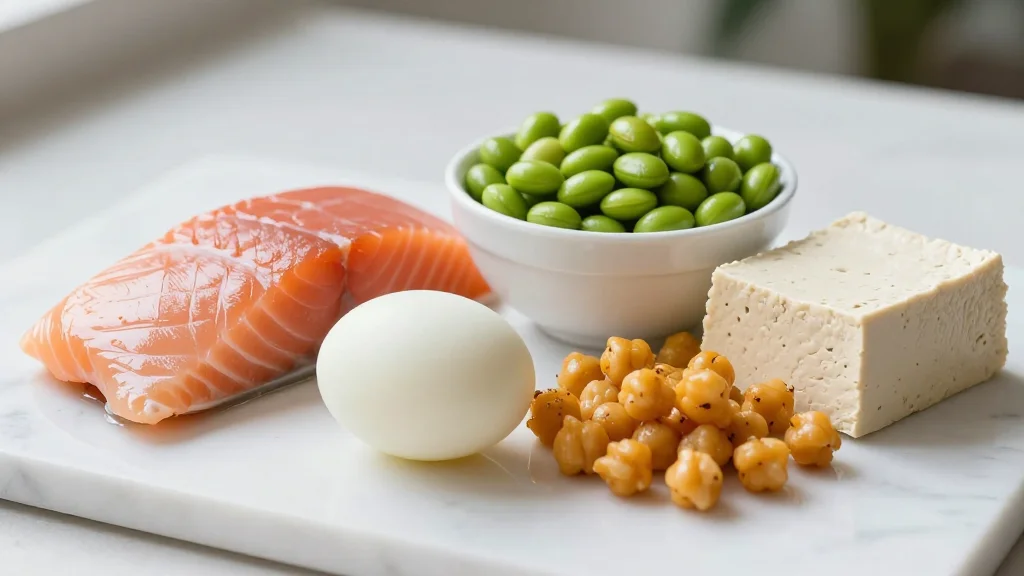
Long-Term Effects of Plant Vs. Animal Protein Supplementation on Body Composition, Muscle Strength, Physical Performance, and Cardiometabolic Risk Factors in...
A new systematic review and meta‑analysis of 18 randomized controlled trials involving 1,893 adults examined the long‑term (≥6 months) effects of plant‑based protein (primarily soy) versus animal‑based protein supplementation. The pooled data showed no statistically significant differences in lean body mass,...
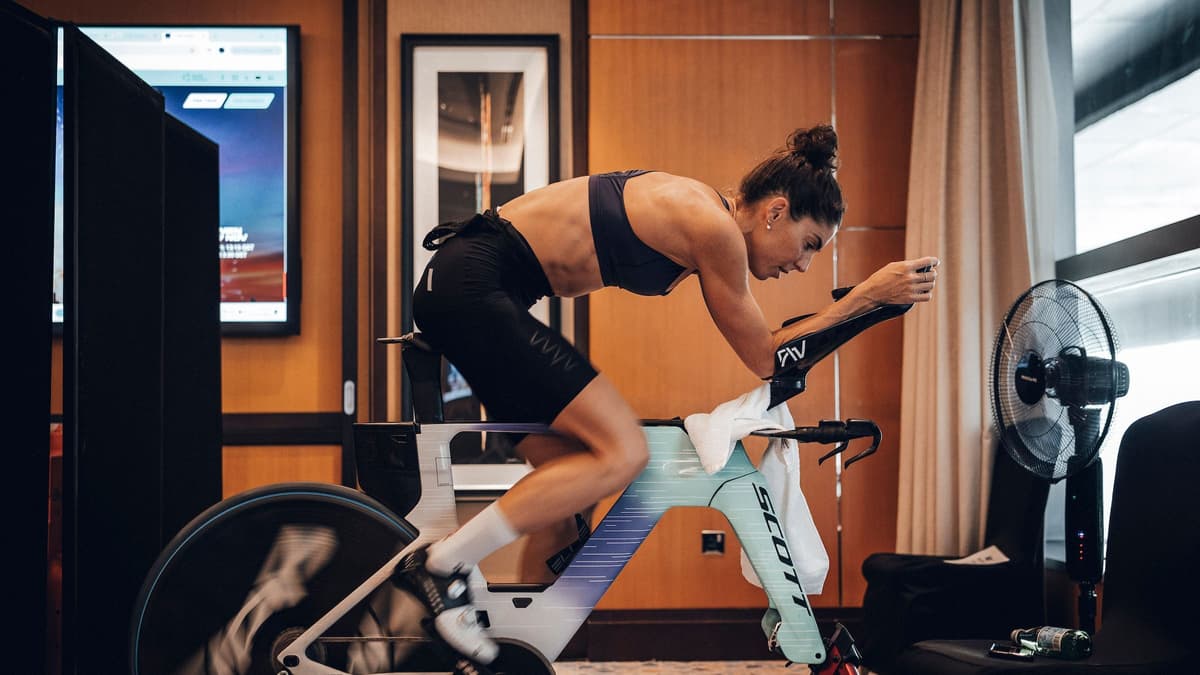
Why 20 Minutes of Focused Intervals Beats a 2-Hour Junk Ride Every Time
Focused interval training can replace long, low‑quality bike sessions for triathletes, delivering equal or greater fitness gains in a fraction of the time. Studies show that 20‑minute high‑intensity blocks improve VO₂ max and aerobic capacity more effectively than two‑hour endurance rides....

Sleeping For 11 Minutes More Each Night Can Help Reduce the Likelihood of Heart Attack and Stroke
A European Journal of Preventive Cardiology study of 53,000 UK Biobank participants found that adding just 11 minutes of sleep each night can lower the risk of heart attack or stroke by roughly 10%. The same modest gains were observed...

The Simple Eating Shift That Can Improve Blood Sugar, Weight, & Sleep
Time‑restricted eating (TRE) limits food intake to a 6‑12‑hour daily window, letting people eat any foods they like within that period. Early‑day windows—ending by mid‑afternoon—show the strongest evidence for improving blood‑sugar control, boosting autophagy, and supporting modest weight loss of...

Chronic Dehydration May Be Undermining UK Workplace Productivity, New Research Suggests
The 2025 UK National Hydration & Wellness Survey found that 58% of UK adults are chronically dehydrated, a condition linked to fatigue, brain fog, and frequent headaches. Research shows even mild dehydration impairs vigilance, working memory, and overall productivity. Misconceptions...
:max_bytes(150000):strip_icc():format(jpeg)/the-lowdown-on-pregnenolone-89502-c9f2ab3e1a6141d3aa0a997bf156818a.png)
The Health Benefits of Pregnenolone
Pregnenolone is a naturally occurring steroid hormone that serves as a precursor to several other hormones and is marketed as a dietary supplement. Emerging research suggests it may boost memory, lessen depressive symptoms, improve cognition in early schizophrenia, and curb...

Tech Bros Hacked Their Diets. Now You May Be Doing It, Too.
The New York Times notes that biohacking has shifted from a niche hobby of wealthy tech insiders to a mainstream DIY wellness movement. Americans are now using affordable diet hacks—such as superfood supplements, glucose monitors, and bullet‑proof coffee—to experiment with...

Deprescribing Diabetes Medications Can Be Feasible and Safe when Lifestyle Medicine Is Integrated Into Primary Care
A retrospective chart review of 650 type 2 diabetes patients in two primary‑care practices found that deprescribing glucose‑lowering medications was feasible and safe when lifestyle medicine was incorporated. Using a structured deprescribing framework, 41 patients (6.3%) had medication doses reduced or...
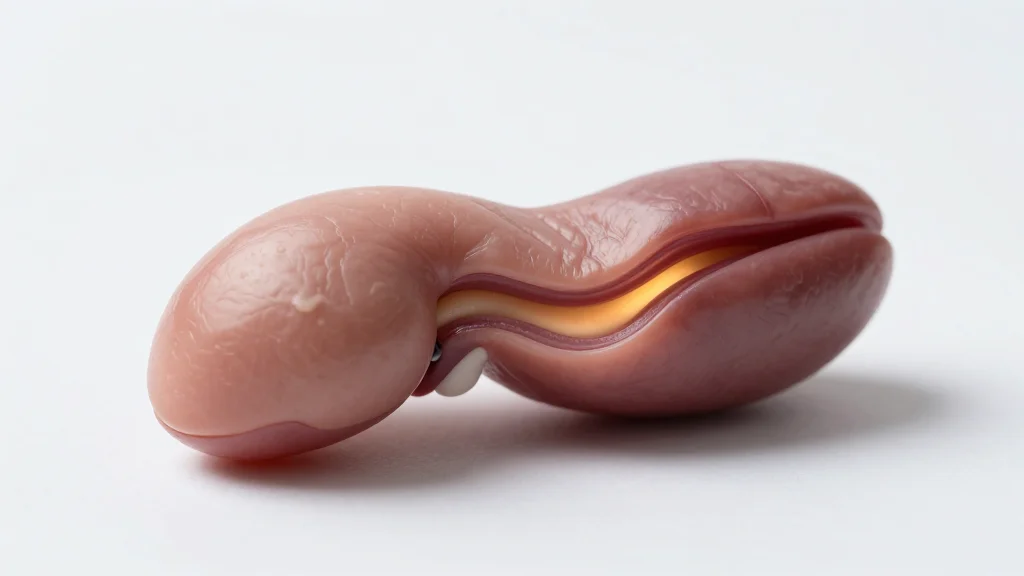
Pancreatic Fat Linked to Greater Heart and Metabolic Health Risks in Children and Adolescents with Obesity
Researchers at Holbæk University Hospital measured pancreatic fat in 283 obese children and adolescents using magnetic resonance spectroscopy. The study, presented at the European Congress on Obesity, found that higher pancreatic‑fat levels were associated with elevated BMI, waist‑to‑height ratio, diastolic...

PFAS Are Toxic and They’re Everywhere. Here’s How to Stay Away From Them.
Per‑ and polyfluoroalkyl substances (PFAS), a class of roughly 9,000 man‑made chemicals, have been detected in 97% of Americans and are linked to immune disruption, developmental issues, fertility problems, liver damage, and various cancers. These "forever chemicals" persist for more...

Can Medicine Outrun Aging? Gerontologist Says Odds Are Improving
Longevity Escape Velocity (LEV) founder Aubrey de Grey discussed the concept of outpacing aging on the Longevity Technology Unlocked podcast. He described LEV as repairing molecular damage to rejuvenate individuals, buying decades for further research, and highlighted mouse studies combining...

AI-Built Intrabodies Target Alzheimer’s Within
University of Essex researchers used artificial intelligence to redesign antibody fragments, creating "intrabodies" that remain stable inside human cells. By adjusting electrical charge, they converted 672 antibodies into intracellularly functional molecules that bind disease‑causing proteins linked to Alzheimer’s, Parkinson’s, Huntington’s...

Scientists Have Discovered an 'Achilles' Heel' In Deadly Superbugs
Scientists have identified pseudaminic acid, a sugar found only on the surface of certain Gram‑negative bacteria, as a vulnerable target. By synthesizing this sugar and creating monoclonal antibodies that bind it, researchers demonstrated in mice that the antibodies flag the...

Should All Middle-Aged Triathletes Get Advanced Lipid Testing? A Doctor Weighs In.
A recent case study of a 55‑year‑old Ironman who suffered cardiac arrest revealed that his standard cholesterol test missed dangerously high levels of small dense LDL particles. The authors argue that advanced lipid testing could uncover hidden atherosclerotic risk in...
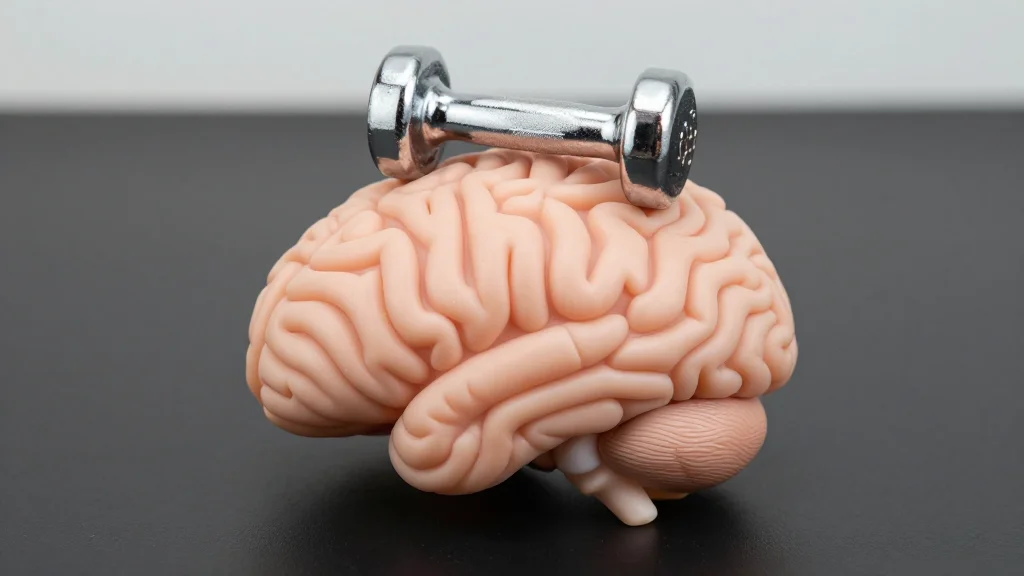
Lifting Weights Can Slow Down Biological Brain Aging in Older Adults
A randomized trial of 309 adults aged 62‑70 showed that one year of resistance training reduced biological brain age by 1.4‑2.3 years, as measured by advanced brain‑clock imaging. Both heavy (three weekly sessions) and moderate (one supervised, two home workouts)...
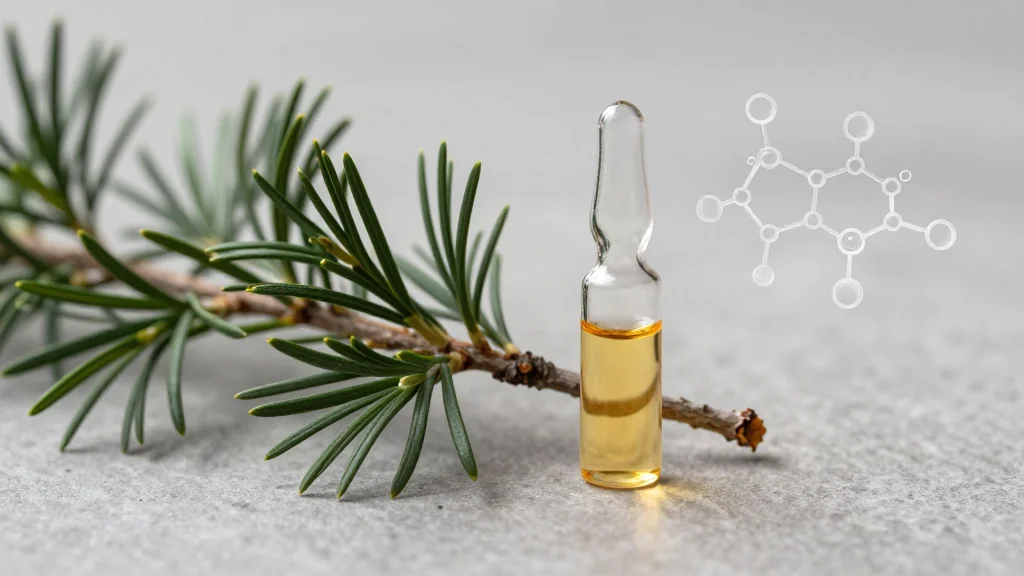
Homoharringtonine Extends Lifespan, Fights Obesity in Mice
Researchers reported that homoharringtonine (HHT), a plant‑derived alkaloid already approved for certain blood cancers, acts as a potent senolytic in mice. The compound selectively eliminated senescent cells across adipose, liver and muscle, leading to lower inflammation, improved glucose tolerance and...

How ‘The Pogačar Effect’ Rewrote the Rules of High-Carb Fueling for the Cobbled Classics
High‑carb fueling has become a cornerstone of the cobbled classics, with riders now ingesting roughly 120 g of carbohydrate per hour from the start of races like the Tour of Flanders and Paris‑Roubaix. The so‑called “Pogačar Effect,” driven by Tadej Pogačar and...
Optimising Exercise Training Prescription in Cardiac Rehabilitation Beyond Clinical Guideline Recommendations
The article reviews current cardiac rehabilitation exercise guidelines and proposes a more individualized, higher‑intensity prescription. It highlights that high‑intensity interval training (HIIT) and interval‑based resistance protocols can boost peak VO₂ and functional capacity without raising adverse events when supervised. The...

Effect of High-Intensity Interval Training on Aerobic Capacity, Physical Fitness, and Body Composition in Martial Arts Athletes: A Systematic Review...
A systematic review and meta‑analysis of 14 randomized trials involving 348 martial‑arts athletes found that high‑intensity interval training (HIIT) significantly enhances aerobic capacity, athletic performance, and body‑fat reduction. VO₂max improved with a large effect size (SMD = 1.04), while lower‑limb power, agility,...
Colon Cancer Screenings: When To Start
Colorectal cancer diagnoses are rising among adults under 50, prompting a shift in screening recommendations. The U.S. Preventive Services Task Force now advises average‑risk individuals to begin colonoscopy screening at age 45, down from 50. High‑risk patients—those with symptoms, family...

AI-Powered Stroke Tool Linked to Improved Patient Outcomes in Large Clinical Trial
A large cluster‑randomized trial of more than 21,000 acute ischemic‑stroke patients across 77 Chinese hospitals tested an AI‑powered clinical decision support system (CDSS). The tool, which combines AI‑assisted imaging with guideline‑based treatment prompts, lowered the 3‑month composite vascular‑event rate from...

NIH Awards Top Scientific Teams for Innovations Linking Nutrition and Autoimmune Disease
The National Institutes of Health announced 15 winning teams in its Nutrition for Our Immune System Health (NOURISH) Autoimmunity Challenge, each receiving a $10,000 prize. The challenge solicited scalable, patient‑centered ideas that integrate diet, microbiome, and multi‑omics approaches to study...

Link Between Ceramide Transport and Cell Senescence Could Inform Aging Biology Research
University at Buffalo researchers discovered that impairment of the ceramide transfer protein (CERT) blocks ER‑to‑Golgi ceramide transport, causing ceramide buildup in the endoplasmic reticulum and triggering ER stress that drives replicative senescence. Pharmacological inhibition of CERT reproduced the senescent phenotype...
Private Clinics Face Longevity Learning Curve
Longevity medicine is moving from niche research into private clinics, where providers are experimenting with layered diagnostics such as genomics, imaging and deep blood panels. The Longevity Show’s new blog outlines the challenges these clinics face, including the lack of...
PREMAZ Expands Early Brain Screening Through Health Is One
PREMAZ, a Cambridge‑backed digital cognitive assessment, has partnered with UK wellness provider Health is One to embed early brain‑health screening into everyday well‑being services. The 10‑15 minute test focuses on "memory precision," detecting subtle declines that traditional tests miss. By...

Discovery of Noma-Linked Bacteria Opens Path to Early Diagnosis and Prevention
Researchers at Liverpool School of Tropical Medicine have discovered a previously undescribed Treponema species strongly associated with noma, a fatal disease affecting impoverished children. Using metagenomic sequencing and machine learning on saliva samples, they identified the bacterium early in disease...
How Nathan Payton Feeds the Strongest Men on Earth
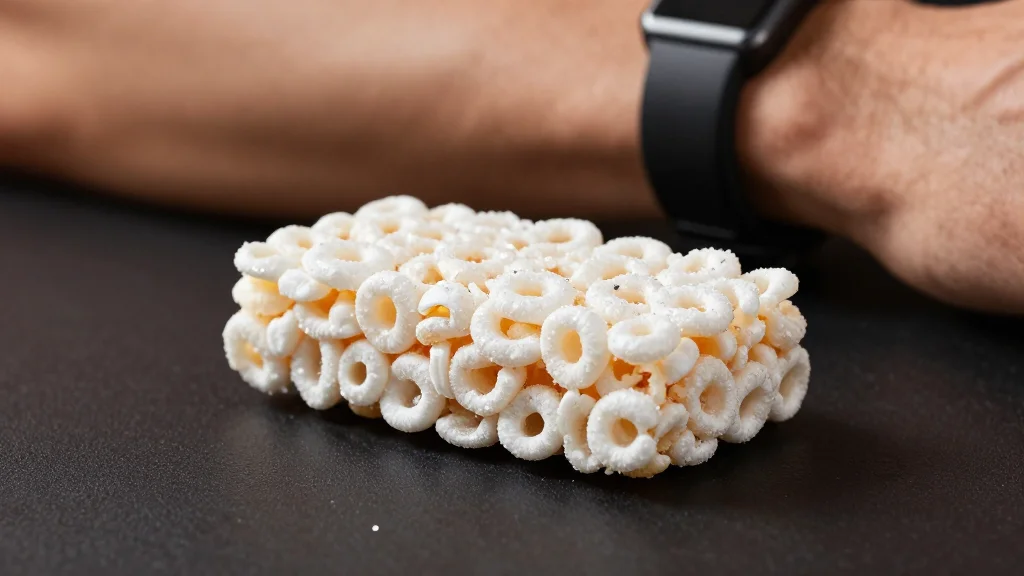
At the Arnold Classic, nutrition architect Nathan Payton guided four strongmen who finished second, third, fourth and seventh, showcasing his impact on elite performance. He relies on dry‑starch snacks like Rice Krispie treats combined with sodium to lock fluid and...

How a Growth Factor and SIRT1 Might Combat Disc Degeneration
Researchers reported that administering the metabolic hormone FGF21 boosts SIRT1 expression, which in turn activates the PINK1‑Parkin mitophagy pathway and reduces cellular senescence in intervertebral disc cells. In a rat model of puncture‑induced disc degeneration, FGF21 treatment partially restored nucleus...