Why It Matters
Cyclist‑specific strength work translates directly into higher power output, better bike handling, and a longer competitive career, making it essential for both elite and recreational riders. Integrating these movements reduces the mental barrier to weight training and supports overall athletic longevity.
Key Takeaways
- •Walking lunges boost on‑bike power by training eccentric‑concentric cycles
- •Split‑stance Romanian deadlifts target glutes, hamstrings, and core stability
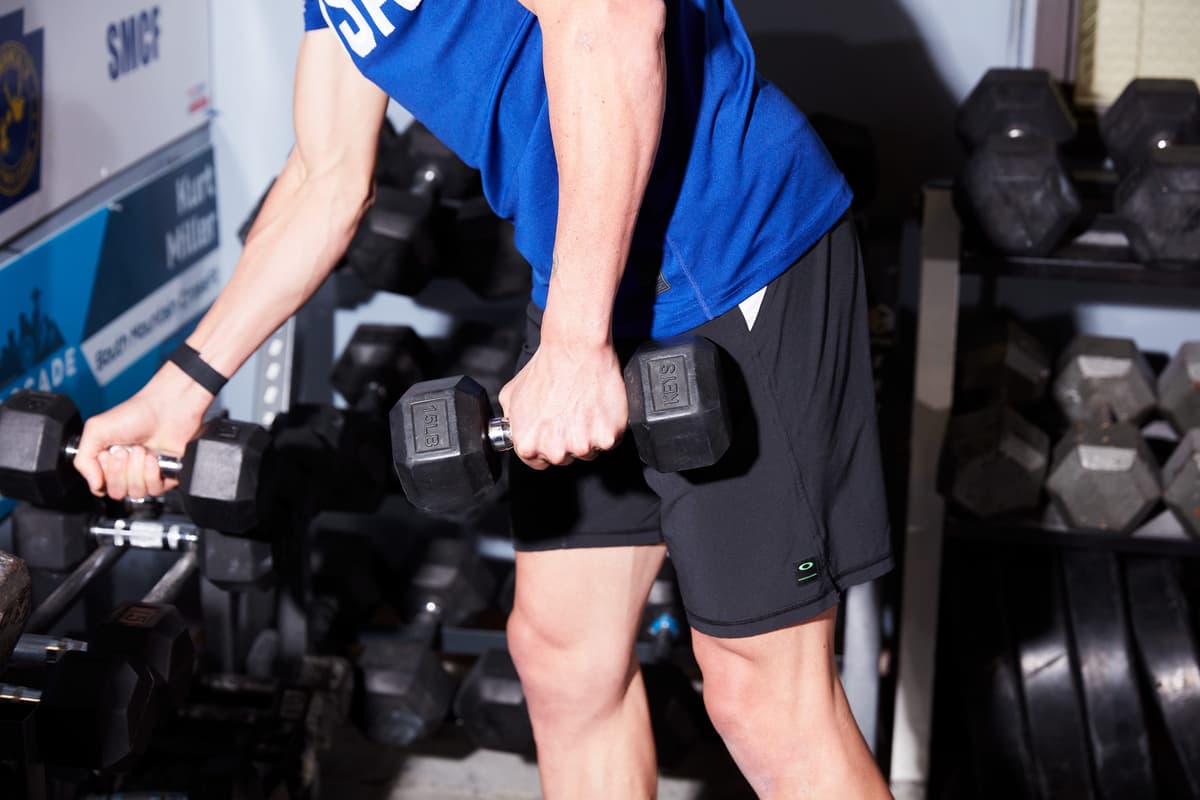
- •Bent‑over rows mimic handlebars pull, enhancing sprint upper‑body strength
- •Plyo lunges develop explosive leg power for hill climbs and sprints
- •Balance‑challenge split squats improve bike handling and functional grip strength
Pulse Analysis
The fitness world is shifting from generic weight rooms to sport‑specific strength programs, and cycling is at the forefront of this evolution. Historically, cyclists shied away from heavy lifting, fearing loss of flexibility or unnecessary bulk. Today, research and elite coaching demonstrate that targeted resistance work not only preserves range of motion but also amplifies the neuromuscular pathways used during pedaling, delivering measurable gains in wattage and endurance.
Physiologically, the cyclist’s power engine relies on a coordinated posterior chain, core, and upper‑body pull. Exercises like split‑stance Romanian deadlifts and bent‑over rows activate glutes, hamstrings, and spinal stabilizers while mimicking the forward‑leaning posture of a rider on the saddle. This biomechanical fidelity forces the nervous system to recruit the same muscle fibers encountered on climbs and sprints, resulting in a reported 10‑20 % increase in sustained power output and improved sprint acceleration. Moreover, strengthening the core and balance‑challenging squats enhances on‑bike stability, reducing the risk of overuse injuries that plague long‑distance cyclists.
For practical implementation, the 7‑move circuit offers a scalable, equipment‑light solution. Cyclists can perform the routine two to three times per week, adjusting load as they progress, and integrate short rest intervals to maintain cardiovascular intensity. The blend of explosive movements, such as plyo lunges, with controlled strength work, like split‑stance deadlifts, creates a comprehensive stimulus that supports both aerobic conditioning and muscular power. By embedding this targeted strength regimen into their training calendar, riders can expect sharper sprint finishes, smoother climbs, and a more resilient body capable of handling the demands of competitive and recreational cycling alike.
How to Strength Train Like a Cyclist
Comments
Want to join the conversation?
Loading comments...