You’re Not Alone If You’ve Wondered: Do Aero Bikes Actually Make You Faster? Here’s the Truth.
Companies Mentioned
Why It Matters
The shift signals manufacturers will prioritize aero engineering, influencing buying decisions and product development across the high‑performance cycling market.
Key Takeaways
- •2025 Tour de France highlighted aero bikes over lightweight models
- •Aerodynamics affect speed on flats, descents, and gentle climbs
- •Weight dominates only on gradients above ~7.5% for pros
- •Modern aero frames now approach all‑around comfort levels
- •Rider position, helmet, and clothing yield larger aero gains than frame alone
Pulse Analysis
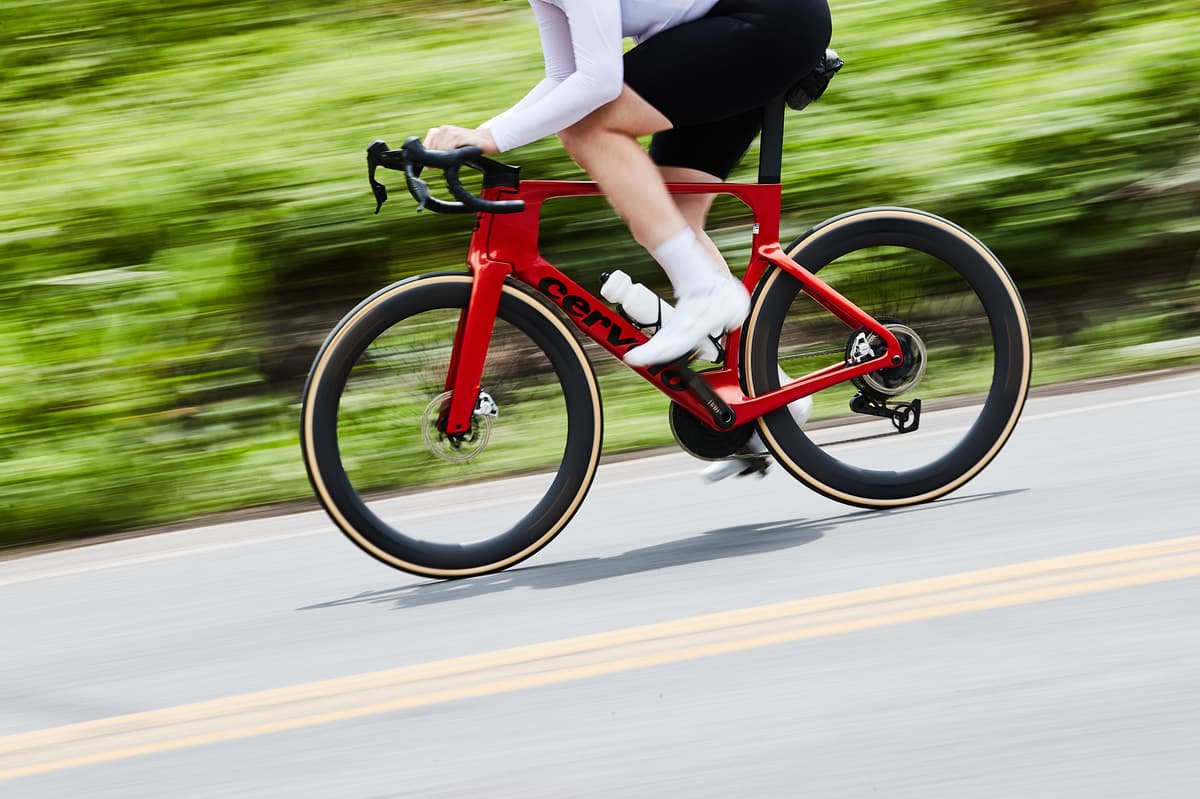
Professional racing has become a proving ground for aerodynamic innovation, and the 2025 Tour de France proved it. Teams that fielded dedicated aero frames such as the Cervelo S5 and Canyon Aeroad consistently posted faster stage times, even on rolling terrain. Manufacturers responded by integrating hidden cable routing, internal brake ducts, and reshaped tube profiles, turning aero design into a core product pillar rather than a niche add‑on. This trend is reshaping the supply chain, with carbon layup specialists and wind‑tunnel facilities seeing heightened demand.
The physics behind the shift are straightforward: aerodynamic drag grows exponentially with speed, while weight only matters on steep climbs where gravity dominates. For elite riders, a gradient steeper than roughly 7.5% is required before shedding a kilogram outweighs a 1% drag reduction. Recreational cyclists face a lower threshold, around 4.5%, but still benefit more from a smoother riding posture and low‑drag apparel than from a few pounds of weight saved. As a result, the performance gap between a pure aero bike and an all‑around model narrows on typical weekend rides.
For consumers, the takeaway is pragmatic. Investing in a high‑end aero frame may not be necessary if you can optimize your position, wear a skinsuit, and choose a deep‑section wheelset. Simple upgrades—such as a time‑trial helmet, tighter clothing, and a more aggressive tuck—often deliver larger time savings than a modest weight reduction. Looking ahead, integrated cockpit designs and aerodynamic e‑bike drivetrains promise to blur the line further, making drag management the dominant factor for speed across all rider categories.
You’re Not Alone If You’ve Wondered: Do Aero Bikes Actually Make You Faster? Here’s the Truth.
Comments
Want to join the conversation?
Loading comments...