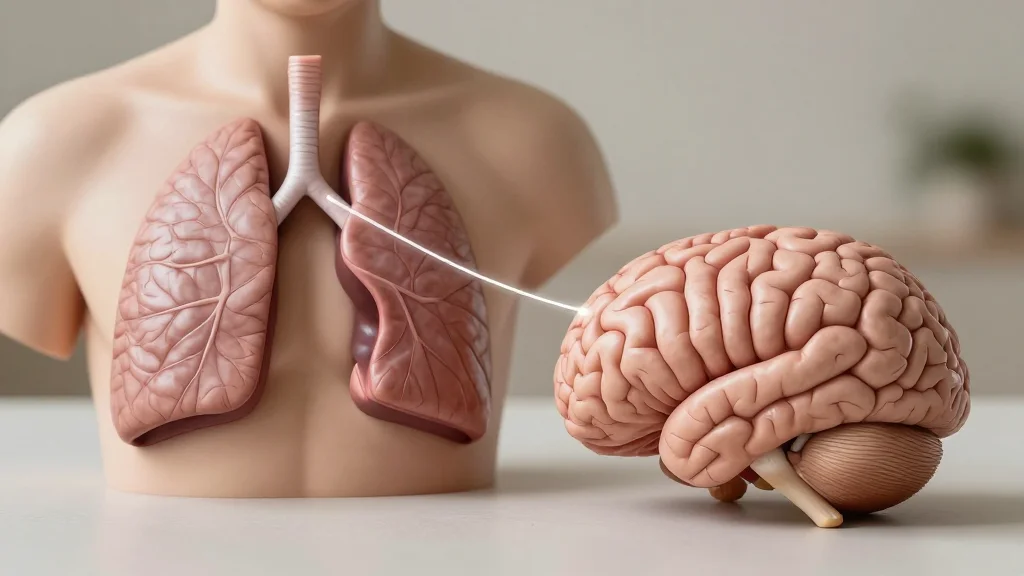
Exploring the Lung-Brain Axis in Perioperative Neurocognitive Disorders: A Potential Therapeutic Target
Why It Matters
PNDs affect up to one‑third of older surgical patients, driving longer hospital stays and higher costs; targeting the lung‑brain connection could lower incidence and improve recovery outcomes.
Key Takeaways
- •Lung microbiota alterations observed after general anesthesia in rodents
- •Lung‑derived B cells reduce amyloid pathology via CXCL12‑CXCR4 signaling
- •Chronic intermittent hypoxia accelerates tau seeding and memory loss
- •Mesenchymal stromal cells alleviate anxiety through a lung‑vagal axis
- •TLR4 knockout or tachykinin blockade dampens ventilation‑induced neuroinflammation
Pulse Analysis
Perioperative neurocognitive disorders have long been framed as a brain‑centric problem, with research focusing on neuroinflammation, blood‑brain barrier disruption, and anesthetic neurotoxicity. However, emerging data suggest that the lungs act as a critical upstream regulator. General anesthesia can rapidly alter the composition of the lung microbiota, creating a pro‑inflammatory milieu that spills over into systemic circulation. Simultaneously, hypoxic episodes common during surgery and postoperative ventilation promote tau phosphorylation and amyloid aggregation, linking pulmonary stress directly to the molecular hallmarks of dementia.
Animal studies provide mechanistic insight into this cross‑talk. Lung‑resident memory B cells have been shown to secrete CXCL12, engaging CXCR4 receptors in the brain and attenuating amyloid‑beta deposition in Alzheimer’s models. Likewise, mesenchymal stromal cell therapy delivered via the pulmonary route reduces anxiety‑like behavior by activating a vagal‑to‑brain axis, underscoring the therapeutic leverage of lung‑derived signals. Genetic knockouts of Toll‑like receptor 4 or pharmacologic blockade of tachykinin pathways blunt neuroinflammation in mechanically ventilated mice, illustrating that modulating lung immune sensors can protect cognitive function.
The translational implications are substantial. If clinicians can monitor and manipulate lung microbiota, oxygenation patterns, or specific cytokine cascades perioperatively, they may preempt the cascade that leads to delirium and longer‑term cognitive decline. Ongoing trials are evaluating inhaled probiotics, targeted anti‑hypoxic agents, and MSC infusions as adjuncts to standard anesthetic protocols. Success would reshape perioperative care, shifting some responsibility for brain health to pulmonary management and opening a new frontier for reducing the economic and human burden of PNDs.
Exploring the lung-brain axis in perioperative neurocognitive disorders: a potential therapeutic target
Comments
Want to join the conversation?
Loading comments...