Re: Weight “Regain” In Obesity Shifts Responsibility From Biology to Personal Inadequacy
Why It Matters
Understanding the metabolic and behavioral drivers of weight recidivism reshapes obesity care, urging clinicians to pair pharmacotherapy with lifestyle scaffolding for lasting results.
Key Takeaways
- •GLP‑1 drugs cut fat and lean mass, lowering metabolism
- •Energy expenditure drops after weight loss, driving regain post‑treatment
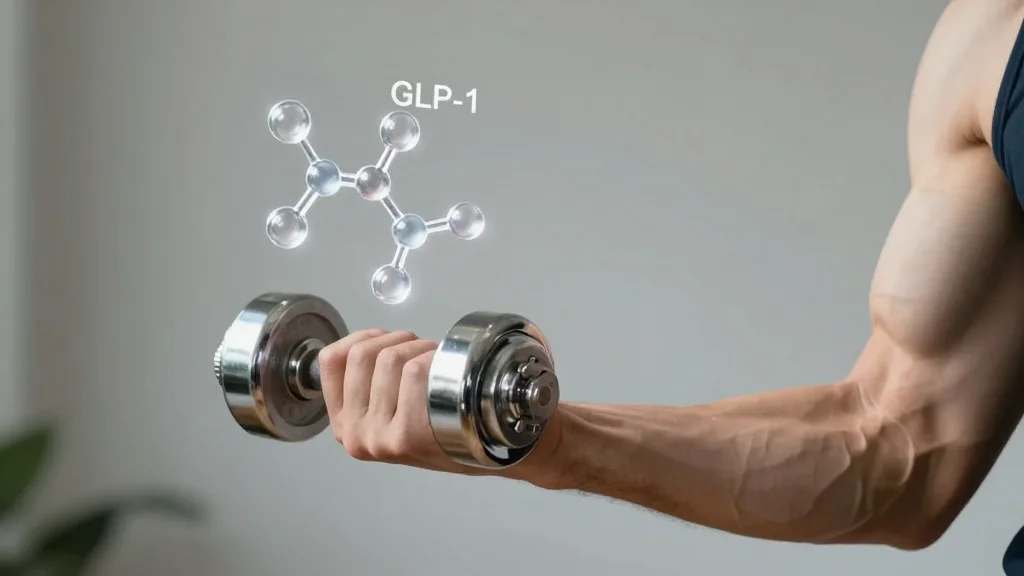
- •Treatment window should include resistance training and protein support
- •Sustainable outcomes depend on behavior changes, not just medication
- •Stigma‑free language alone won’t prevent weight recidivism
Pulse Analysis
Obesity treatment has entered a new era with GLP‑1 receptor agonists delivering unprecedented weight loss, yet the conversation often stalls at the semantics of “weight regain.” By reframing obesity as a chronic, biologically mediated disease, the medical community acknowledges that physiological set‑points and hormonal feedback loops play a central role. However, focusing solely on language overlooks the underlying metabolic shifts that occur during pharmacologically induced weight loss, such as reductions in resting energy expenditure and loss of lean muscle mass, which together create a powerful drive toward weight recidivism once the drug is withdrawn.
The crux of durable weight management lies in the treatment window itself. While GLP‑1 agents suppress appetite, they also provide a rare opportunity for patients to adopt habits that safeguard lean tissue—resistance training, adequate protein intake, and structured physical activity. These behavioral anchors can blunt the adaptive thermogenic decline and preserve basal metabolic rate, reducing the magnitude of rebound weight gain. Clinicians who integrate nutrition counseling and exercise prescriptions into the pharmacotherapy plan transform a short‑term drug effect into a long‑term health trajectory.
For policymakers and health systems, the implication is clear: reimbursement models and clinical guidelines must evolve beyond drug coverage to fund comprehensive lifestyle programs. Future research should quantify how specific exercise regimens and protein targets interact with GLP‑1 therapy to maintain metabolic health post‑cessation. By marrying medication with robust behavioral support, the industry can shift the narrative from inevitable regain to sustainable weight control, ultimately lowering obesity‑related morbidity and health‑care costs.
Re: Weight “regain” in obesity shifts responsibility from biology to personal inadequacy
Comments
Want to join the conversation?
Loading comments...