How This Little-Known Compound Impacts Fat, Brain & Muscle Health
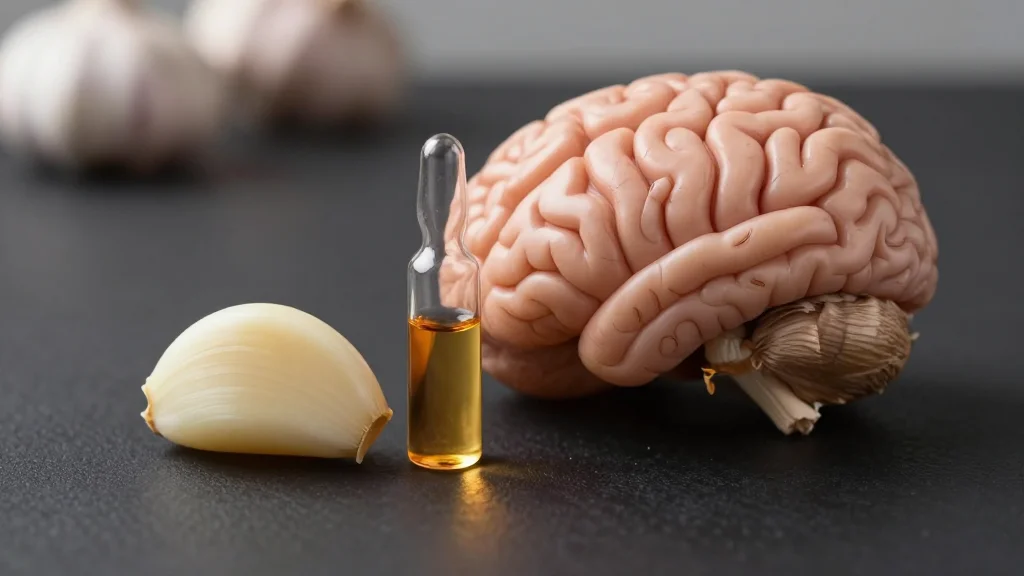
A recent Cell Metabolism study identified S‑1‑propenyl‑L‑cysteine (S1PC), a compound in aged garlic extract, as a trigger for a fat‑to‑brain signaling cascade that raises eNAMPT and supports muscle function in aged mice. The pathway bypasses direct muscle action, instead sending eNAMPT from fat tissue to the hypothalamus, which then enhances skeletal muscle performance. In a small human trial, a single 25 mg S1PC dose acutely increased circulating eNAMPT, but muscle strength or long‑term health outcomes were not measured. The findings suggest a novel metabolic route for age‑related muscle resilience, though human benefits remain unproven.

‘Unmatched’: Nutra Healthspan Summit Returns for November 2026
The Nutra Healthspan Summit returns for its second edition on November 10‑11, 2026, at Convene in London. The two‑day forum will convene brands, researchers, product developers, and investors to explore cutting‑edge advances in cellular aging, mitochondrial function, women’s health, cognition,...

Novel Synthetic Biomolecule Degrades Disease-Related Proteins
Northwestern Medicine researchers have engineered a synthetic biomolecular condensate that directs intracellular antibodies to the proteasome, enabling selective degradation of the oncogenic KRAS G12V protein. The condensate embeds a short proteasome‑targeting motif, preserving antibody function and achieving uniform delivery across cells....
This May Help Reduce Muscle Damage After Exercise, Study Shows
A recent study involving 34 recreationally active men examined tart cherry supplementation’s effect on muscle damage after a strenuous workout. Participants took either a placebo, low‑dose, or high‑dose tart cherry concentrate for ten days, after which muscle biopsies revealed significant...

How to Use Magnesium to Lower Your Blood Pressure
A recent article highlights magnesium as a practical tool for lowering blood pressure, noting that half of U.S. adult men face hypertension. Experts explain that magnesium helps relax vascular smooth muscle, supports nitric‑oxide production, and mitigates stress‑induced sympathetic activity. A...

Want to Lower Your Risk of Cognitive Decline? Here’s How Neuroscience Says You Can Produce 5 Times More Brain-Protecting Protein
A recent study in The Journal of Psychology found that just six minutes of high‑intensity exercise can raise brain‑derived neurotrophic factor (BDNF) levels five times higher than 90 minutes of light activity. BDNF is a key protein that supports neuron...
Can ‘Grip Strength’ Exercises Actually Help You Live Longer?
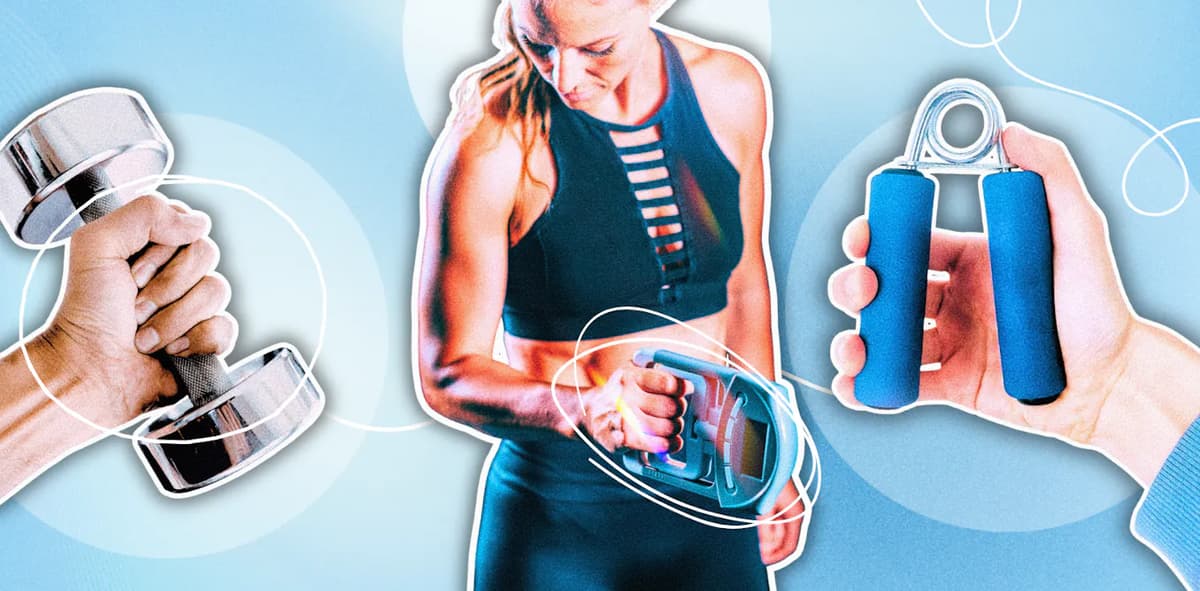
Recent research confirms that hand‑grip strength is a reliable proxy for overall health and can predict longevity, especially in older adults, but it is not a direct cause of longer life. Large‑scale UK studies found a 5 kg drop in grip...

From Lifespan to Cellspan: How Dsm-Firmenich Is Reframing Longevity Innovation
DSM‑Firmenich is pivoting from traditional condition‑based health claims to a cellular‑level longevity strategy, targeting four modifiable hallmarks of aging—chronic inflammation, gut microbiome, mitochondrial function, and cellular senescence. The company is developing ingredient blends that can influence these pathways and stresses...
Can Turmeric Improve Body Composition? Here’s What 20 Clinical Trials Reveal
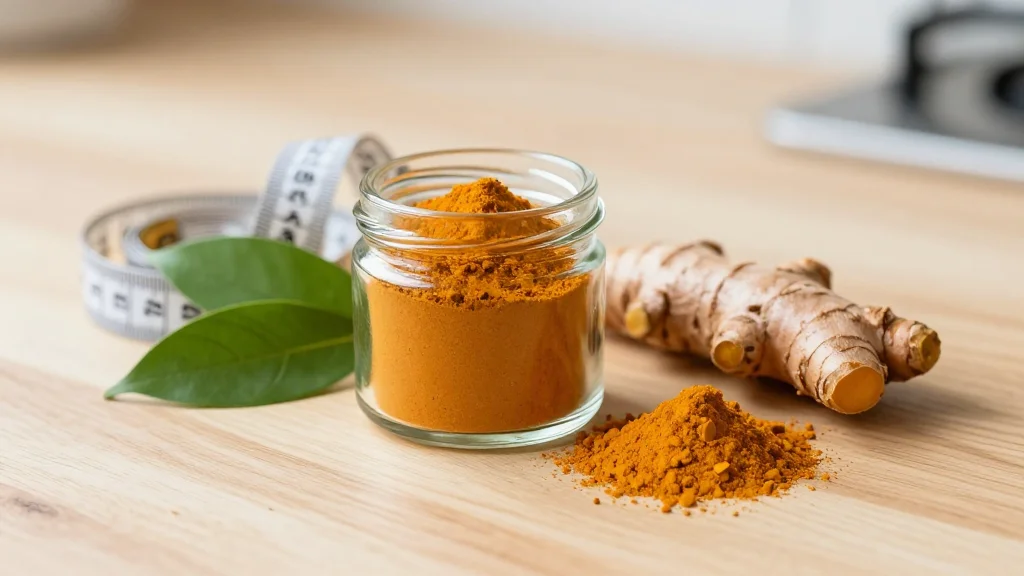
A new systematic review and meta‑analysis of 20 randomized controlled trials examined turmeric or curcumin supplements in people with prediabetes or type 2 diabetes. The pooled data show an average weight loss of about 2 kg (4.4 lb) and a 2–3 cm reduction in...

This Habit May Be One Of The Best Things You Can Do For Healthy Aging
A new 11‑year Australian study of 12,862 adults aged 70 and older found that regular social and cognitive activities—reading, listening to music, maintaining relationships, and community outings—slow the progression of frailty and lower the risk of becoming frail. Passive mental...

Could Giving up High-Sugar, High-Fat Diets Help Reverse Cognitive Damage?
A review of 27 rodent studies published in Nutritional Neuroscience finds that high‑sugar diets can cause lasting cognitive impairment that is only partially reversible. Switching to a healthier diet improves memory in animals previously fed high‑fat diets, but not in...
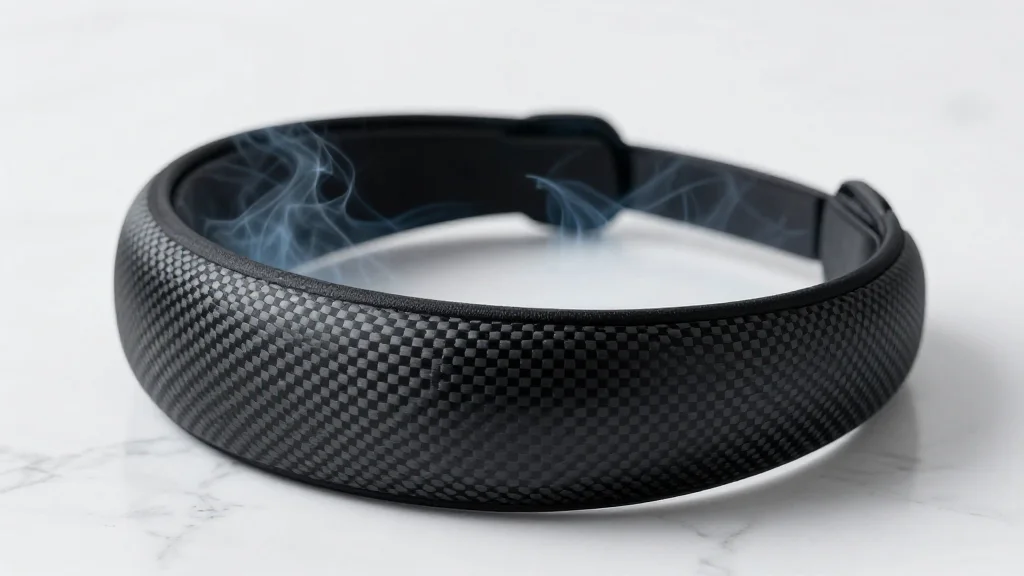
Linktop Launches Graphene-Based Cooling Headband
Chinese smart‑wearable maker Linktop has introduced the Lifestone Graphene Cooling Headband, a battery‑free wearable that leverages graphene’s high thermal conductivity to passively dissipate heat during intense exercise. The headband aims to lower core body temperature and heart rate, thereby extending...

Longevity Is the New Luxury: Inside the $100K Biohacking Lifestyle
A growing cadre of ultra‑wealthy entrepreneurs, athletes and CEOs are redefining luxury as the ability to extend healthy life, spending six‑figure sums on biohacking and longevity clinics. These clinics combine full‑body imaging, genetic analysis and continuous biomarker monitoring with elite‑athlete‑style...

Should You Use a Sleep Tracker?
Sleep‑tracking wearables have moved from niche gadgets to mainstream health tools, with roughly 50% of American adults and 40% of Britons now using a smartwatch, ring, or phone app to monitor sleep. Recent validation studies show most consumer devices can...

Epax’s Cetoleic Acid Supplement Shows Promise for Cardiovascular Health
Researchers at the University of Bergen found that an eight‑week regimen of Epax’s cetoleic acid concentrate (CECO) cut LDL‑cholesterol by 7% in 75 overweight or obese adults. The double‑blind trial gave participants 4 g of the herring‑oil derived supplement daily, matching...

A Better Algorithm for Predicting How Cells Behave
Altos Labs researchers unveiled PRiMeFlow, a flow‑based machine‑learning model that predicts how a cell’s gene‑expression profile will change after genetic or chemical perturbations. Unlike prior methods, PRiMeFlow operates directly in the high‑dimensional expression space instead of compressing data, and it...

Electrical Pulses Reverse Aging in Sea Squirts, Offering Clues for Extending Human Longevity
Scientists at Stanford have shown that brief electrical pulses can reverse aging markers in sea squirts, extending their laboratory lifespan from months to several years. The 15‑minute treatment triggers a rapid shutdown and rebound of gene expression, effectively rebooting stem‑cell...
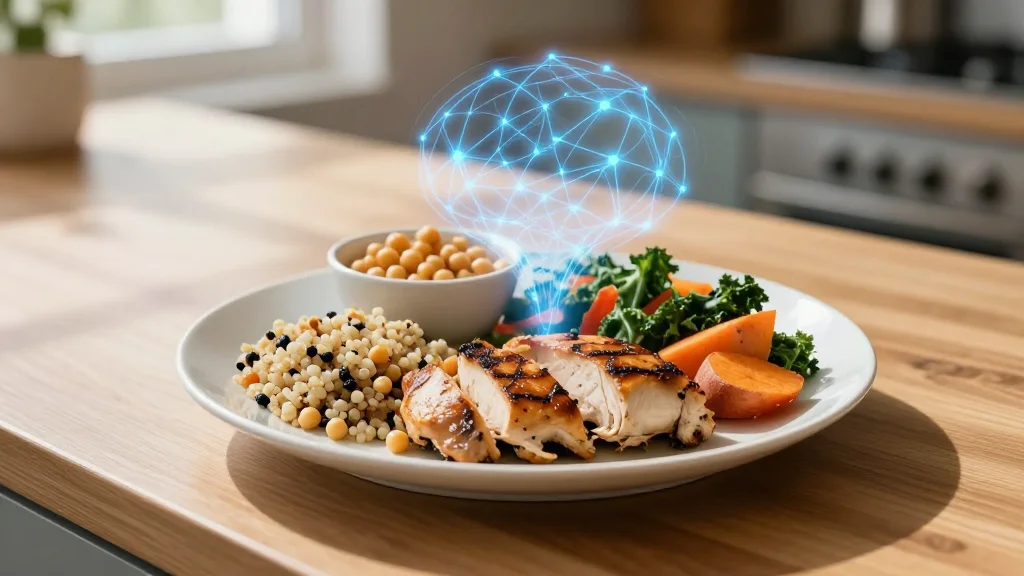
AI Suggests Simple Food Swaps to Make Meals Healthier and Cheaper
A University of California, Davis research team trained a generative AI model to suggest one to three ingredient swaps for everyday meals. Using 135,491 meals logged by 55,228 adults, the AI created alternatives that were 47% closer to USDA nutritional...

7-Day Water Fast Study Reveals What Really Happens to Your Body
A new study from Queen Mary University in London examined the molecular effects of a seven‑day water fast in 12 healthy volunteers, tracking roughly 3,000 circulating proteins. The researchers found that major protein changes, especially in extracellular matrix and brain‑related...
A One-Time Experimental Treatment Might Control Cholesterol for Life
Verve Therapeutics, an Eli Lilly subsidiary, reported early‑stage results for its one‑time gene therapy VERVE‑102, which edits the PCSK9 gene in liver cells. In a dose‑escalation study of 35 participants, LDL cholesterol fell between 9% and 62% after a single infusion,...

How Exercise Boosts Longevity, Prolongs the Health Span: Latest Evidence
Recent research underscores exercise as a critical lever for healthy aging. A PNAS study revealed that aerobic and resistance workouts trigger FOXO genes, counteracting DEAF1‑driven muscle decline. A six‑month trial with adults averaging 72 showed high‑intensity interval training (HIIT) uniquely...

How This Wearable AI Technology Is Helping NBA, NHL and Athletes Everywhere Prevent Injuries
Vancouver‑based Plantiga has rolled out an AI‑driven, in‑shoe sensor platform that records 400 biomechanical data points per second, giving athletes a granular view of stride, load and asymmetry. Colorado Avalanche captain Gabriel Landeskog used the system to monitor his post‑surgery knee,...
5 Ways To "Feed" Your Muscles Daily & Why It's Essential For Healthy Aging
Maintaining lean muscle mass is crucial for healthy aging, as low muscle mass raises fall risk and other health concerns. The article outlines five beginner-friendly strategies: regular strength training, consuming high‑quality protein (about 100 g daily), prioritizing 7‑9 hours of sleep,...
Tech Billionaires Used Performance Drugs in Secret. Now They’re Selling a Revolution.
Tech billionaire Christian Angermayer revealed a daily regimen of off‑label weight‑loss drugs, testosterone, growth hormones, oxytocin and stimulants to boost fat loss, cell regeneration, sociability and focus. His public disclosures highlight a hidden culture of performance‑enhancing drug use among Silicon...

Do This for 5 to 10 Minutes a Day to Improve Your Brain at Any Age, New Research Shows
A three‑year study by the University of Texas at Dallas tracked roughly 4,000 adults who spent five to ten minutes each day on targeted brain‑training exercises. Participants who completed the routine daily showed measurable gains on the Brain Health Index,...

Celebs and Influencers Tout N.A.D.+. But Is the Supplement Effective?
New research published in *Nature Metabolism* challenges the core premise of the booming NAD+ supplement market. An analysis of over 300 blood samples across seven datasets shows that NAD+ levels do not decline with age, contradicting long‑standing dogma. While supplementation...

Exercise May Help Wash Harmful Waste From The Brain (M)
Simple abdominal contractions, a form of low‑intensity exercise, have been shown to boost the brain's waste‑removal system, known as the glymphatic pathway. Researchers observed increased cerebrospinal fluid flow during brief core‑muscle engagements, suggesting a mechanical pump effect. The findings expand...

How House Design Can Curb Childhood Illnesses in Africa
Researchers in Tanzania tested 110 prototype "Star Homes" featuring screens, rainwater collection, and cement floors against traditional mud-and-thatch houses. Over a three‑year period, children in the Star Homes experienced 44% fewer malaria cases, 30% fewer diarrheal episodes, and 18% fewer...
Exercising in the Open Air Is the Best Ally to Combat Winter Vitamin D Deficiency, Study Says
A recent study published in Scientific Reports found that outdoor exercise during winter can raise vitamin D levels as effectively as daily supplements for runners, while non‑runners who supplemented achieved similar levels. The research, led by Eneko Fernandez of the Basque...
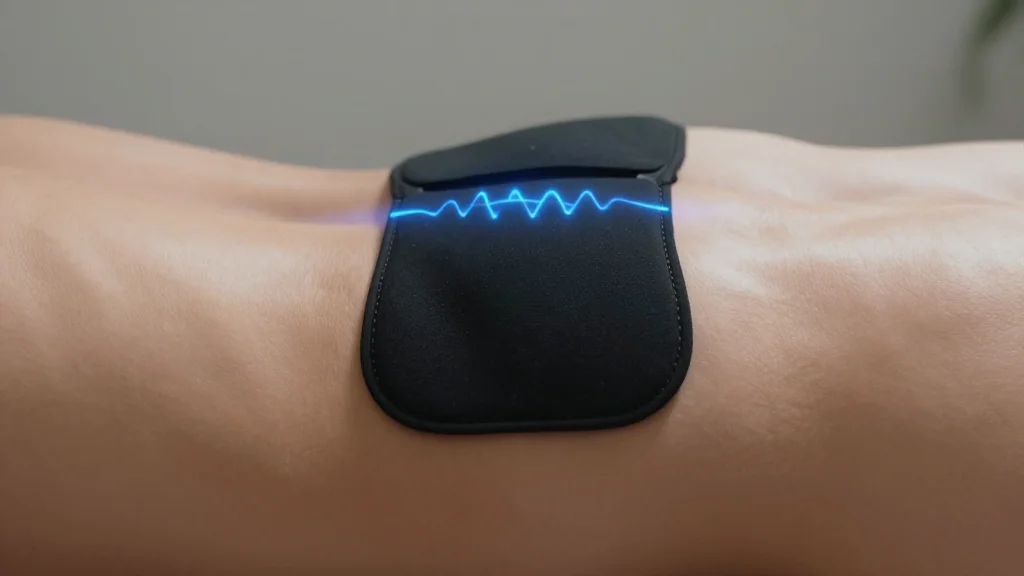
Spinal Stimulation Data Reveal Why High-Frequency Pulses May Miss Key Nerve Pathways
A joint study by FAU, the Medical University of Vienna and Washington University combined human electrophysiology with high‑resolution digital‑twin simulations to show that high‑frequency, ultrashort pulses in non‑invasive spinal cord stimulation fail to activate key somatosensory pathways, limiting therapeutic benefit....
Immunotherapy Before Surgery May Reduce Colon Cancer Recurrence
A phase II NEOPRISM‑CRC trial at University College London gave 9 weeks of pembrolizumab before surgery to 32 stage 2‑3 colorectal cancer patients with MMR‑deficient/MSI‑high tumors. Fifty‑nine percent achieved no detectable cancer after treatment, and after a median 33‑month follow‑up none experienced recurrence,...
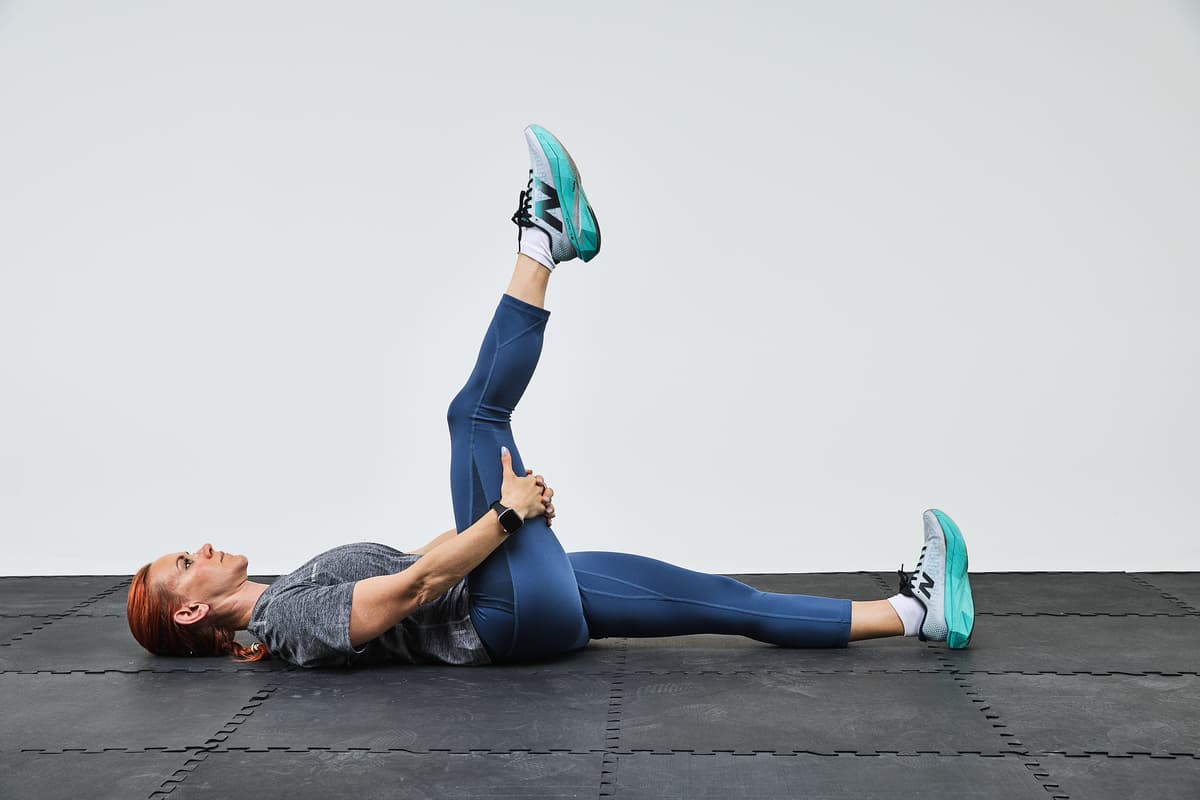
3 Nerve-Flossing Moves to Help Runners Ease Common Pain Points
Nerve flossing, also known as nerve gliding or neurodynamic techniques, is gaining popularity among runners as a way to improve nerve mobility and alleviate pain from sciatic, tibial and peroneal entrapments. Physical therapists describe the method as gentle, repetitive movements—either...
This 2-Nutrient Combo Can Support Mitochondrial & Muscle Health
A recent review of glycine and N‑acetylcysteine (NAC) supplementation finds the duo can boost glutathione production, reduce oxidative damage, and improve mitochondrial function. Across human and animal studies the combination showed modest gains in muscle strength, insulin sensitivity, and even...
New Research Says the Standard 150 Minutes of Exercise Per Week May Not Be Enough to Substantially Improve Heart Health
A new British Journal of Sports Medicine study of 17,088 UK Biobank participants suggests the standard 150 minutes of moderate exercise per week is only a minimal threshold for heart health. To achieve a substantial (over 30%) reduction in cardiovascular...

How to Boost Your Longevity Hormone
FGF21, discovered in 2000, has emerged as a potent metabolic hormone that can slash body fat in monkeys by 27% and extend mouse lifespan by up to 40% without reducing food intake. Pharmaceutical firms are racing to create long‑acting FGF21...

What 5 Minutes in Ice Water Does to Your Brain
Andrew Cotton and breathwork coach Blakey led Red Bull athletes through a two‑day cold‑water immersion in a 4 °C Austrian lake, testing whether participants could stay five minutes under the ice. The protocol combined systematic desensitization with paced breathing, aiming to...

Tips To Unlock Your Rapid Recovery Reflex, From Dr. Victoria Maizes
Dr. Victoria Maizes, founding director of the Andrew Weil Center for Integrative Medicine, released her new book *Heal Faster: Unlock Your Body’s Rapid Recovery Reflex*. The work argues that healing is an active, dynamic process that patients can accelerate by...

Simple Field-Based Muscular Strength Tests that Predict Your Future Health
A new systematic review and meta‑analysis of 155 cohort studies confirms that two simple field‑based strength tests – handgrip strength and the 5‑repetition chair‑stand – reliably predict a wide range of future health outcomes. Adults in the highest grip‑strength quartile...

John Cena Said He's Training to Lift Weights Into His 80s and Beyond. Here Are 3 Longevity Lessons From the...
Retired WWE legend John Cena, now 49, is re‑engineering his fitness regimen to stay active into his 80s. He emphasizes mobility work, regular rest days, and a balanced mix of cardio and strength training, moving away from the heavy‑lifting grind...

This Type of Training Could Be the Secret to Running Faster Without Burning Out—And It Can Lead to a PR...
Critical velocity (CV) training targets the fastest pace a runner can sustain for 30–35 minutes, roughly 4‑5% faster than lactate‑threshold effort. By operating just below the point where fatigue‑related by‑products overwhelm the body, CV improves lactate threshold, VO₂ max and running...
This Simple Strategy Can Help You Eat Healthier When Stress Hits, Dietitians Say
A recent study in the journal Psychoneuroendocrinology examined how stress influences food choices among 29 college students. Participants faced paired food options and either a neutral warm‑water task or a stress‑inducing cold‑water and mental‑math challenge, followed by a precommitment phase...

Make Your Brain Age In Reverse With This Nutrient (& Women Benefit Even More)
A recent study links higher dietary magnesium to healthier brain aging, showing larger hippocampal volumes and fewer white‑matter lesions. Participants consuming at least 550 mg of magnesium daily had brain volumes equivalent to being one year younger than those with typical...
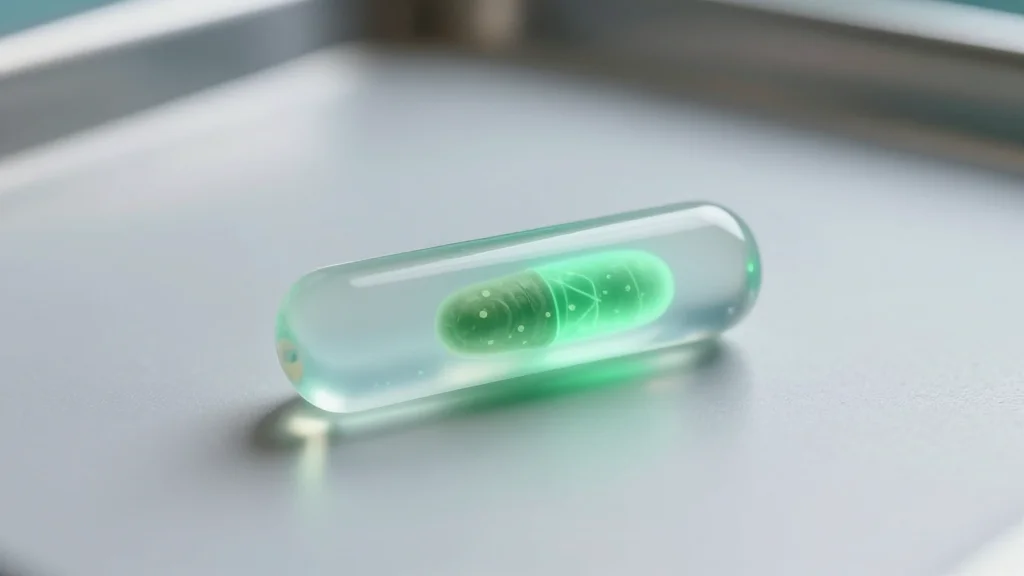
Implantable Bacteria Can Now Be Safely Contained, Clearing a Major Hurdle for Fighting Infection and Cancer
Harvard researchers have engineered a polyvinyl alcohol (PVA) hydrogel scaffold that securely contains therapeutic bacteria for up to six months, preventing escape while allowing drug‑release functions. The scaffold’s stiffness and toughness give it a ten‑fold higher fatigue threshold than prior...

Beetroot’s Endurance Benefits: New Study Shines Light on Mechanism of Action
A pilot study published in Nutrients found that a seven‑day regimen of Nobeet, a beetroot‑based nitrate supplement, boosted nitric oxide metabolites (NOx) in plasma and urine by 155%. The trial, involving ten male triathletes aged around 48, also showed rises...

Rebooting Stem Cells Builds Aged Muscles and Assists Injury Recovery
Researchers at Duke University have demonstrated that extracting, rejuvenating, and re‑implanting muscle stem cells in old mice leads to larger muscle fibers and faster injury repair. The ex‑vivo “reboot” restores stem‑cell function to levels seen in young animals. These results...

Can We Stop A Heart Attack? How Longevity Care May Rewrite Prevention
A new wave of longevity medicine is using advanced imaging—such as coronary calcium scans and CT angiograms—to detect heart disease far earlier than traditional risk calculators allow. The approach, championed by physicians like Dr. Jeffrey Chen of Peak Health, combines...

Vitamin B12: The Essential Nutrient with a Complicated Cancer Link
Vitamin B12 is essential for red‑blood‑cell formation, nerve health and DNA repair, but recent research shows a nuanced relationship with cancer. A 2025 Vietnamese case‑control study identified a U‑shaped curve, where both low and high B12 intakes were linked to...

Are You Exercising at the Wrong Time? How Your Body Clock Can Affect Your Workouts
Recent research shows that timing exercise to match an individual’s chronotype—whether a morning or evening person—can amplify health benefits. A randomized controlled trial with cardiovascular‑risk participants found that chronotype‑aligned workouts produced greater improvements in blood pressure, aerobic fitness, glucose, cholesterol...
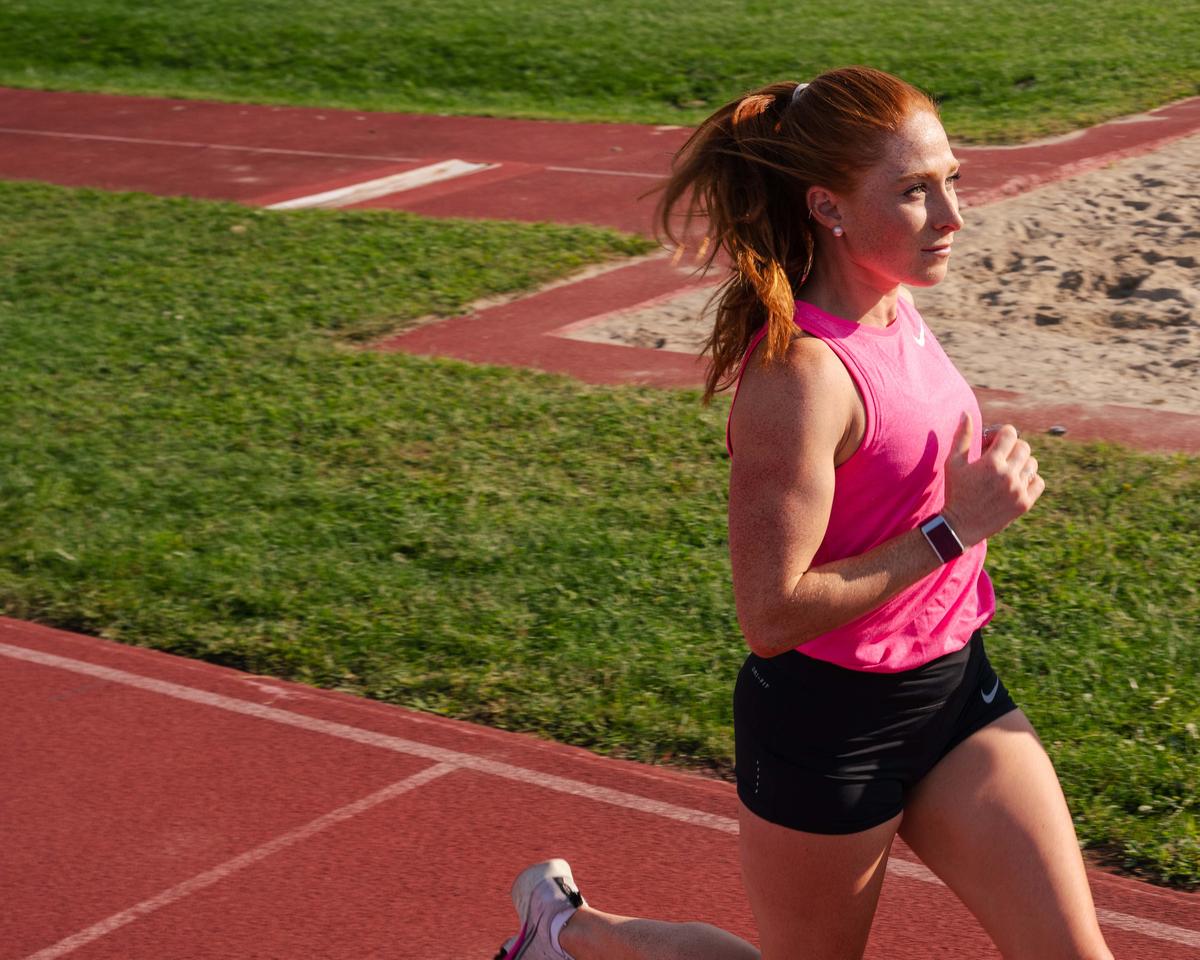
The One Workout You Need to Boost Speed Endurance
Runner coach Brian Rosetti highlights cruise‑intervals—1‑kilometer repeats at threshold pace with brief jog recoveries—as the go‑to workout for boosting speed endurance. By inserting short rests, athletes can accumulate more threshold volume than a straight 20‑minute effort while staying comfortably hard....
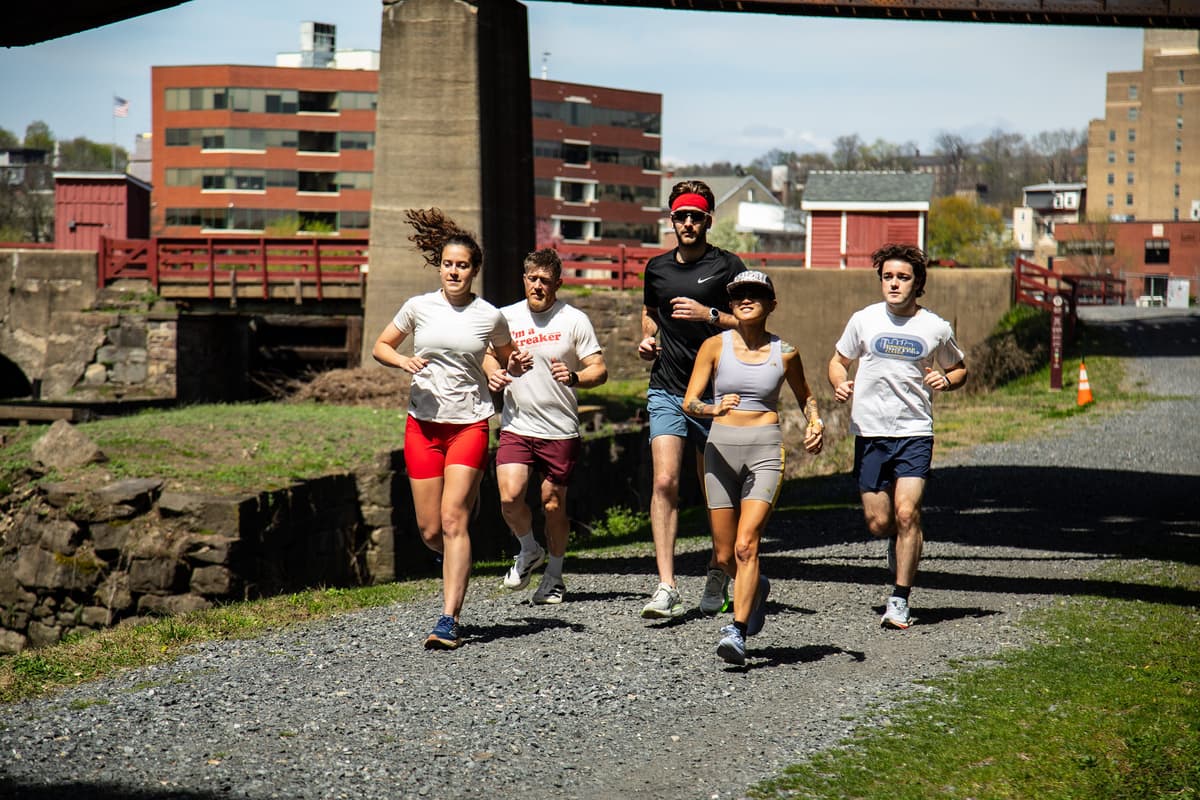
The Benefits of Shakeout Runs
A shakeout run—an easy‑pace jog a day or two before a marathon—helps runners activate blood flow, neuromuscular pathways, and mental focus. Experts like NASM trainer Emily Booth stress that low‑intensity effort (RPE 3, heart‑rate zone 1‑2) primes muscles without depleting...