Skip the Car? Active Commuting and Coronary Atherosclerosis
Why It Matters
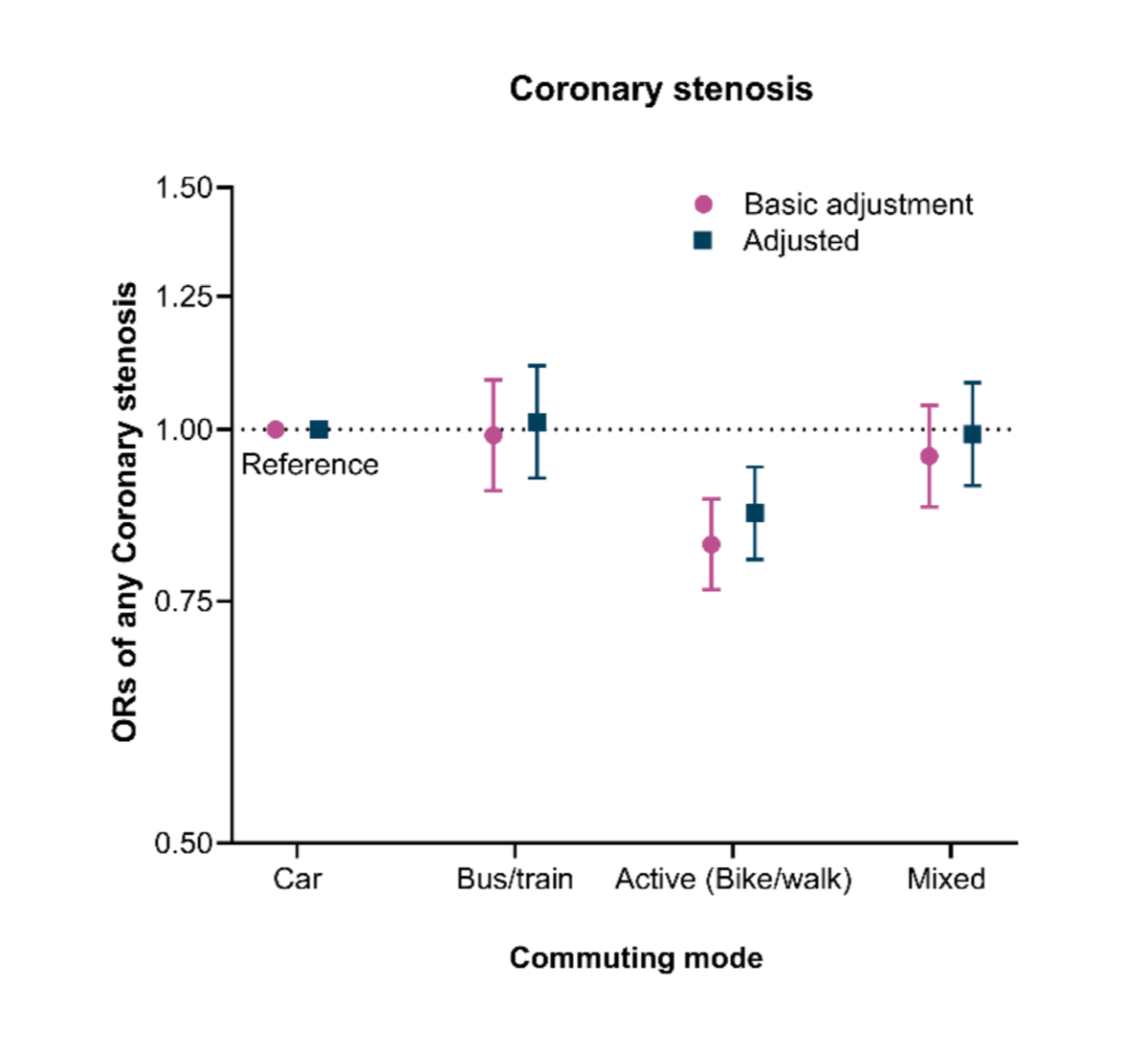
Active commuting offers a scalable, everyday intervention that can blunt the development of coronary atherosclerosis, the primary substrate of heart attacks. This evidence strengthens public‑health arguments for infrastructure and policies that promote walking and cycling to work.
Key Takeaways
- •Active walking or cycling linked to reduced coronary stenosis
- •Cycling showed stronger association than walking
- •No independent link found between commuting mode and carotid plaques
- •Better cardiovascular health metrics mediated much of the benefit
- •Findings support active commuting as realistic heart‑health strategy
Pulse Analysis
Cardiovascular disease remains the world’s leading cause of death, and atherosclerosis is the underlying lesion that precipitates most heart attacks. While clinicians routinely prescribe structured exercise, many adults struggle to meet guidelines. Active commuting—walking or cycling to work—has emerged as a pragmatic way to embed physical activity into daily routines, and prior epidemiologic work linked it to lower mortality. However, direct evidence tying this habit to the actual burden of coronary plaque was missing until the recent SCAPIS analysis, which leveraged coronary computed tomography angiography (CCTA) to visualize both calcified and non‑calcified lesions in a large, population‑based cohort.
The SCAPIS investigators recruited over 23,000 Swedish adults aged 50‑64 and classified commuting mode via self‑report. Using CCTA, they quantified coronary stenosis across 18 segments and measured calcium scores, while carotid ultrasound assessed plaque elsewhere. Multivariable models controlled for age, sex, education, occupational activity, leisure‑time exercise, diet, sleep and smoking, isolating the effect of commuting mode. Results showed that active commuters had significantly fewer coronary stenoses and lower calcium scores, with cycling conferring a marginally greater benefit than walking. Notably, the relationship did not extend to carotid plaques after full adjustment, hinting at artery‑specific mechanisms.
These findings have immediate relevance for clinicians, urban planners and policymakers. For physicians, recommending walking or cycling to work can complement traditional exercise prescriptions, especially for patients constrained by time. For cities, the data provide a health‑economic rationale to invest in safe bike lanes and pedestrian pathways, potentially reducing future cardiovascular events and associated costs. Although the cross‑sectional design precludes definitive causality, the mediation by improved blood pressure, lipid profiles, BMI and diabetes prevalence underscores a biologically plausible pathway. As societies grapple with rising heart disease, integrating active commuting into public‑health strategies could deliver measurable gains in coronary health without requiring extra workout time.
Skip the car? Active commuting and coronary atherosclerosis
Comments
Want to join the conversation?
Loading comments...