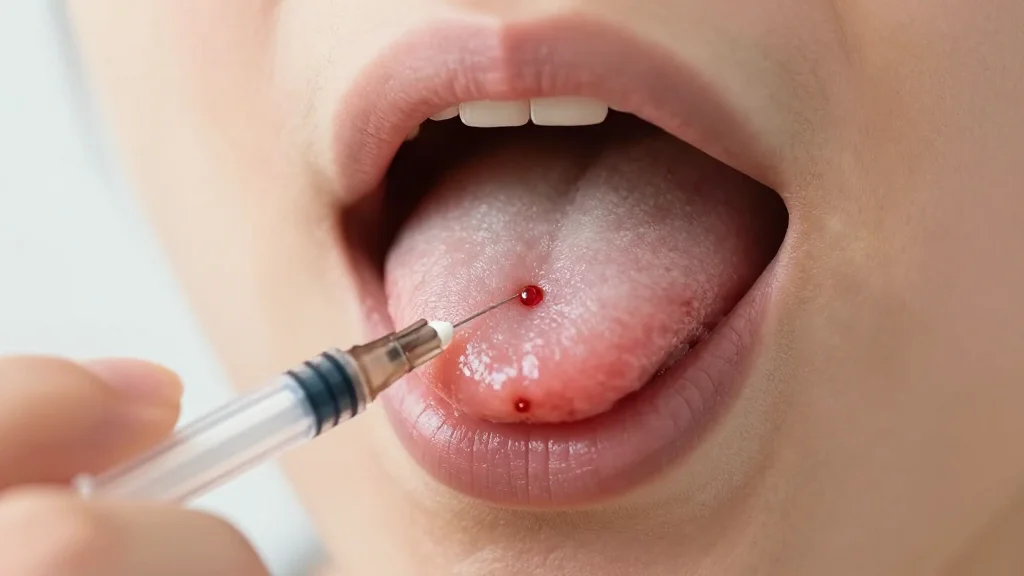
Intralesional Nivolumab May Be Effective Against Precancerous Oral Lesions, Phase I Trial Results Indicate
Why It Matters
Intralesional nivolumab offers a potentially curative, low‑toxicity alternative to surgery for oral premalignancies, preserving function and reducing healthcare costs. Its success may herald a new class of localized immunotherapies for diverse precancerous conditions.
Key Takeaways
- •Intralesional nivolumab achieved 85% clinical response in Phase I oral trial.
- •Average lesion size shrank 60%; 41% showed histologic downgrading.
- •No dose‑limiting toxicities; systemic exposure tenfold lower than IV.
- •Surgery avoided in majority; quality‑of‑life scores improved post‑treatment.
- •Local immune activation observed only in injected lesions, not elsewhere.
Pulse Analysis
Oral premalignant lesions affect roughly 5% of adults and carry a variable risk of progressing to squamous cell carcinoma. Traditional management relies on repeated surgical excision, which can impair speech, swallowing, and overall quality of life, especially when multiple lesions recur. The high morbidity of these procedures has spurred interest in non‑surgical interventions, yet systemic immunotherapies like nivolumab have been limited by severe adverse events unsuitable for patients without invasive cancer. By delivering the checkpoint inhibitor directly into the lesion, clinicians aim to concentrate immune activation where it matters while sparing the rest of the body.
The MD Anderson Phase I study enrolled 29 patients with high‑ or low‑grade dysplasia and administered 10 mg or 20 mg of intralesional nivolumab every three weeks. After a median 14.5‑month follow‑up, 85% of participants experienced measurable lesion shrinkage, with an average reduction of 60% and nearly half achieving histologic downgrading. Importantly, systemic drug concentrations remained tenfold lower than conventional IV dosing, and no dose‑limiting toxicities emerged; the most common side effects were mild fatigue, rash, and transient injection‑site reactions. Immune profiling revealed robust CD4⁺ and CD8⁺ T‑cell infiltration confined to treated sites, confirming localized immune activation without off‑target effects.
If larger, randomized trials validate these findings, intralesional checkpoint blockade could reshape the preventive oncology landscape. The strategy may extend to other precursor lesions—such as actinic keratoses, cervical intraepithelial neoplasia, or colorectal adenomas—offering a targeted, organ‑preserving alternative to surgery. From a commercial perspective, a localized formulation of an already approved drug could accelerate regulatory pathways and reduce development costs, while delivering a compelling value proposition to clinicians seeking to minimize patient morbidity and healthcare expenditures. Confidence in this emerging paradigm is growing, positioning local immunotherapy as a frontier for cancer interception.
Intralesional nivolumab may be effective against precancerous oral lesions, Phase I trial results indicate
Comments
Want to join the conversation?
Loading comments...