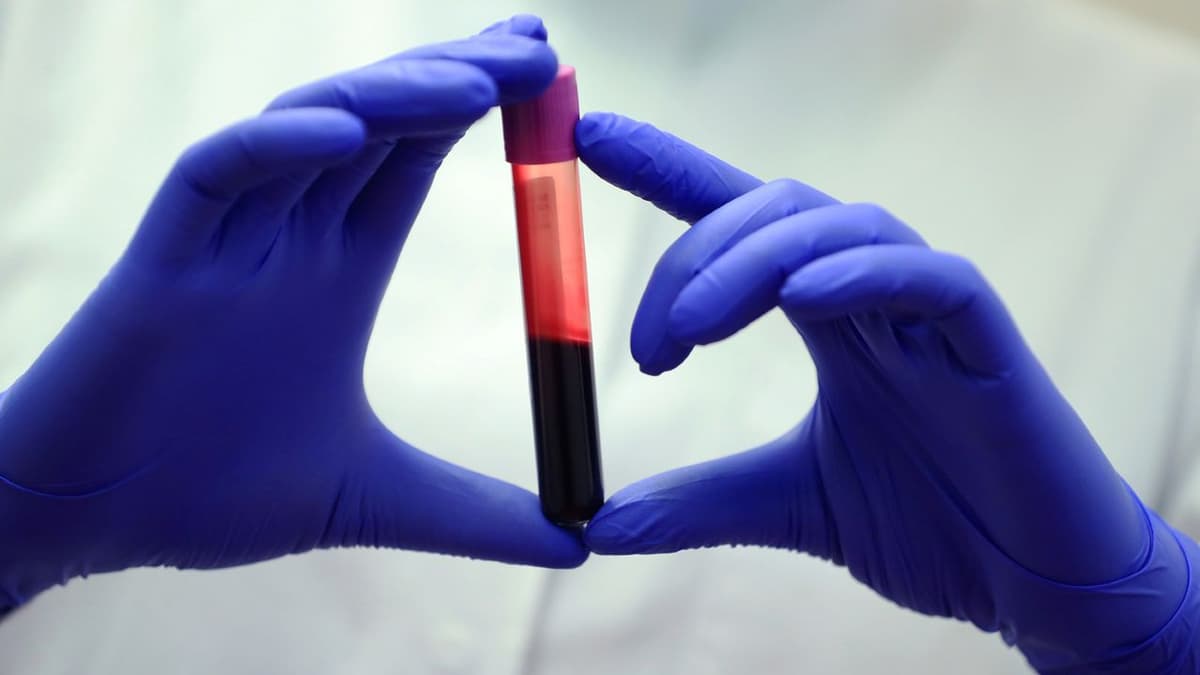
New Blood Test Aims to Spot Liver Scarring Before It Paves the Way to Cancer
Why It Matters
Early detection of liver fibrosis enables interventions that can reverse damage, reducing future liver‑cancer incidence and associated healthcare costs. A reliable, non‑invasive screen could transform how clinicians identify at‑risk patients and streamline preventive care.
Key Takeaways
- •Test detects 50% early-stage liver fibrosis via cfDNA patterns
- •Advanced disease detection rises to 78% with machine‑learning model
- •Specificity reaches 83%, limiting false positives among healthy individuals
- •Early fibrosis is reversible, unlike irreversible cirrhosis
- •Potential non‑invasive screening could flag multiple diseases from one blood draw
Pulse Analysis
Liver disease remains a silent epidemic in the United States, with an estimated 4.5 million adults harboring undiagnosed fibrosis. Conventional tools such as the FIB‑4 score rely on liver enzymes and platelet counts, often missing the subtle genomic signals that precede overt scarring. The new blood test leverages cell‑free DNA fragmentomics—a technique that captures millions of DNA snippets shed by dying cells—to spot genome‑wide patterns indicative of early fibrosis. By integrating these signals into a machine‑learning algorithm, researchers have achieved a detection rate that surpasses traditional biomarkers, offering a glimpse into a more precise diagnostic frontier.
The study’s performance metrics are promising: a 50% sensitivity for early‑stage fibrosis, 78% for advanced disease, and an 83% specificity that curtails false alarms. While the false‑positive rate of 17% warrants refinement, the approach demonstrates how big‑data analytics can translate molecular noise into actionable clinical insight. Validation in larger, diverse cohorts will be essential to confirm reproducibility and to calibrate thresholds for routine use. If successful, the assay could be incorporated into annual health panels, enabling physicians to prescribe antifibrotic therapies or lifestyle interventions before irreversible cirrhosis sets in.
Beyond liver health, the technology signals a broader shift toward multiplexed, non‑invasive screening. A single blood draw could simultaneously assess risk for multiple organ systems, streamlining preventive care and reducing reliance on costly imaging. Pharmaceutical firms may see new market opportunities for early‑intervention drugs, while insurers could lower long‑term expenditures by averting advanced disease. As the healthcare ecosystem embraces precision diagnostics, this cfDNA‑based test positions itself at the nexus of genomics, AI, and population health, promising to reshape disease management across the board.
New blood test aims to spot liver scarring before it paves the way to cancer
Comments
Want to join the conversation?
Loading comments...