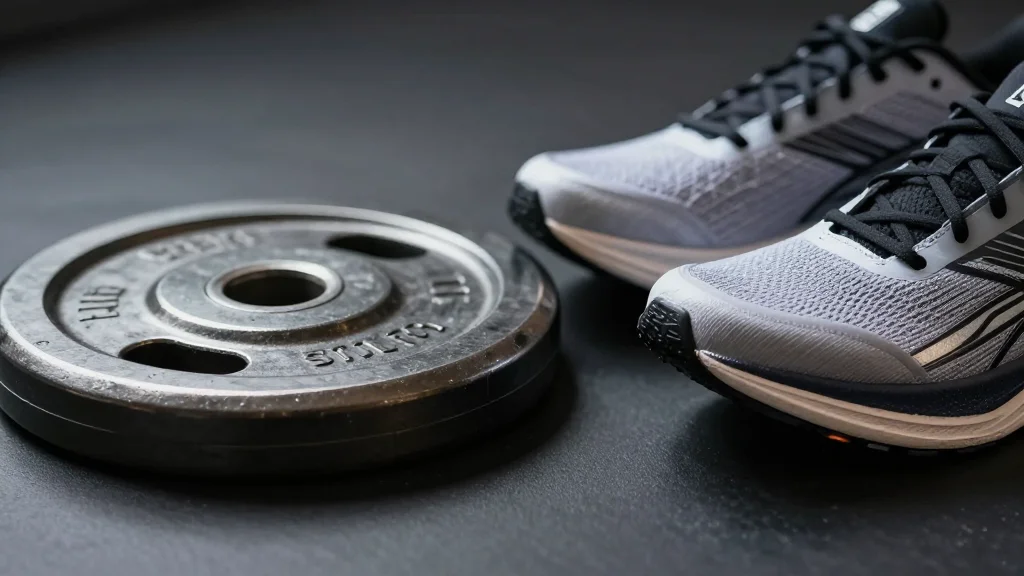
From 920lb Deadlifts to Marathons: 5 Lessons on Extreme Performance and Resilience
Why It Matters
Rubish’s journey illustrates the health‑risk trade‑offs elite athletes face when they abandon PEDs and must redefine performance, offering a cautionary blueprint for the broader fitness industry.
Key Takeaways
- •Former 920‑lb deadlifter now runs sub‑3:05 marathon
- •Post‑PED phase triggered heightened health anxiety and ER visit
- •24 mm kidney stone required two surgeries and a foot‑long stent
- •AI‑interpreted angiogram showed zero arterial plaque despite high Lp(a)
- •Embraces “minimum effective dose” training to preserve longevity
Pulse Analysis
The transition from powerlifting glory to marathon endurance is more than a change in mileage; it reflects a deeper identity overhaul that many high‑performers confront as they age. Pete Rubish’s post‑PED era exposed a stark contrast between the invincibility mindset of his 20s and the hyper‑vigilance of his 30s, where even a single energy drink can trigger an emergency‑room visit. This heightened health anxiety is a common, yet under‑discussed, byproduct of leaving performance‑enhancing substances, prompting athletes to reassess risk tolerance and prioritize preventive care.
Rubish’s medical saga offers a compelling case study for sports medicine. A 24 mm calcium‑oxalate kidney stone forced two surgeries and a foot‑long stent, yet he continued training, illustrating how stoic endurance can mask serious pathology. More strikingly, an AI‑driven angiogram showed a pristine aorta despite a Lipoprotein(a) level of 260 mg/dL—well above the 50 mg/dL risk threshold. This paradox underscores the limits of traditional biomarkers and the need for nuanced, individualized health monitoring for former strength athletes whose bodies have endured extreme stress.
In response, Rubish adopted a “minimum effective dose” philosophy, swapping six‑hour powerlifting sessions for concise, joint‑friendly movements like Bulgarian split squats, farmer’s carries, and banded push‑ups. The shift emphasizes functional strength, cardiovascular efficiency, and longevity, resonating with a growing segment of the fitness market that values sustainable performance over maximal lifts. For coaches and athletes alike, Rubish’s story serves as a roadmap: prioritize health data, respect bodily warning signs, and redesign training to align with evolving life goals, ensuring that peak performance endures beyond the prime years.
From 920lb Deadlifts to Marathons: 5 Lessons on Extreme Performance and Resilience
Comments
Want to join the conversation?
Loading comments...