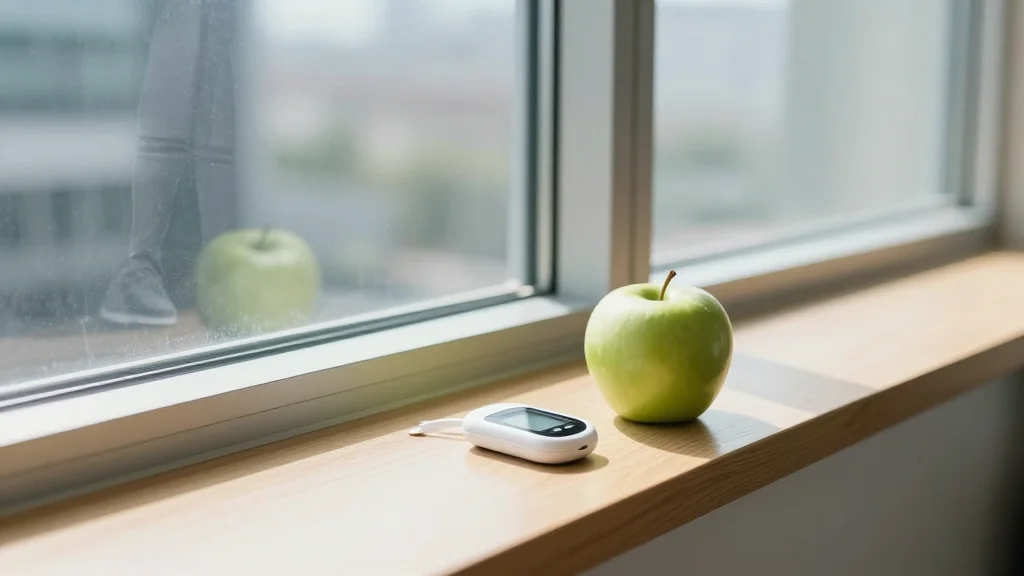
The Easiest Blood Sugar Upgrade You Can Make During The Workday
Why It Matters
By linking everyday light exposure to measurable glucose control, the research highlights a non‑pharmacologic lever that employers and patients can use to reduce diabetes complications and healthcare costs. It underscores the economic value of designing workspaces that support circadian health.
Key Takeaways
- •Daylight exposure increased time-in-range for glucose in type 2 diabetics
- •Participants burned more fat and relied less on carbs under natural light
- •Muscle clock genes aligned better, enhancing insulin sensitivity
- •Study used crossover design, each subject served as own control
- •Simple workplace changes like desk placement can improve metabolic health
Pulse Analysis
The relationship between light and metabolism has long been hinted at by circadian‑rhythm research, but concrete evidence for blood‑glucose outcomes remained scarce. Natural daylight serves as a powerful zeitgeber, resetting the internal clock that governs hormone release, digestion, and insulin sensitivity. When the body’s timing aligns with the external environment, metabolic processes run more efficiently, reducing the risk of glucose spikes that accelerate vascular damage in type 2 diabetes.
In the recent Cell Metabolism experiment, 13 adults with type 2 diabetes completed two 4.5‑day office stints: one under abundant window light and another under conventional fluorescent fixtures. Continuous glucose monitors revealed that while average glucose levels were similar, the daylight scenario produced a higher proportion of readings within the target range, indicating smoother glucose trajectories. Metabolically, participants shifted toward greater fat oxidation and displayed up‑regulated clock‑related genes in skeletal muscle, suggesting that light can directly influence cellular energy pathways and insulin responsiveness.
For businesses, the findings translate into actionable workplace design strategies. Positioning desks near windows, encouraging brief outdoor breaks, and dimming artificial lighting in the evening can reinforce circadian cues without costly interventions. As employers grapple with rising health‑care expenses linked to chronic disease, integrating natural light into office architecture offers a scalable, evidence‑based method to support employee wellness and productivity. Future large‑scale trials will be needed, but the current data already make a compelling case for rethinking office lighting as a metabolic health asset.
The Easiest Blood Sugar Upgrade You Can Make During The Workday
Comments
Want to join the conversation?
Loading comments...