Can Bicycling Help You Become a SuperAger?
Why It Matters
Understanding the lifestyle correlates of SuperAging informs public‑health strategies aimed at reducing dementia risk and extending productive longevity, a growing priority for aging societies and the healthcare market.
Key Takeaways
- •SuperAgers show better white‑matter microstructure than typical older adults
- •Cyclists 80+ report stronger social ties and higher psychological well‑being
- •Mobility, balance, and regular activity correlate with preserved memory
- •Positive outlook and resilience are common among older cyclists
- •No single factor proven; combination of activity and social engagement matters
Pulse Analysis
Recent neuroscience research has sharpened the focus on white‑matter health as a biomarker of cognitive resilience in people over 80. The 2024 Journal of Neuroscience paper demonstrated that SuperAgers—individuals whose memory functions resemble those of middle‑aged adults—possess denser, more efficient white‑matter pathways. This structural advantage facilitates faster signal transmission across brain regions responsible for attention, learning, and executive function, offering a plausible neural substrate for their superior cognition. While genetics undoubtedly play a role, the emerging consensus is that lifestyle factors can modulate white‑matter integrity, opening a window for preventive interventions.
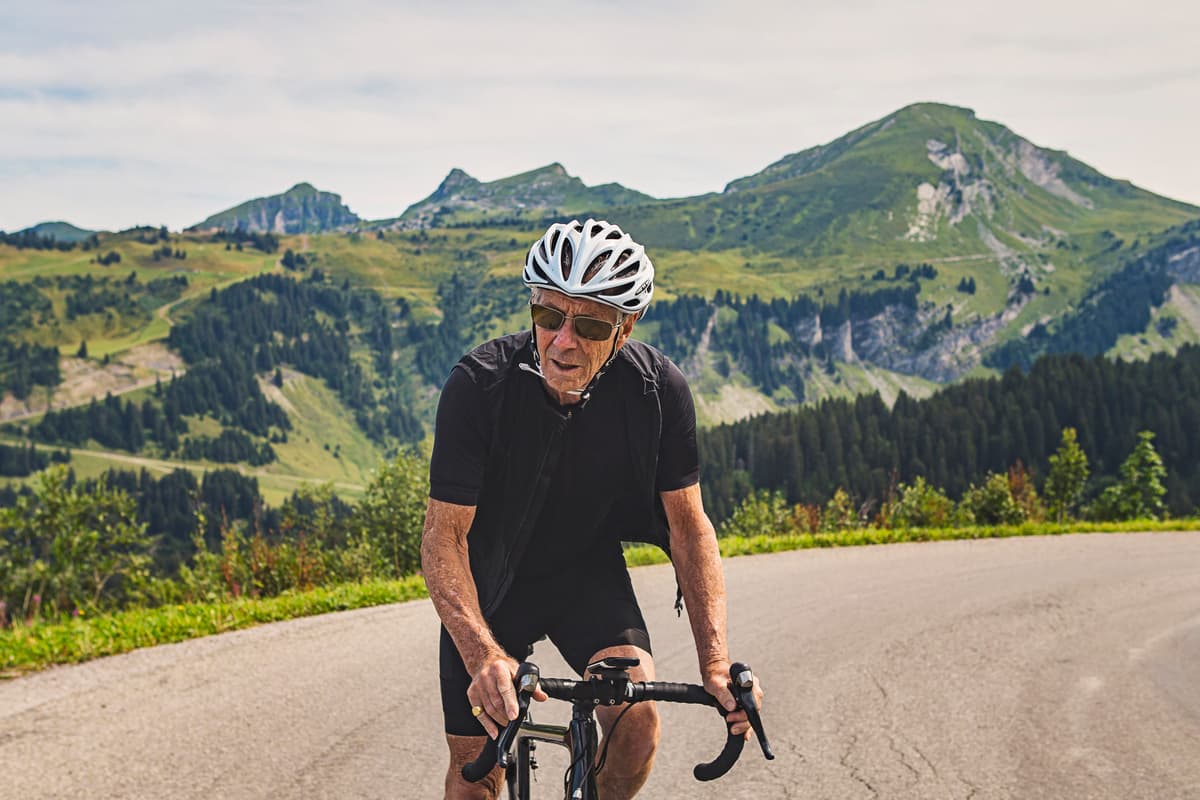
One of the most compelling lifestyle correlates is regular cycling, as illustrated by a cohort of octogenarian cyclists featured in Bicycling magazine. These riders not only maintain high levels of mobility and balance but also cultivate deep social networks through group rides and indoor‑cycling classes. Research consistently links strong friendships to lower rates of depression and reduced mortality from cardiovascular disease and cancer, suggesting that the psychosocial benefits of group cycling may amplify its physical advantages. Moreover, the rhythmic, low‑impact nature of cycling supports cardiovascular health, which in turn protects cerebral vasculature and white‑matter health.
For policymakers and health‑tech investors, the convergence of neuroscience and real‑world activity data signals a market opportunity. Wearable sensors that monitor gait, balance, and heart rate could be paired with cognitive assessments to identify early white‑matter decline, prompting targeted exercise prescriptions. Companies developing community‑based cycling programs for seniors stand to benefit from a growing demand for evidence‑based, socially engaging wellness solutions that not only extend lifespan but also preserve the quality of those added years.
Can Bicycling Help You Become a SuperAger?
Comments
Want to join the conversation?
Loading comments...