The Best Brain Foods for Better Memory and Function
Why It Matters
Dietary choices are a low‑cost, scalable lever to reduce dementia risk and preserve cognitive performance, a priority for an aging U.S. population and the healthcare system.
Key Takeaways
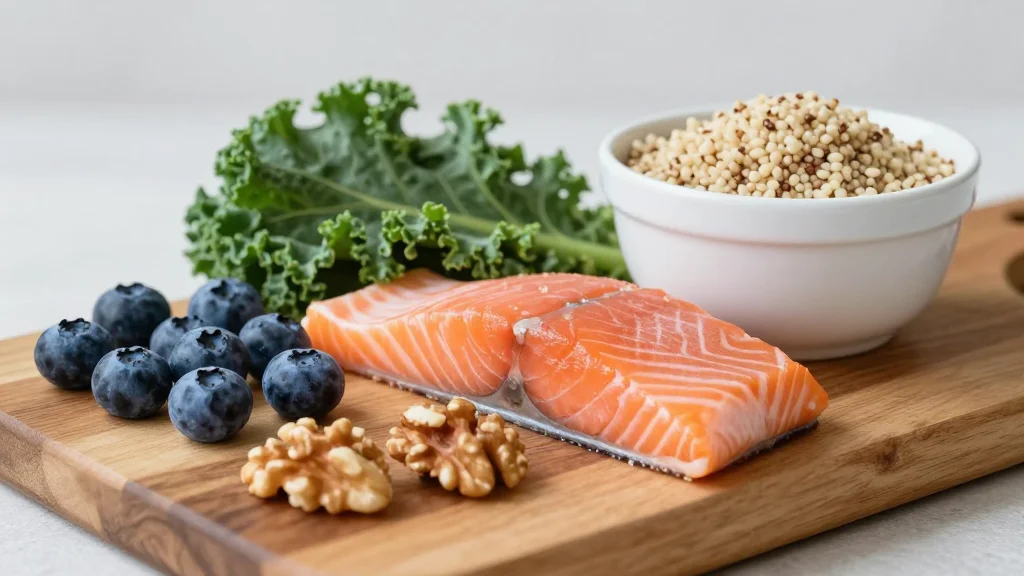
- •Omega‑3‑rich fish like salmon support memory and slow degeneration
- •Berries’ anthocyanins improve neuroprotection and cognitive performance
- •Whole grains stabilize blood sugar, reducing inflammation for brain health
- •Leafy greens supply vitamin K and lutein, linked to younger‑appearing brains
- •Mediterranean and MIND diets combine top brain foods to curb dementia risk
Pulse Analysis
The link between nutrition and brain health has moved from anecdote to mainstream science, with recent studies estimating that roughly 40% of dementia cases are tied to lifestyle factors, especially diet. As the U.S. population ages, policymakers and insurers are watching these findings closely because dietary interventions offer a cost‑effective strategy to curb the projected rise in Alzheimer’s‑related care costs. By emphasizing foods that deliver omega‑3 fatty acids, antioxidants, and low‑glycemic carbohydrates, individuals can address the underlying inflammation and oxidative stress that accelerate neural decline.
Omega‑3‑rich fish such as salmon and sardines provide EPA and DHA, essential for synaptic plasticity and memory consolidation. Berries, loaded with anthocyanins, have been shown to cross the blood‑brain barrier and mitigate oxidative damage, while whole grains release glucose gradually, preventing spikes that can impair neuronal signaling. Leafy greens contribute vitamin K, lutein, and folate, nutrients associated with a brain that functions up to a decade younger. Walnuts add alpha‑linolenic acid and polyphenols, further dampening inflammation. Even everyday staples like extra‑virgin olive oil, coffee, green tea, and dark chocolate contribute bioactive compounds that support cognition.
The Mediterranean and MIND diets synthesize these individual benefits into structured eating patterns, emphasizing fish, nuts, fruits, vegetables, and healthy fats while limiting red meat, processed foods, and added sugars. Research shows adherence to these diets correlates with slower gray‑matter atrophy and reduced dementia mortality. For busy professionals, incremental swaps—such as replacing white bread with whole‑grain alternatives or adding a handful of berries to breakfast—can yield measurable brain health gains without overhauling the entire menu. As evidence accumulates, nutrition is poised to become a cornerstone of preventive neurology, offering both individual and societal returns on investment.
The Best Brain Foods for Better Memory and Function
Comments
Want to join the conversation?
Loading comments...