Novel Diabetic Wound Treatment Turns Cells Into Manufacturers
Why It Matters
Eliminating live donor cells reduces rejection risk and production inconsistency, potentially improving healing outcomes and lowering amputation rates for millions of diabetic patients. The technology also opens a path to mass‑manufactured, cost‑effective wound dressings.
Key Takeaways
- •New dressing uses cell‑derived extracellular matrix without live cells
- •Removes cells via detergent, reducing immune rejection risk
- •Scalable bioreactor production promises uniform, unlimited material supply
- •Addresses limitations of pig and cadaver skin grafts
- •Potential to lower amputation rates for diabetic foot ulcers
Pulse Analysis
Diabetic foot ulcers affect over 40 million Americans and remain a leading cause of non‑traumatic amputations. Conventional grafts—derived from porcine skin or processed cadaver tissue—suffer from immune incompatibility, pathogen transmission concerns, and donor scarcity, leading to inconsistent healing and scarring. Clinicians and insurers alike seek solutions that can reliably restore vascularized tissue while minimizing complications, a need that has driven research into biologically active dressings capable of integrating with the patient’s own regenerative processes.
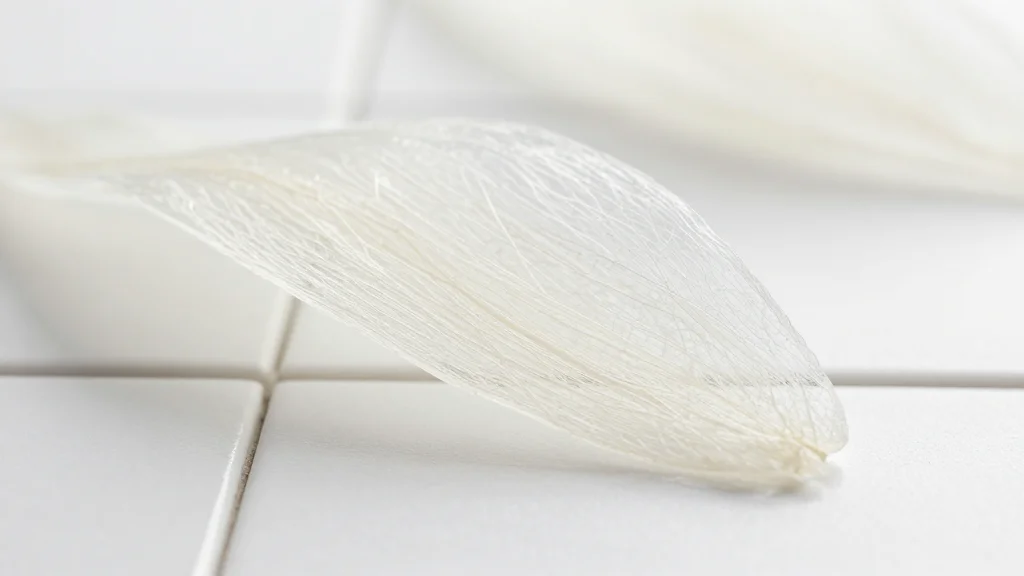
The Texas A&M team’s breakthrough hinges on an engineered extracellular matrix (ECM) that mimics native dermal architecture. Human cells are cultured on a predefined scaffold, prompting them to deposit organized collagen and glycosaminoglycans. Once the ECM reaches the desired thickness, a detergent wash removes all cellular material, leaving a sterile, acellular matrix that retains the biochemical cues essential for tissue regeneration. This cell‑free construct eliminates the risk of immune rejection and pathogen transfer while preserving the regenerative benefits of a biologically derived product.
Looking ahead, the researchers plan to transition from petri‑dish batches to large‑scale bioreactors, enabling consistent production at commercial volumes. Such scalability could dramatically reduce costs, making advanced wound care accessible to a broader patient base and easing the financial burden on healthcare systems. If clinical trials confirm efficacy, the technology may reshape the diabetic wound‑care market, prompting insurers to favor a product that promises faster healing, fewer complications, and a measurable reduction in amputation rates. The convergence of tissue engineering and manufacturing efficiency positions this ECM dressing as a potential new standard in chronic wound management.
Novel diabetic wound treatment turns cells into manufacturers
Comments
Want to join the conversation?
Loading comments...