Is The Gut The Missing Link To Women's Longevity? An Expert Explains
Why It Matters
Addressing protein and fiber deficits can preserve muscle mass and reduce inflammation, directly impacting cardiovascular risk for mid‑life women. Personalized biomarker testing enables targeted interventions, potentially extending healthy lifespan.
Key Takeaways
- •Women need ~100 g protein daily; most consume only 50 g
- •Aim for 25‑30 g fiber a day; average intake is 10 g
- •Track fasting insulin, ApoB, Lp(a), ferritin, and hs‑CRP for heart health
- •Boston Heart test distinguishes cholesterol absorbers vs. synthesizers, guiding therapy
- •Anti‑inflammatory plates should include 30 plant varieties weekly
Pulse Analysis
The gut microbiome has emerged as a pivotal factor in women’s health, especially during the hormonal turbulence of menopause. As estrogen wanes, the body’s ability to maintain muscle mass and insulin sensitivity declines, making adequate protein intake essential. Experts now recommend 100 g of high‑quality protein spread across meals to stimulate muscle protein synthesis, while fiber intake should climb to 25‑30 g daily to feed beneficial bacteria that produce short‑chain fatty acids, curbing systemic inflammation and supporting metabolic balance.
Beyond diet, precise biomarker monitoring is reshaping cardiovascular risk assessment for women. Traditional cholesterol panels often miss nuanced threats; markers such as ApoB and Lp(a) provide a clearer picture of arterial plaque potential, while fasting insulin and hs‑CRP reveal early insulin resistance and inflammation. The Boston Heart cholesterol balance test further refines treatment by distinguishing whether elevated cholesterol stems from excessive absorption or overproduction, allowing clinicians to tailor therapies—ranging from ezetimibe to lifestyle adjustments—rather than defaulting to broad‑spectrum statins.
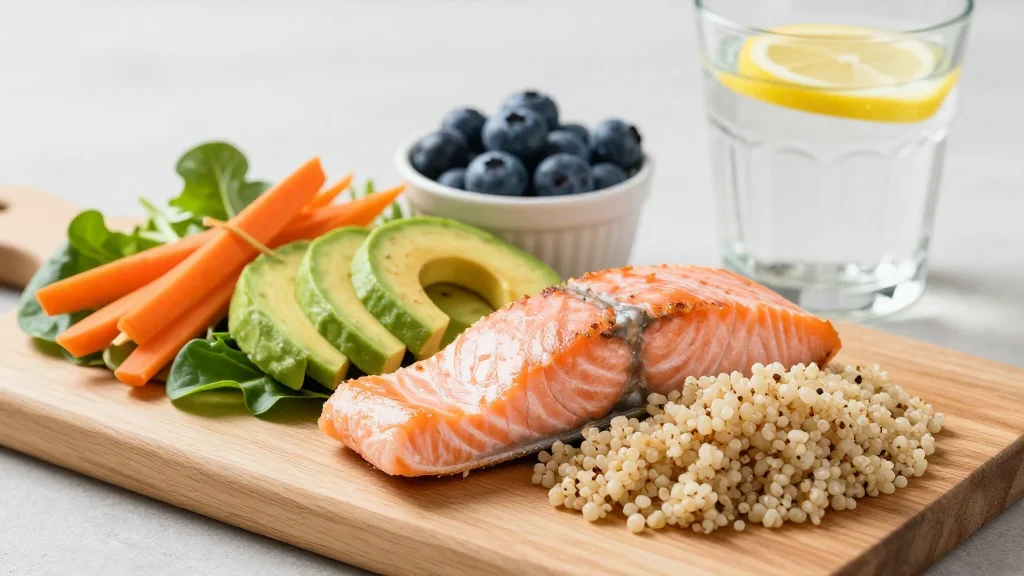
Practical nutrition strategies now emphasize diversity and anti‑inflammatory potency. Incorporating a spectrum of 30 plant varieties each week, including bitter greens rich in polyphenols, supports a resilient microbiome and reduces pro‑inflammatory microbes. Healthy fats from salmon, duck, or extra‑virgin olive oil complement this approach, while a moderate 12‑13‑hour fasting window ensures regular protein distribution without the drawbacks of prolonged fasting. Together, these evidence‑based practices form a robust framework for extending women’s healthspan and mitigating age‑related disease risk.
Is The Gut The Missing Link To Women's Longevity? An Expert Explains
Comments
Want to join the conversation?
Loading comments...