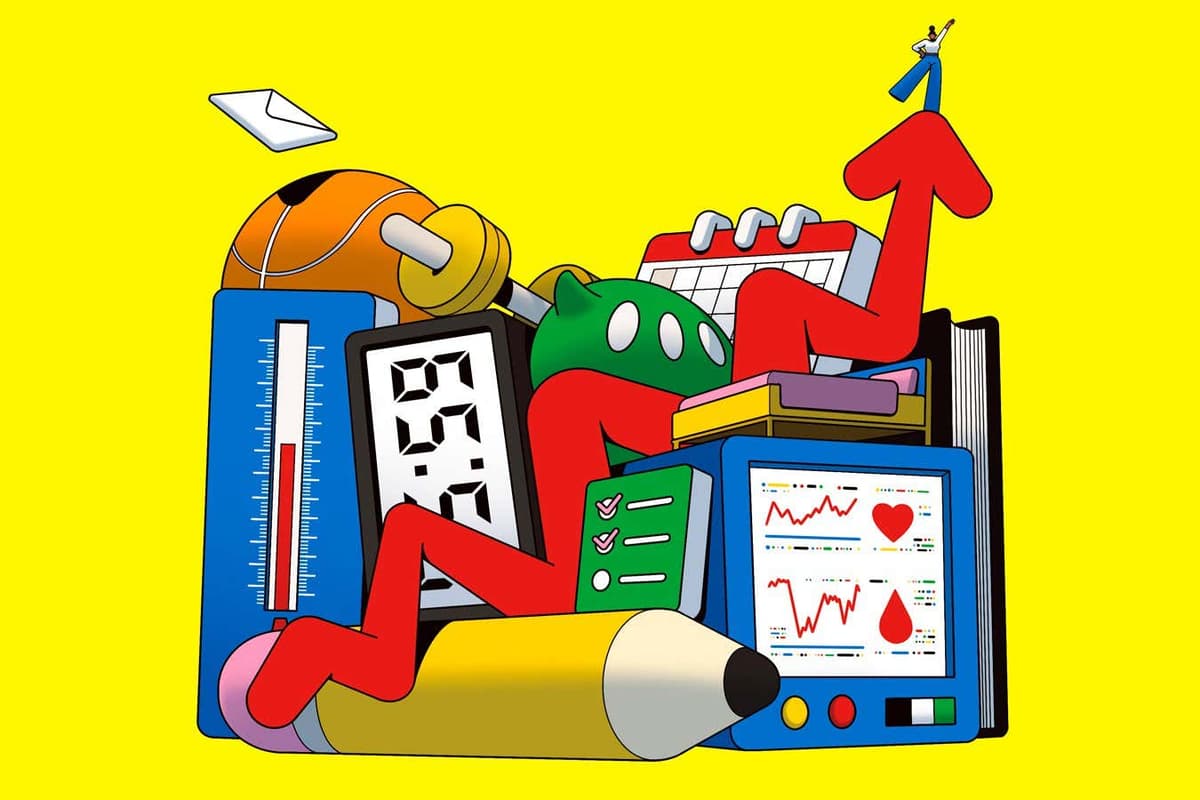
Why the Right Kind of Stress Is Crucial for Your Health and Happiness
Why It Matters
Understanding the nuanced effects of stress enables individuals and organizations to leverage eustress for performance while mitigating chronic stress‑related health risks.
Key Takeaways
- •Acute stress can boost cognition and physical performance
- •Chronic stress suppresses immunity and raises disease risk
- •Distinguishing stress types helps target optimal eustress dose
- •Exercise‑induced stress triggers beneficial hormonal responses
- •Personalized stress exposure may improve resilience and longevity
Pulse Analysis
The traditional narrative that stress is uniformly detrimental is giving way to a more nuanced science. Researchers now differentiate between acute, short‑lived stressors that trigger adaptive hormonal cascades and chronic, low‑grade stress that erodes cardiovascular and mental health. Studies across neuroscience and endocrinology reveal that brief spikes in cortisol and adrenaline can enhance memory consolidation, neuroplasticity, and muscle growth, while sustained elevations suppress immune function and increase inflammation. This shift reframes stress from a purely pathological condition to a potential catalyst for physiological optimization.
Eustress, or positive stress, is gaining attention for its role in performance and well‑being. High‑intensity interval training, demanding work projects, and even controlled exposure to cold or heat activate the body’s fight‑or‑flight response in a way that strengthens resilience. The resulting hormonal surge improves glucose metabolism, promotes the release of brain‑derived neurotrophic factor, and sharpens focus. However, the benefits hinge on dosage and recovery; without adequate rest, the same mechanisms can become maladaptive. Personal experimentation, as illustrated by the author’s day of varied stressors, underscores the importance of monitoring subjective strain and physiological markers to stay within the optimal window.
For businesses and health professionals, these insights translate into actionable strategies. Employers can design workloads that incorporate challenging yet achievable goals, encouraging employees to experience constructive stress without tipping into burnout. On an individual level, integrating brief, intense activities—such as weight training, public speaking, or problem‑solving sessions—paired with restorative practices like sleep, mindfulness, and nutrition can help maintain the sweet spot. Ongoing research aims to personalize stress prescriptions, using wearable data to fine‑tune exposure for each person’s unique biology, promising a future where stress is managed as a strategic asset rather than an inevitable liability.
Why the right kind of stress is crucial for your health and happiness
Comments
Want to join the conversation?
Loading comments...