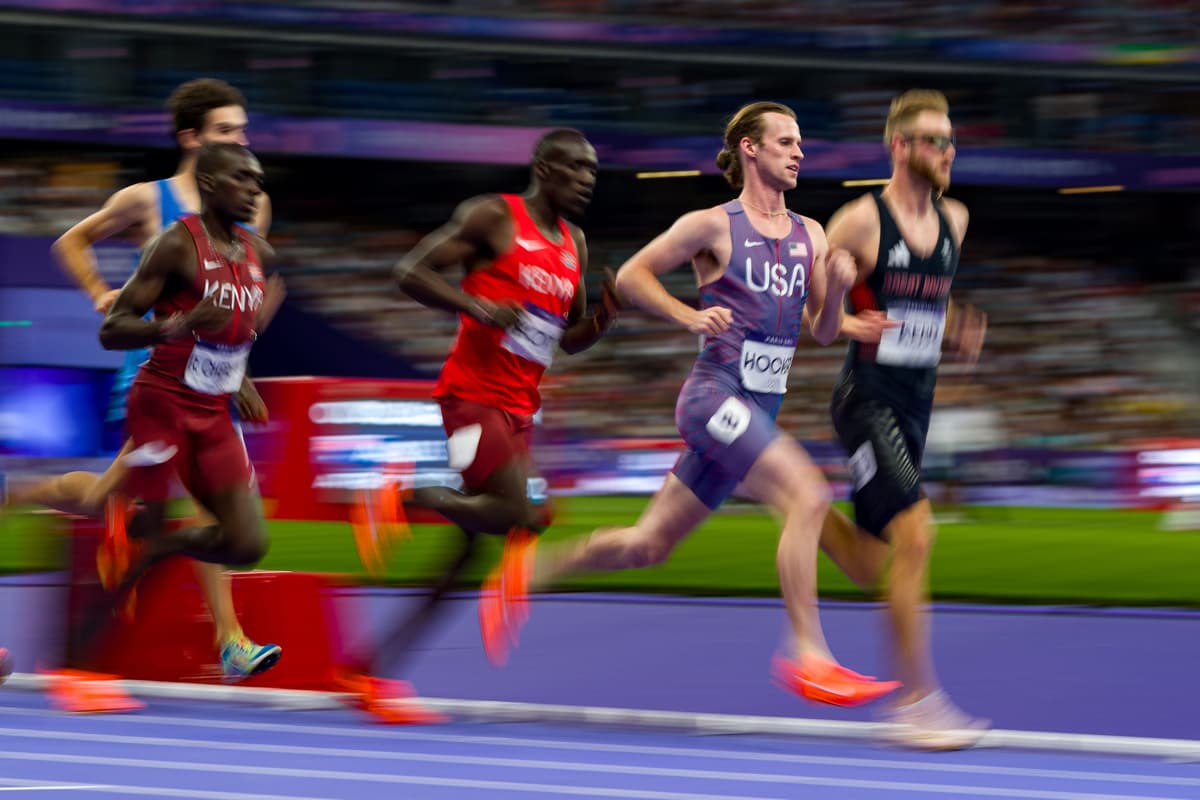
The Tool Olympic Gold Medalist Cole Hocker Uses to Add More Zone 2 Workouts to His Schedule
Companies Mentioned
Why It Matters
The approach shows elite runners how to safely increase aerobic volume, offering a blueprint for injury‑prevention and performance gains across the sport.
Key Takeaways
- •Hocker adds two‑hour, 40‑mile zone 2 bike rides weekly.
- •Cycling replaces excess running mileage, reducing injury risk.
- •Heart‑rate monitoring keeps rides in zone 2 at ~140 bpm.
- •Proper bike fit resolves knee and back issues for runners.
Pulse Analysis
Cross‑training has become a cornerstone of elite endurance programs, and cycling is emerging as the preferred low‑impact modality for distance runners. By staying in zone 2—typically 60‑70% of maximum heart rate—athletes can expand aerobic capacity without the musculoskeletal stress that comes from additional miles on the pavement. This method aligns with the broader sports‑science consensus that controlled, high‑volume aerobic work improves mitochondrial density and fat‑oxidation efficiency, key factors for both middle‑distance and marathon performance.
Cole Hocker’s regimen exemplifies how the theory translates into practice. After a stress‑reaction injury in 2022, he incorporated two substantial rides each week, each lasting about two hours and covering roughly 40 miles. Using a heart‑rate monitor, he targets an average of 140 bpm, a sweet spot that delivers a strong cardiovascular stimulus while sparing his joints. A disciplined fueling strategy—carb gels and liquids within the first 20 minutes—prevents bonking and maintains steady energy output. Moreover, a professional bike fit eliminated knee and back discomfort, allowing him to sustain higher power outputs and protect his running form.
For coaches and recreational runners, Hocker’s blueprint offers actionable insights. Schedule longer zone 2 rides on days following hard running sessions to promote active recovery, and use shorter, supplemental rides to incrementally raise weekly volume. Emphasize heart‑rate‑guided effort rather than speed to keep training in the optimal aerobic window. Investing in a proper bike fit and appropriate equipment can pay dividends in injury reduction and performance, making cycling a scalable tool for anyone looking to enhance endurance without the cumulative impact of extra miles.
The Tool Olympic Gold Medalist Cole Hocker Uses to Add More Zone 2 Workouts to His Schedule
Comments
Want to join the conversation?
Loading comments...