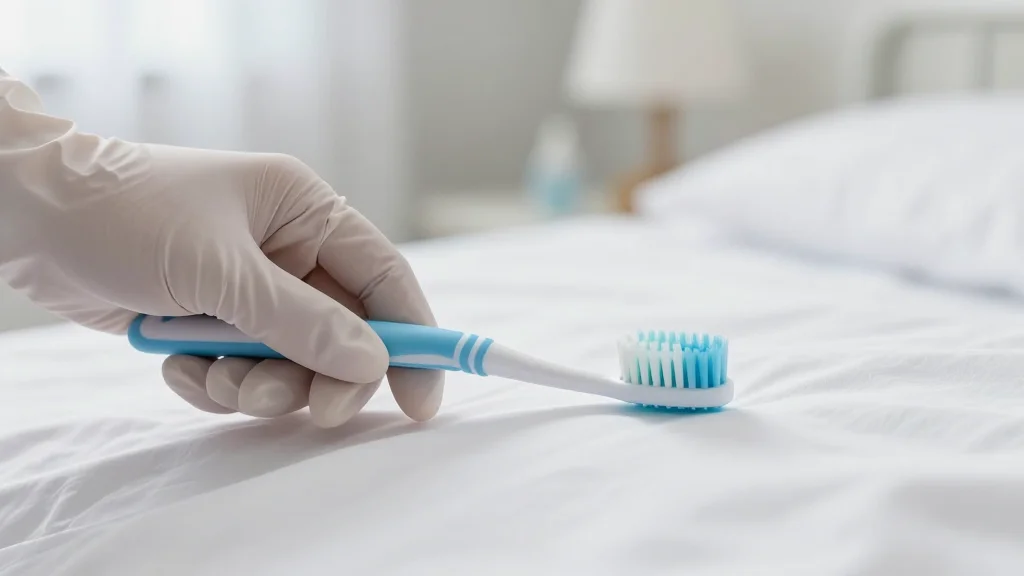
Improving Oral Care More than Halves Hospital-Acquired Pneumonia Risk, Major Trial Finds
Why It Matters
Cutting NV‑HAP lowers patient mortality, shortens hospital stays, and reduces expensive complications, offering hospitals a high‑impact, inexpensive infection‑control tool.
Key Takeaways
- •Oral care program cut NV‑HAP risk by 60%.
- •Patient oral care rose from 15.9% to 61.5%.
- •Daily oral hygiene performed 1.5 times per patient.
- •Study involved 8,870 patients across three Australian hospitals.
Pulse Analysis
Non‑ventilator‑associated hospital‑acquired pneumonia (NV‑HAP) accounts for a sizable share of healthcare‑associated infections, yet it has long been eclipsed by ventilator‑associated pneumonia in research and policy focus. NV‑HAP prolongs length of stay, inflates treatment costs, and raises mortality rates, creating a hidden financial and clinical burden for health systems worldwide. Understanding its microbial origins—often the patient’s own oral flora—highlights the preventive potential of simple, bedside interventions.
The HAPPEN trial addressed this gap with a pragmatic, stepped‑wedge design that rolled out a comprehensive oral‑care bundle across nine wards in three Australian hospitals. Patients received toothbrushes, toothpaste, education, and digital resources on admission, while staff underwent targeted training and support. The program lifted oral‑care delivery from under 16% to over 60% and achieved an average of 1.5 daily oral‑care events per patient. Correspondingly, NV‑HAP incidence fell from 1.00 to 0.41 cases per 100 admission days‑at‑risk, a statistically significant 60% reduction that underscores the causal link between oral hygiene and lower respiratory infection risk.
For hospital administrators, the study offers a compelling business case: the intervention relies on inexpensive supplies and modest staff training, yet yields substantial savings by averting costly pneumonia episodes. Scaling the program will require embedding oral‑care protocols into admission checklists, electronic health records, and continuous quality‑improvement cycles. Future research should explore long‑term sustainability, integration with antimicrobial stewardship, and adaptation to diverse care settings. As guidelines evolve, the HAPPEN evidence positions oral hygiene as a cornerstone of infection‑prevention strategies, promising both clinical and economic dividends.
Improving oral care more than halves hospital-acquired pneumonia risk, major trial finds
Comments
Want to join the conversation?
Loading comments...