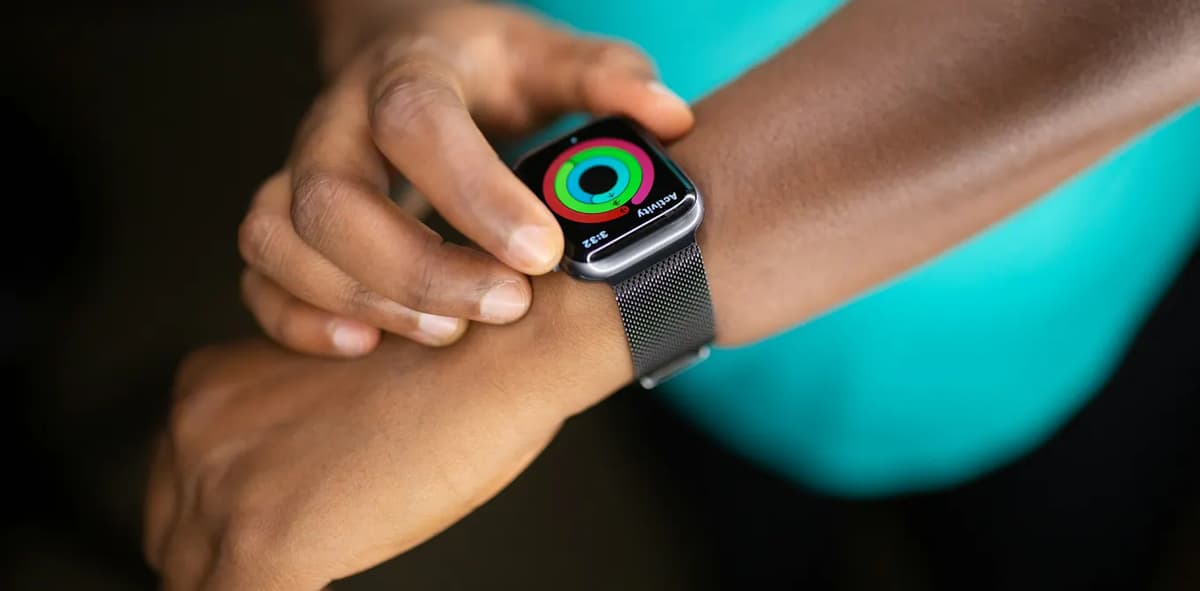
6 Ways Your Smartwatch Is Lying to You, According to Science
Why It Matters
These inaccuracies can mislead users about nutrition, exercise intensity, and recovery, potentially harming performance and health. Recognizing the limits of wearable data encourages reliance on broader trends and personal feedback rather than isolated numbers.
Key Takeaways
- •Calorie burn estimates often exceed 20% error margin.
- •Step counts may miss ~10% of steps during arm‑restricted activities.
- •Heart‑rate readings lose accuracy at high exercise intensities.
- •Sleep stage detection is unreliable compared to polysomnography.
- •VO₂max readings overestimate in sedentary users, underestimate fit athletes.
Pulse Analysis
The wearable market has exploded over the past decade, with millions of consumers relying on smartwatches to quantify daily activity, sleep, and fitness progress. Manufacturers tout sleek designs and seamless integration, positioning these devices as personal health coaches. Yet the underlying sensors—accelerometers, optical heart‑rate monitors, and algorithms—translate raw signals into proxy metrics, introducing layers of estimation that can drift far from clinical gold standards. This gap between perception and precision has sparked debate among trainers, clinicians, and tech reviewers about the true value of the data presented on users’ wrists.
Scientific studies highlight systematic errors across the most popular smartwatch outputs. Calorie‑expenditure models, which blend heart rate, motion, and user inputs, can miscalculate energy use by over 20%, especially during strength training, cycling, or high‑intensity interval sessions. Step‑count algorithms, dependent on arm swing, under‑report when users push strollers or carry loads, leading to roughly a 10% shortfall. Heart‑rate monitoring, reliable at rest, degrades as sweat, skin tone, and vigorous motion interfere, compromising zone‑based training. Sleep tracking, while decent at detecting sleep versus wakefulness, fails to accurately stage REM and deep sleep compared with polysomnography, and recovery scores built on shaky heart‑rate variability and sleep data may misguide rest recommendations. VO₂max estimations, derived from heart‑rate trends, tend to overstate fitness in inactive users and understate it in highly trained athletes.
For consumers, the pragmatic takeaway is to treat smartwatch metrics as directional guides rather than absolute truths. Tracking long‑term trends—whether step volume, resting heart rate, or sleep duration—can still reveal meaningful patterns when paired with subjective cues like perceived effort and well‑being. Industry players are responding by refining sensor technology, incorporating multi‑wavelength photoplethysmography, and leveraging machine‑learning models trained on larger clinical datasets. Some brands are also offering hybrid solutions that combine wrist data with chest‑strap or portable metabolic measurements for more accurate VO₂max and calorie assessments. As the ecosystem matures, transparency about algorithmic limitations and clearer user education will be essential to ensure that the convenience of wearables enhances, rather than distorts, health‑focused decision‑making.
6 ways your smartwatch is lying to you, according to science
Comments
Want to join the conversation?
Loading comments...