10 Science-Backed Ways To Improve Your Mitochondrial Health Daily
Why It Matters
Optimizing mitochondria improves metabolic efficiency, cognitive performance, and disease resistance, making it a strategic focus for both individuals and health‑focused businesses. The guidance bridges scientific research and actionable daily routines, driving consumer demand for evidence‑based wellness solutions.
Key Takeaways
- •Morning natural light syncs mitochondrial circadian rhythm, boosting daytime energy
- •Zone 2 cardio, strength, and HIIT together boost mitochondrial quantity and efficiency
- •12‑14‑hour overnight fast shifts metabolism to fat burning, improving mitochondria
- •Hydration and electrolytes sustain mitochondrial reactions, preventing fatigue and brain fog
- •Targeted supplements like CoQ10, creatine, and carnitine support energy pathways
Pulse Analysis
Mitochondria, often called the cell’s power plants, have surged into mainstream health conversations as research links their efficiency to everything from athletic performance to age‑related disease. The organelles operate on a daily rhythm, converting nutrients and oxygen into ATP, the energy currency that fuels brain activity, muscle contraction, and immune response. As the scientific community uncovers how lifestyle factors modulate mitochondrial biogenesis and repair, consumers and clinicians alike are seeking practical ways to harness this knowledge for better health outcomes.
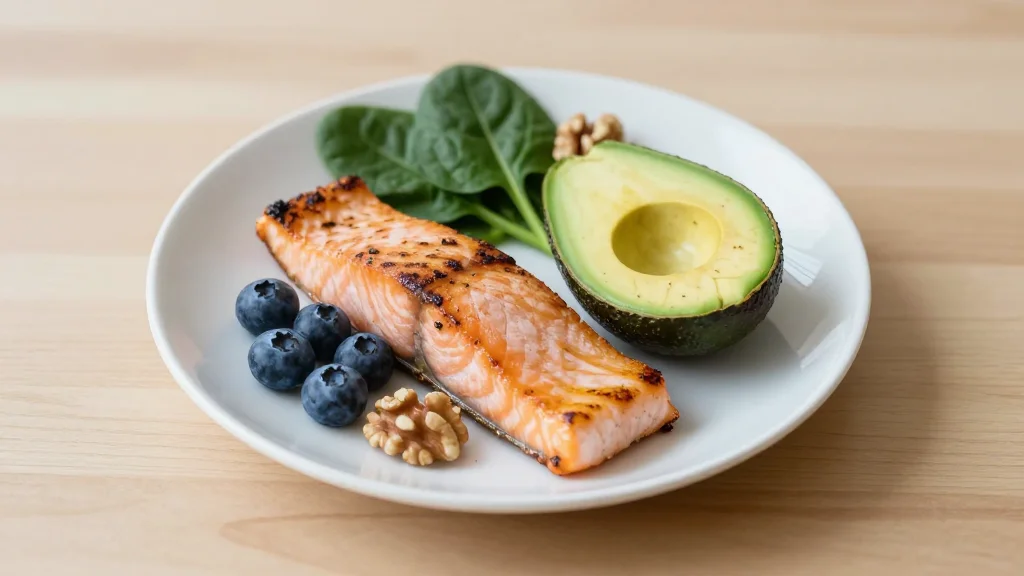
Daily habits that align with mitochondrial needs are surprisingly straightforward. Exposure to natural light within the first hour of waking resets the circadian clock, ensuring mitochondria prioritize energy production during daylight hours and repair at night. Exercise—especially a mix of Zone 2 cardio, strength training, and occasional HIIT—stimulates the creation of new mitochondria and refines their efficiency. Nutrient‑dense foods supply essential cofactors like magnesium, B‑vitamins, omega‑3s, and polyphenols, while a 12‑ to 14‑hour overnight fast encourages the shift to fat oxidation, enhancing metabolic flexibility. Adequate hydration, quality sleep, controlled heat or cold exposure, and stress‑reduction practices further protect these organelles from oxidative damage.
For the wellness industry, these insights translate into a growing market for products and services that support mitochondrial health. Brands are expanding lines of CoQ10, creatine, and acetyl‑L‑carnitine supplements, while fitness platforms integrate circadian‑aligned training schedules. Meanwhile, clinicians are incorporating mitochondrial metrics into preventive care protocols. As evidence accumulates, businesses that combine science‑backed education with tailored lifestyle tools will likely capture the attention of health‑conscious consumers seeking sustainable energy and longevity.
10 Science-Backed Ways To Improve Your Mitochondrial Health Daily
Comments
Want to join the conversation?
Loading comments...