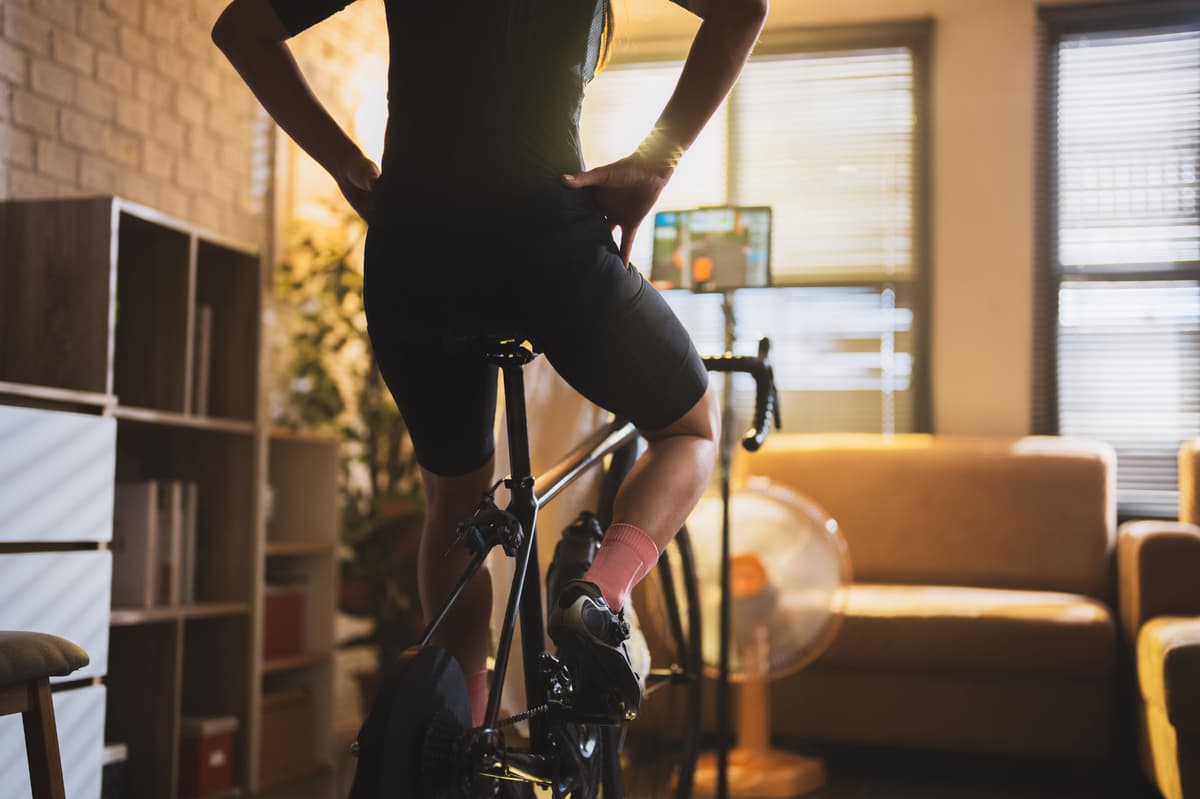
Zwift Can Leading to Huge Performance Breakthroughs if You Use These Powerful Tips
Companies Mentioned
Why It Matters
The approach reframes indoor cycling from a convenience to a competitive advantage, helping cyclists gain measurable gains without additional hardware. It also demonstrates how mental discipline can directly boost physiological output, a lesson applicable across endurance sports.
Key Takeaways
- •Indoor training refines Form, Technique, Position for hidden wattage gains
- •Consistent stillness under pressure improves speed and decision‑making
- •Zwift’s distraction‑free environment amplifies breath‑body awareness
- •Coach David’s 3‑minute loop embeds mastery into every ride
Pulse Analysis
Zwift’s evolution from a novelty app to a high‑performance training ecosystem reflects a broader shift in endurance sports: the integration of mental acuity with physiological output. While most cyclists chase raw numbers on power meters, Coach David Lipscomb emphasizes a different metric—Form, Technique, Position (FTP). By treating the indoor trainer as a transparent mirror, athletes can isolate variables that outdoor riding masks, such as subtle posture drift or uneven pedal strokes. This isolation enables precise adjustments that translate into smoother power delivery and reduced energy waste when transitioning to real‑world conditions.
The psychological component is equally critical. Zwift’s immersive graphics eliminate external distractions, allowing riders to focus on breath, cadence, and the micro‑adjustments that define elite performance. The article’s "Calm Power Set" and "FTP Loop" illustrate how structured, low‑intensity zones paired with intentional focus words foster a state of stillness. Research shows that athletes who master this calm under pressure exhibit lower heart‑rate variability and higher lactate threshold, confirming that mental steadiness directly enhances physiological efficiency.
For coaches and serious cyclists, the takeaway is actionable: embed short, purpose‑driven intervals that target Form, Technique, and Position into every Zwift session. The three‑minute loop—alternating focus on posture, pedal smoothness, and bike geometry—creates muscle memory that survives the transition to outdoor roads. By consistently applying these drills, riders can expect measurable improvements in FTP, reduced injury risk, and a competitive edge that stems from disciplined awareness rather than sheer wattage alone.
Zwift Can Leading to Huge Performance Breakthroughs if You Use These Powerful Tips
Comments
Want to join the conversation?
Loading comments...