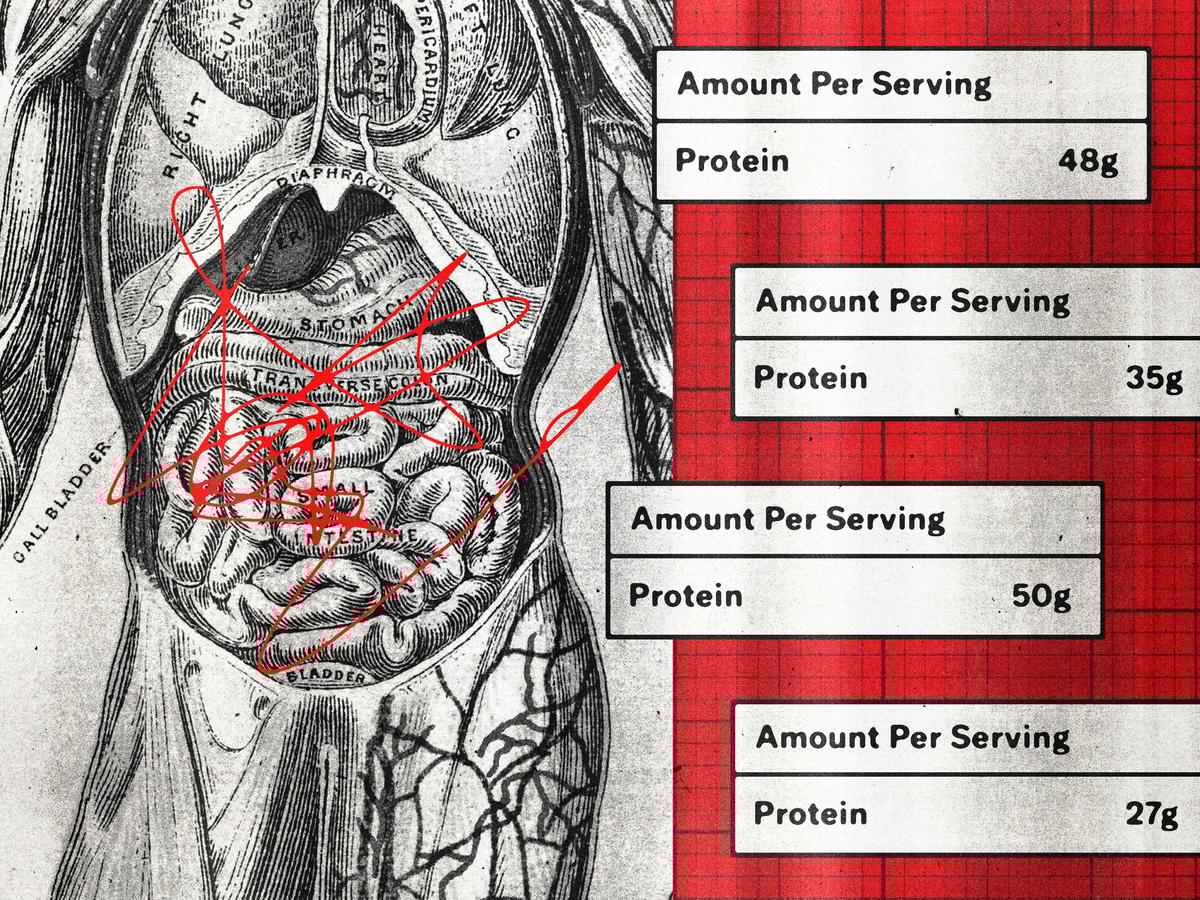
Is Your Proteinmaxxing Hurting Your Gut?
Why It Matters
Balancing protein intake is critical for preserving muscle mass without triggering flare‑ups, directly affecting quality of life and long‑term disease outcomes for IBD patients.
Key Takeaways
- •Excess protein can ferment, producing ammonia and hydrogen sulfide
- •IBD patients should limit protein to 1.2‑1.5 g/kg body weight
- •Red meat and processed meats increase inflammation and colon cancer risk
- •Protein powders often contain sugars, emulsifiers, and additives that aggravate symptoms
- •Lean poultry, fish, eggs, tofu, and tolerated legumes are safer protein choices
Pulse Analysis
Protein remains a dietary pillar for anyone focused on muscle preservation, but the calculus shifts for those battling inflammatory bowel disease. Malabsorption and heightened catabolism during flares can elevate protein needs, prompting many patients to increase consumption. However, the small intestine’s capacity to break down protein is finite; when overwhelmed, undigested protein migrates to the colon where bacterial fermentation generates ammonia, hydrogen sulfide, and other noxious compounds. These metabolites inflame the mucosa, intensify bloating, cramps, and diarrhea, and may even compromise the gut barrier, creating a feedback loop that worsens disease activity.
The source of protein matters as much as the quantity. High‑fat red meats and processed deli slices are laden with saturated fats, nitrates, and additives that fuel systemic inflammation and have been linked to a higher risk of colorectal cancer—a concern already amplified in IBD cohorts. Likewise, many commercial protein powders, bars, and shakes contain added sugars, artificial sweeteners, and emulsifiers that can disrupt the gut microbiome. In contrast, lean poultry, fatty fish rich in omega‑3s, eggs, and plant‑based proteins such as tofu, lentils, and nut butters tend to be better tolerated, provided fiber content is managed during active flare periods.
Practical guidance centers on moderation and personalization. Clinicians typically recommend 1.2‑1.5 grams of protein per kilogram of body weight, adjusting upward for athletes or those with significant muscle loss. Patients should prioritize whole‑food proteins, monitor symptom response, and introduce new sources gradually. Working with a gastro‑nutrition specialist can help fine‑tune macronutrient ratios, ensure adequate micronutrient intake, and mitigate flare risk. As research evolves, targeted probiotic and enzyme therapies may further enhance protein digestion for the IBD community, offering a more nuanced approach to protein‑maxxing without compromising gut health.
Is Your Proteinmaxxing Hurting Your Gut?
Comments
Want to join the conversation?
Loading comments...