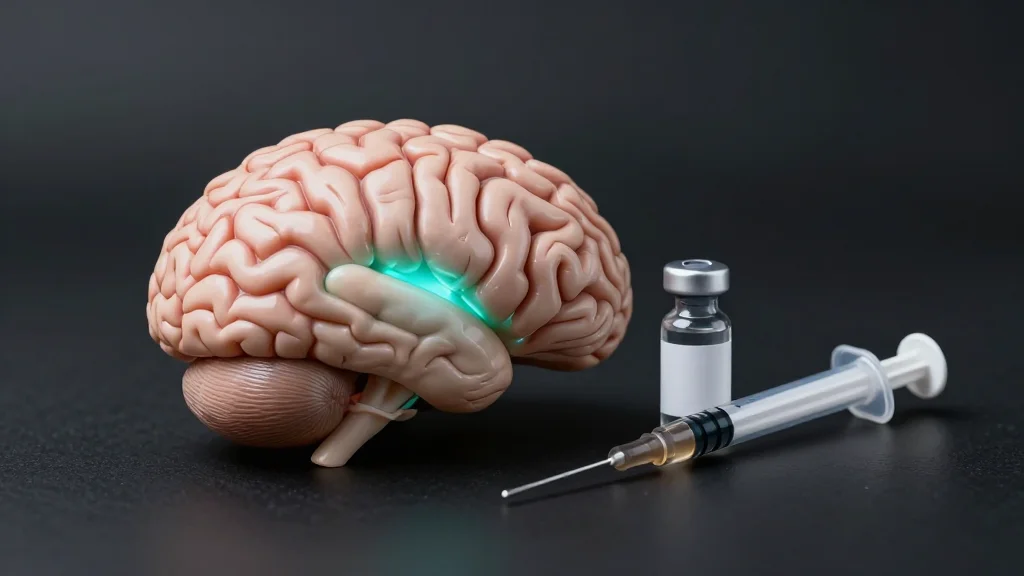
Can Positive Expectations Tune the Immune System?
Why It Matters
Demonstrating that positive expectations can modulate immune outcomes highlights the potential role of mindset in vaccine efficacy and other treatments, urging clinicians to consider psychological context alongside biological interventions.
Key Takeaways
- •Neurofeedback increased VTA activity in reward network participants.
- •VTA up‑regulation correlated r=0.31 with higher hepatitis B antibodies.
- •Positive‑expectation strategies amplified sustained VTA activation during training.
- •No overall group differences in antibody levels despite brain‑immune link.
- •Study limited to healthy young adults; findings remain mechanistic.
Pulse Analysis
The emerging field of psychoneuroimmunology has long examined how thoughts, emotions, and expectations shape physiological processes. Placebo and nocebo research already shows that inert interventions can alter pain perception and hormonal responses, but linking mindset directly to immune function has remained elusive. Neurofeedback—real‑time brain‑activity training via fMRI or EEG—offers a novel experimental platform to test whether individuals can deliberately modulate neural circuits that govern reward and motivation, and whether such modulation translates into measurable changes in the body.
In the recent Nature Medicine trial, 85 participants were randomly assigned to reward‑mesolimbic neurofeedback, control neurofeedback, a podcast condition, or a no‑feedback control. Over multiple sessions, subjects learned to up‑regulate activity in the ventral tegmental area (VTA), a key node in the brain’s reward system. After training, a hepatitis B vaccine was administered, and antibody titers were tracked. While group‑level antibody responses were statistically indistinguishable, individual analyses revealed that greater VTA activation correlated with a 31% increase in antibody levels (r≈0.31). Moreover, participants who reported using positive‑expectation strategies—visualizing success or feeling hopeful—showed stronger, sustained VTA activity, suggesting a synergistic effect between cognitive framing and neural reward pathways.
These findings carry practical and research implications. Clinicians may need to acknowledge that patient expectations can subtly influence vaccine efficacy, prompting more supportive communication during immunizations. For researchers, the study underscores the importance of larger, more diverse samples and the need to move from correlational links to causal demonstrations, perhaps by isolating dopamine‑mediated pathways or testing expectation training without neurofeedback. Until replicated, the evidence remains mechanistic, but it opens a promising avenue for integrating mindset‑based interventions into holistic health strategies.
Can positive expectations tune the immune system?
Comments
Want to join the conversation?
Loading comments...