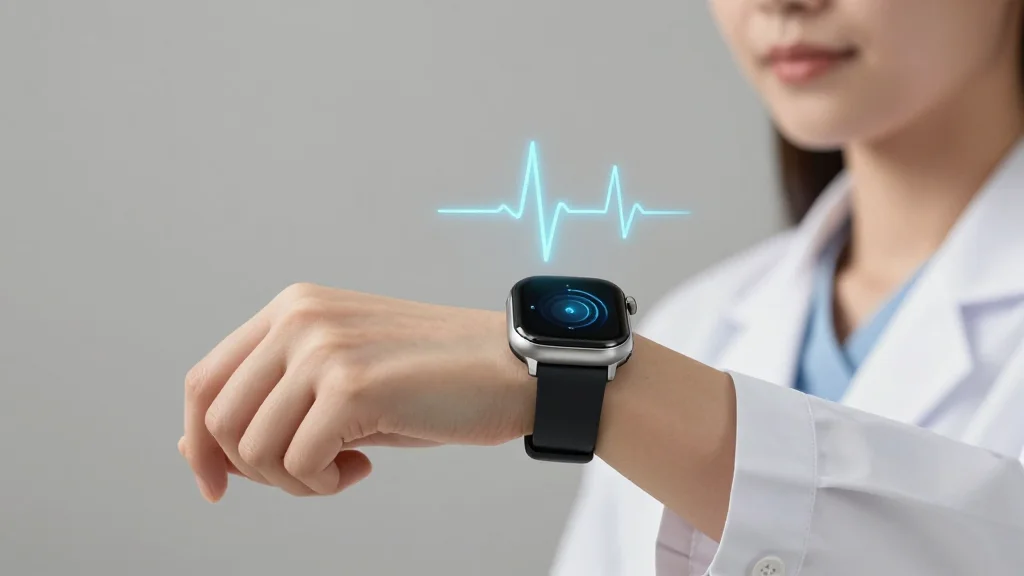
Got Wearable Data? Your Doctor Can Help You Connect the Dots
Why It Matters
Integrating contextual wearable data into medical visits can improve diagnosis, personalize treatment, and even prevent life‑threatening events, reshaping preventive care.
Key Takeaways
- •Wearable market reaches $100 billion globally
- •Doctors need contextual patterns, not raw data
- •Wearables can flag arrhythmias, leading to lifesaving interventions
- •Patients should pair device data with personal health narrative
- •Four practical tips help integrate wearables into clinical visits
Pulse Analysis
The consumer wearable market has exploded, crossing the $100 billion threshold as millions of Americans adopt devices that monitor sleep, heart rate, temperature and more. This surge creates a new data frontier for healthcare, offering clinicians a continuous glimpse into patients' daily physiology that traditional office visits can’t capture. However, the sheer volume of metrics can overwhelm both patients and providers unless the information is distilled into meaningful trends that align with lifestyle factors and medical history.
Clinicians are beginning to recognize the diagnostic value of wearables when data is presented with context. Doctors like Dr. McBride emphasize pattern‑based reporting—such as a week of disrupted sleep following a stressful event—over isolated readings, enabling more accurate assessments of conditions like migraines or cardiac arrhythmias. Studies show that early detection of irregular heart rhythms via smartwatch alerts can prompt timely referrals, sometimes resulting in life‑saving interventions like pacemaker implantation. By bridging raw sensor data with patient narratives, physicians can expand their diagnostic toolkit without replacing traditional examinations.
For patients, the key to leveraging wearables lies in preparation and communication. Understanding device functionality, asking targeted questions, and balancing data with personal health stories ensure that the information enhances, rather than distracts from, clinical conversations. The four practical tips outlined—knowing your device, contextualizing questions, managing data anxiety, and preserving the human narrative—provide a roadmap for integrating technology into routine care. As insurers and health systems increasingly incorporate remote monitoring, mastering this collaborative approach will be essential for realizing the full promise of digital health.
Got wearable data? Your doctor can help you connect the dots
Comments
Want to join the conversation?
Loading comments...