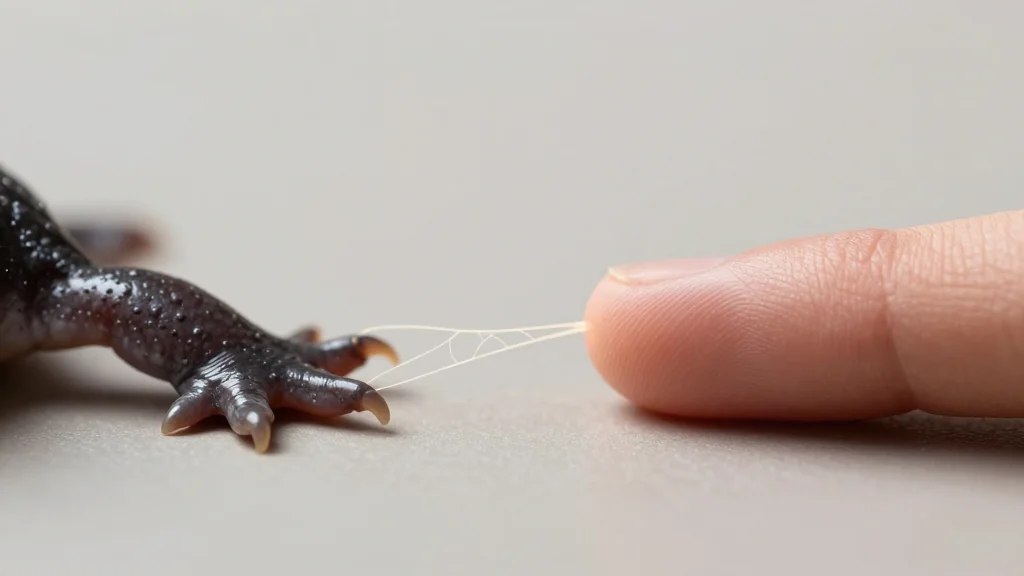
What if Humans Could Regrow Tissue? New Study Moves Science Closer
Why It Matters
By showing that mammalian cells can be reprogrammed to regenerate complex tissues without added stem cells, the study opens a realistic avenue for scar‑reduction and limb‑repair therapies, potentially reshaping regenerative medicine and post‑amputation care.
Key Takeaways
- •Two-step FGF2 then BMP2 treatment triggers mouse digit regeneration
- •Regenerated tissue includes bone, tendon, ligament, and joint structures
- •Approach avoids external stem cells, leveraging resident fibroblasts
- •BMP2 already FDA‑approved, easing path to clinical trials
- •Early results suggest scar reduction could benefit human wound healing
Pulse Analysis
For decades, scientists have marveled at salamanders’ ability to regrow entire limbs, while humans are left with permanent scar tissue. The fundamental difference lies not in the presence of regenerative cells but in how they are instructed after injury. In mammals, fibroblasts rapidly seal wounds, forming a fibrotic scar that preserves life but blocks true tissue reconstruction. The Texas A&M study flips this paradigm by showing that the same fibroblasts can be nudged into a blastema‑like state, a prerequisite for regrowth, using well‑characterized growth factors.
The researchers’ two‑step protocol leverages timing: FGF2 is applied after the wound closes, coaxing fibroblasts away from a purely fibrotic pathway. Days later, BMP2 is introduced, providing the positional cues needed for bone and connective‑tissue formation. This sequential signaling mimics natural developmental processes and eliminates the need for exogenous stem‑cell transplants, a major hurdle in many regenerative strategies. Moreover, the observed positional re‑specification—where cells adopt new identities to rebuild structures—suggests a broader plasticity that could be harnessed for complex organ repair beyond digits.
Clinically, the findings are compelling because BMP2 already holds FDA approval for spinal fusion and bone repair, while FGF2 is advancing through multiple trial phases for wound healing. This regulatory familiarity could accelerate human studies focused first on scar mitigation and enhanced tissue repair after amputations. Challenges remain, including scaling the approach to larger injuries and ensuring functional integration of regenerated tissues. Nonetheless, the work provides a concrete, biologically grounded roadmap that could transform how surgeons address traumatic loss, chronic wounds, and even age‑related degeneration.
What if humans could regrow tissue? New study moves science closer
Comments
Want to join the conversation?
Loading comments...