Have You Heard of Astaxanthin? You Will Soon
Companies Mentioned
Why It Matters
The nutrient’s potential to enhance mitochondrial health and reduce oxidative stress could give athletes and aging populations a measurable edge in recovery and endurance, driving broader adoption in the sports‑nutrition market.
Key Takeaways
- •AstaReal produces the most clinically studied natural astaxanthin
- •Recommended adult dose ranges from 4 to 12 mg per day
- •Studies link astaxanthin to improved mitochondrial function and endurance
- •Fat‑soluble form offers longer tissue retention than water‑soluble vitamins
Pulse Analysis
Astaxanthin’s rise from a marine pigment to a high‑performance supplement reflects a convergence of biochemistry and consumer demand for evidence‑based nutrition. Unlike traditional antioxidants that sit on one side of the cell membrane, astaxanthin’s elongated molecular structure allows it to bridge the lipid bilayer, neutralizing free radicals both inside and outside the cell. This unique mechanism underpins research from AstaReal’s Stockholm facility, which shows the compound supports mitochondrial efficiency—a critical factor for athletes whose muscles rely heavily on oxidative metabolism.
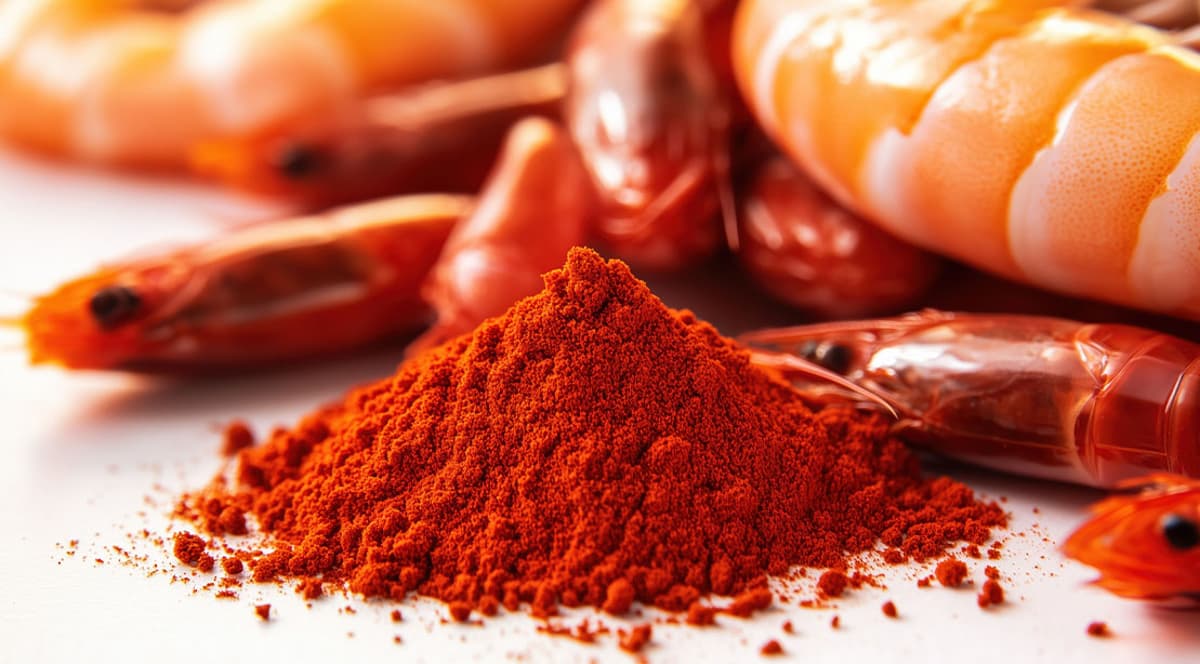
The practical implications are already reshaping product portfolios across the sports‑nutrition landscape. AstaReal’s 4‑12 mg daily recommendation fills a gap that would otherwise require an impractical intake of hundreds of pounds of salmon or shrimp to achieve. As a fat‑soluble molecule, astaxanthin remains in tissue longer than water‑soluble vitamins, making it especially valuable for travelers and competitors facing inconsistent diets. Endurance specialists, such as MMA trainer Jackie Kaminski, now incorporate it into immunity stacks, citing its “insurance‑policy” effect on cellular resilience.
Looking ahead, the supplement’s appeal extends beyond elite athletes to the broader aging demographic. Clinical trials indicate that combined with vitamin E and zinc, astaxanthin can boost treadmill performance and even increase lower‑leg muscle mass in seniors. This dual benefit of performance enhancement and age‑related muscle preservation positions astaxanthin as a strategic ingredient for next‑generation wellness formulations, potentially expanding market share as consumers seek scientifically validated, natural solutions for longevity and athletic excellence.
Have You Heard of Astaxanthin? You Will Soon
Comments
Want to join the conversation?
Loading comments...