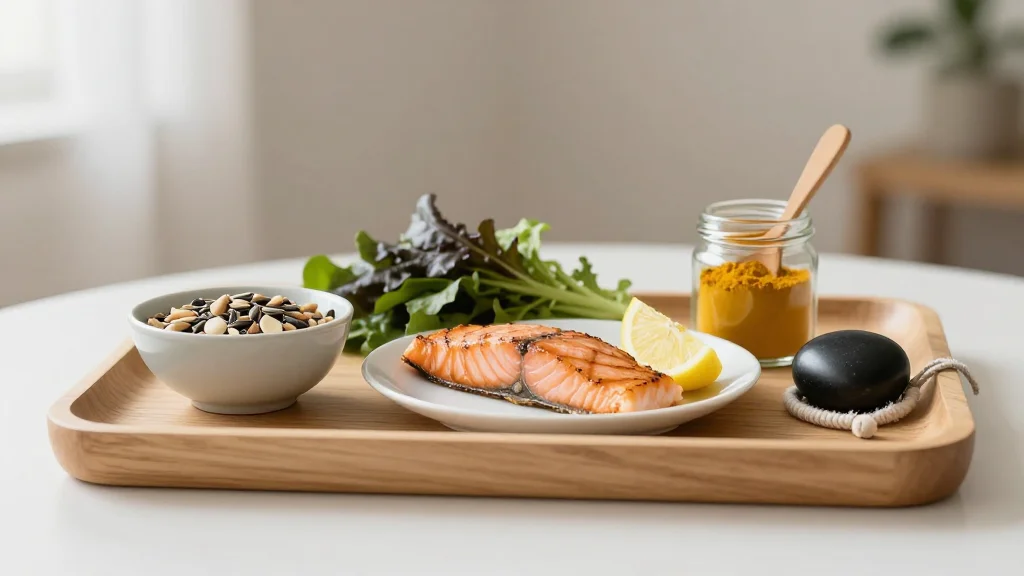
These 10 Nutrients Are A Must For Healthy Aging — Are You Getting Enough?
A new nationwide analysis reveals that most Americans, even those who consider their diets "healthy," fall short on ten key nutrients linked to healthy aging. The study found 21 of 24 examined micronutrients were under‑consumed, with Vitamin D, Vitamin E, calcium, magnesium and dietary fiber lacking across all age groups. Additional priority nutrients—choline, zinc, folate, omega‑3 fatty acids and potassium—show significant gaps in specific populations such as teens, pregnant women, and seniors. The research underscores a systemic shortfall that could accelerate osteoporosis, heart disease, diabetes and cognitive decline.
What Brazilian Supercentenarians Can Teach Us About Living To 110
Brazilian researchers examined over 100 centenarians, including 20 supercentenarians, uncovering three biological advantages—robust protein maintenance, resilient immune function, and rare protective gene variants. These elders often live without advanced medical care, highlighting lifestyle and genetic factors that sustain health into...

Why Consistency Beats Perfection When It Comes To Healthy Aging
A May 2026 JAMA Network Open study of 207 adults, average age 68, linked stronger, more regular circadian rhythms to slower epigenetic age acceleration measured by GrimAge and PhenoAge. Participants wore wrist devices for a week, allowing researchers to map rest‑activity...

This Common Breakfast Food May Reduce Your Risk of Alzheimer’s
Researchers at Loma Linda University tracked nearly 40,000 adults for over 15 years and found that regular egg consumption is associated with a lower risk of Alzheimer’s disease. Eating at least one egg five days a week reduced the risk...

Digital Aging Twin Measures How Organs Age at Different Speeds Across Adulthood
Researchers from China’s Aging Biomarker Consortium unveiled the Digital Aging Twin, a computational framework that predicts biological age and organ‑specific aging rates using 240 physiological and multi‑omics measures from 2,019 healthy adults. The system features a three‑tier clock architecture, with...

Engaging with the Arts Linked to Slower Aging at the Biological Level
University College London researchers found that regular engagement in arts—reading, music, museum visits—correlates with a slower biological aging pace. Analyzing data from 3,556 UK adults using seven epigenetic clocks, participants who engaged in arts at least weekly aged about 4%...

Arts and Cultural Engagement ‘Linked to Slower Pace of Biological Ageing’
University College London researchers have found that regular engagement with the arts—whether creating music or visual art, or simply visiting galleries and museums—slows the biological aging process. The study, which examined epigenetic markers in a large UK cohort, showed that...
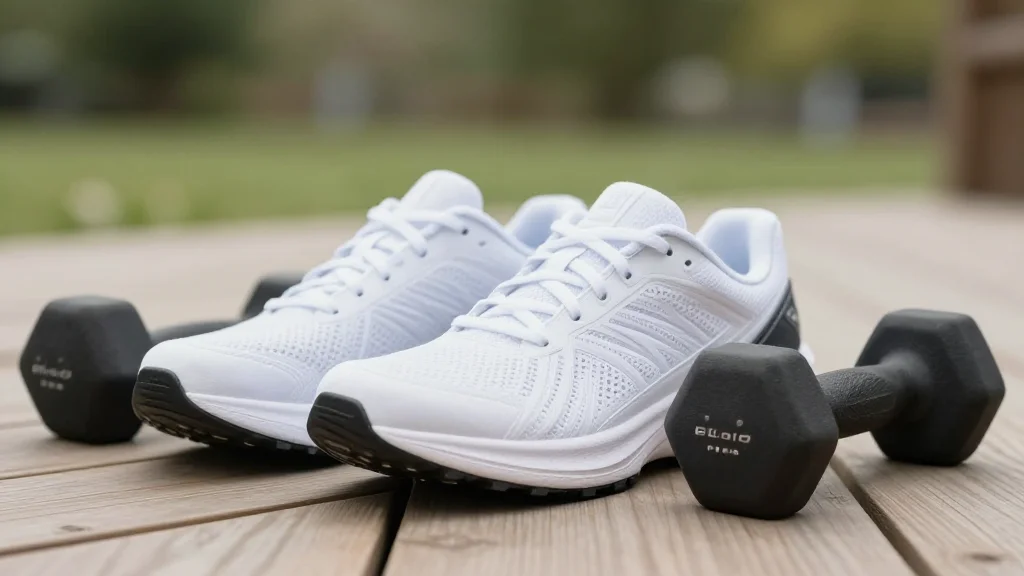
Walking and Strength Training Are Must-Do Workouts for Longevity. Here’s How to Build Your Routine.
The piece underscores that walking and strength training are complementary pillars for longevity. Walking delivers low‑impact cardiovascular, brain and bone benefits, while strength training excels at preserving muscle mass, bone density and metabolic health. Experts from Strong with Sarah, ACSM‑EP...

An Ancient Hibernation Switch Lives in Your DNA—And Scientists Are Tapping Into Its Power
Scientists have identified ancient cis‑regulatory DNA switches that enable hibernating mammals to shut down and restart metabolism safely, and they found the same genetic circuitry embedded in the human genome. The finding comes from two new studies published in Science...
:max_bytes(150000):strip_icc():format(jpeg)/blue-zone-live-longer-GettyImages-1682052044-46c9313a2cbb46ab82fb70857ec001e7.jpg)
These Everyday Habits From Blue Zones Could Help You Live Longer, Say Longevity Experts
Longevity experts highlight that residents of the world’s five blue zones—Okinawa, Sardinia, Nicoya, Ikaria and Loma Linda—share a handful of everyday habits that extend both lifespan and healthspan. Core practices include predominantly plant‑based meals, daily low‑intensity movement, strong social ties,...

Lifelong Cognitive Enrichment Is Linked to a 38 Percent Lower Risk of Alzheimer’s Disease
A study of 1,939 older adults in the Rush Memory and Aging Project found that higher lifetime cognitive enrichment reduces Alzheimer’s disease risk by 38% per point increase. Participants with the highest enrichment scores developed dementia about five years later...
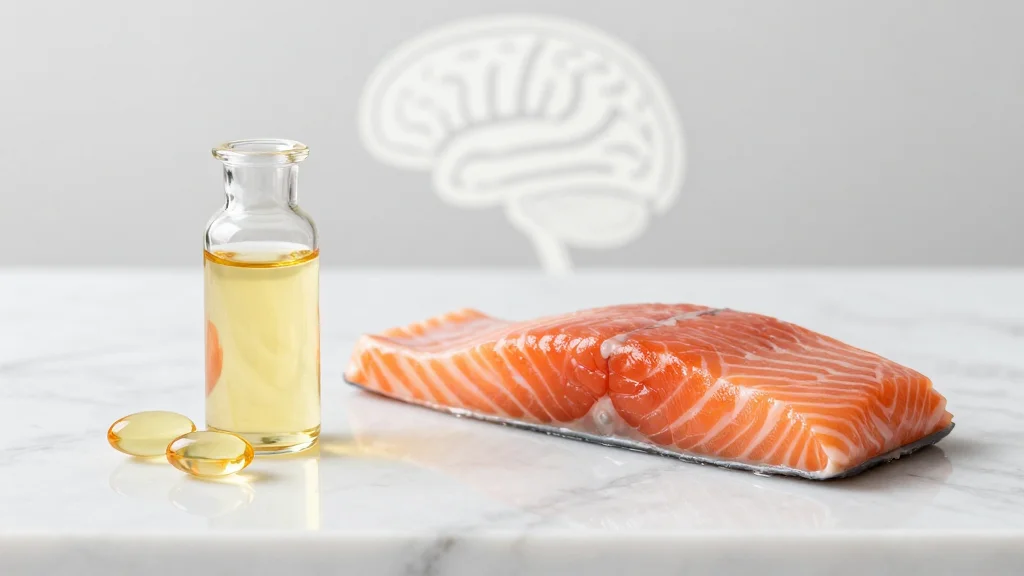
This Brain-Focused Nutrient Supports Cognitive Function & Longevity*
Docosahexaenoic acid (DHA), a key omega‑3 fatty acid, comprises the majority of the brain’s fat and is essential for neuronal membrane integrity, memory, and neuroprotection. Clinical studies link DHA intake to better problem‑solving in infants, improved cognition in school‑age children,...

10 Ingredients for Healthy Ageing – What Manufacturers Need to Know
As the global population ages, manufacturers must redesign foods to meet the nutritional needs of older adults. Ten key ingredients—protein, leucine, vitamin B12, vitamin D, calcium, omega‑3s, dietary fibre, potassium, magnesium, and adequate fluids—are essential for preserving muscle, bone, cognitive, and cardiovascular...
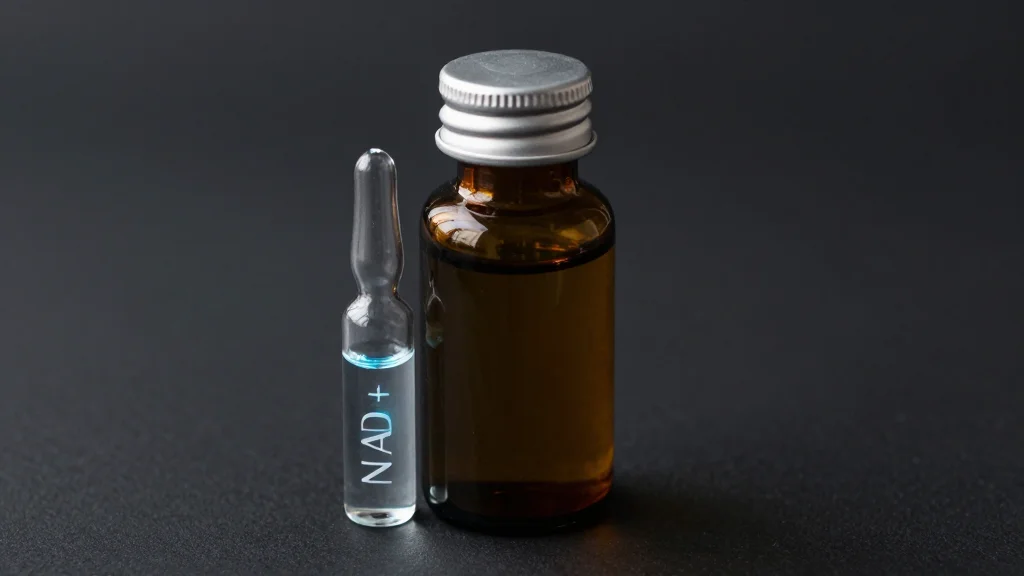
Marketers Say NAD+ Pills and Infusions Can Boost Longevity. What's the Evidence?
NAD+ supplements and IV infusions have become a booming segment of the wellness market, promising everything from anti‑aging effects to improved energy. While animal studies consistently show metabolic and mitochondrial benefits, human trials remain small and inconclusive, with modest improvements...
Merck, Amgen Double Down on Bad Cholesterol to Vanquish Number 1 Killer
Merck’s oral PCSK9 inhibitor enlicitide cut LDL‑C by 64.6% in an eight‑week Phase III trial, outperforming other oral non‑statin drugs. Updated ACC/AHA lipid guidelines now require LDL‑C < 55 mg/dL for ASCVD patients, leaving roughly 70% of statin users above target. The tighter goals...

This 800-Year-Old Chinese Exercise Helps Lower Blood Pressure Naturally
A large multicenter randomized trial published in JACC found that practicing baduanjin, an 800‑year‑old Chinese exercise, lowered systolic blood pressure as effectively as brisk walking. Over 216 adults with stage 1 hypertension performed the 10‑15‑minute routine five days a week, achieving...
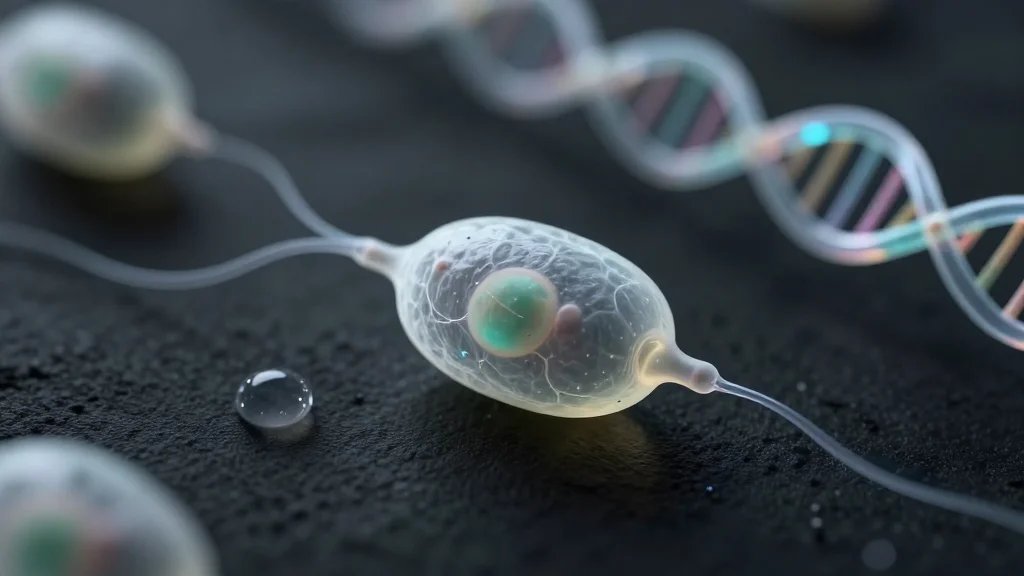
Reading Genetic Activity From Living Cells without Destroying Them
A team from Technical University of Munich and Helmholtz Munich unveiled Non‑destructive Transcriptomics via Vesicular Export (NTVE), a virus‑like particle system that extracts messenger RNA from living cells without lysing them. The extracted RNA can be sequenced, delivering transcriptome data...

Is Testosterone Therapy Safe and Effective? What We Know
A December FDA expert panel advocated expanding testosterone therapy beyond classic hypogonadism, branding it a multibillion‑dollar preventive‑care opportunity. Recent evidence, notably the 5,200‑patient TRAVERSE trial, found no rise in cardiovascular events among high‑risk men receiving therapeutic doses. However, high‑dose use—often...
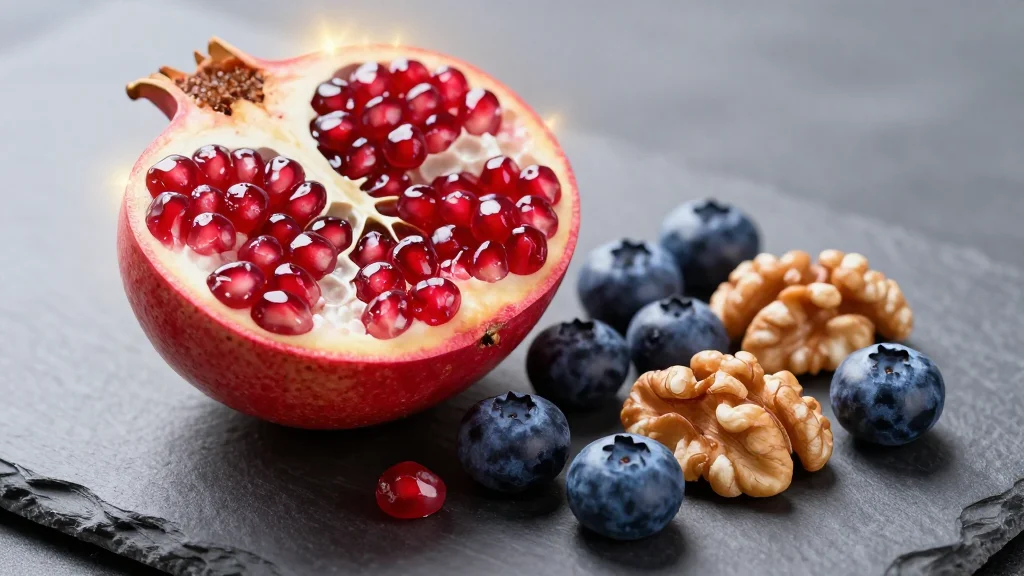
Why Neuroscientists Are Suddenly Interested In Strawberries & Walnuts
A recent scientific review highlights urolithins—metabolites produced by gut bacteria from ellagitannin‑rich foods such as pomegranates, berries and walnuts—as potential neuroprotective agents. Laboratory and animal studies show these compounds can cross the blood‑brain barrier, protect neurons from tau toxicity, reduce...

The 5 Biomarkers Every Adult Over 30 Should Be Tracking, Per A Longevity Expert
Florence Comité, MD, argues that conventional lab reference ranges mask early metabolic decline, so she recommends five optimal biomarkers for adults over 30. The targets include fasting glucose 70‑80 mg/dL, fasting insulin ≤5 μIU/mL, HbA1c under 5 %, a low cholesterol risk ratio, and...

Want to Live Longer or Be Happier? A Massive New Study Says It’s Something to Worry About
A new longitudinal study of 1.2 million adults followed for 20 years finds that chronic worry and negative affect significantly shorten lifespan and lower self‑reported happiness. Each additional hour of daily worry was linked to a 15 percent rise in mortality risk, translating...

Estrogen Deficiency Triggers Bone EVs Causing Cell Aging
Researchers have discovered that estrogen deficiency prompts bone cells to release extracellular vesicles (EVs) loaded with pro‑aging molecular cargo. These bone‑derived EVs travel through the bloodstream and induce cellular senescence in distant tissues, accelerating systemic aging. In mouse models, pharmacologic...
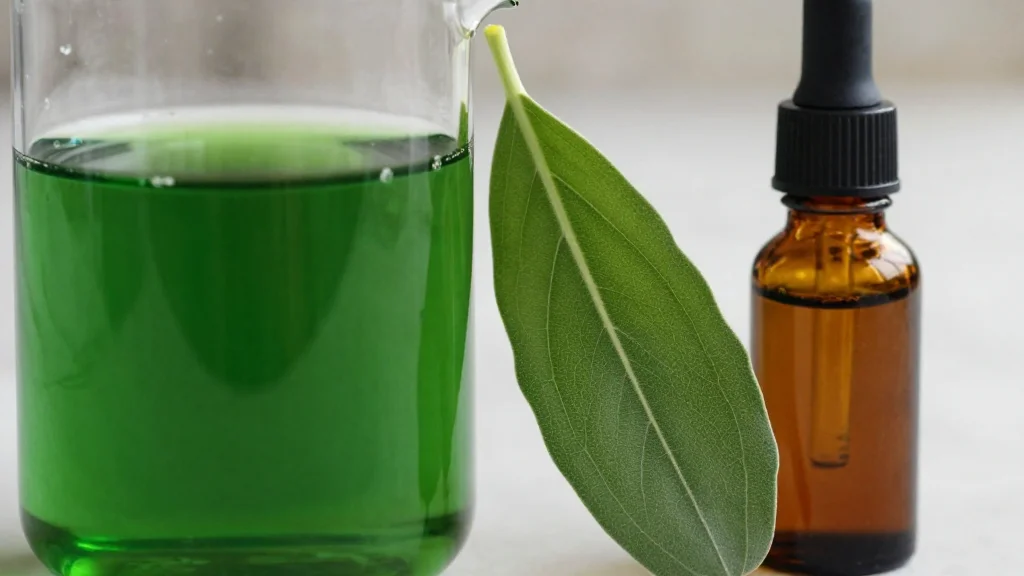
Antiglycation Potential of Launaea Taraxacifolia on Pentosidine- and Vesperlysine-Like Advanced Glycation End Products (AGEs)
Researchers evaluated a 70 % ethanol leaf extract of Launaea taraxacifolia for its ability to counteract advanced glycation end‑products (AGEs) linked to diabetic complications. Phytochemical analysis revealed notable levels of phenolics (7.27 mg GAE/100 mg) and flavonoids (11.03 mg QE/100 mg), and the extract showed...

These ‘Invisible’ Stressors May Be Accelerating Your Aging Process
A University of Edinburgh study of over 15,000 older adults introduced a "precarity index" that measures instability in finances, housing, food, energy costs, caregiving and relationships. The index predicted frailty—a key marker of biological aging—more accurately than traditional socioeconomic indicators...

New Brain Scan Index Detects Hidden Alzheimer’s Patterns Before Memory Loss Begins
Researchers at the University of Texas Health Science Center have introduced the Regional Vulnerability Index, a mathematical tool that evaluates standard MRI scans for Alzheimer’s‑like structural patterns. The index quantifies how closely an individual’s brain matches a disease blueprint, revealing...

10 Cancer-Prevention Habits Oncologists Do Every Day
Oncologists are modeling cancer‑prevention habits they recommend to patients, from cutting alcohol entirely to eating a plant‑forward diet rich in fiber. They aim for about 30 grams of fiber daily, cook at home, get 7‑9 hours of sleep, and incorporate strength...

This Engineer Spent 100 Days Underwater—And It Added 10 Years to His Life, He Claims
Biomedical engineer Joseph Dituri spent 100 days in a 22‑foot‑deep underwater chamber at 1.6 ATA, claiming dramatic health improvements. He reported weight loss, lower cholesterol, a seven‑fold testosterone boost, and doubled REM sleep. While Dituri sees the results as proof that...
Being Overweight May Lead to Faster Cognitive Decline
A 24‑year longitudinal study of more than 8,200 U.S. adults over 50 found that higher body‑mass index (BMI) accelerates cognitive decline, affecting memory, executive function and emotional regulation. Each unit increase in BMI was associated with a faster deterioration of...

Junyue Cao on How the Body Ages, Cell by Cell
Dr. Junyue Cao’s lab at Rockefeller University released the most extensive single‑cell epigenomic atlas of mammalian aging, profiling chromatin accessibility in roughly seven million cells from 21 mouse tissues at three life stages. The study identified about 1,800 distinct cell...

The Science Behind Social Media’s Peptide Obsession
Social media and Silicon‑Valley influencers are driving a surge in gray‑market peptide sales, from weight‑loss candidates like Eli Lilly’s experimental retatrutide to DIY stacks such as BPC‑157 and TB‑500. These compounds, often sold as “research‑only” powders for $130 a vial, bypass...

Eating Eggs Could Cut Alzheimer’s Risk by 27%
Researchers at Loma Linda University analyzed data from about 40,000 older adults over a 15‑year span and found that eating at least one egg per day was linked to a 27% lower risk of Alzheimer’s disease. Even modest consumption—1‑3 eggs...

Astellas Touts Data From Early Test of Stem Cell-Derived Eye Therapy
Astellas Pharma announced early-stage data from its stem cell‑derived retinal therapy, aimed at treating age‑related macular degeneration (AMD). In a small cohort receiving the highest dose, patients showed statistically significant gains in best‑corrected visual acuity and no serious safety signals....
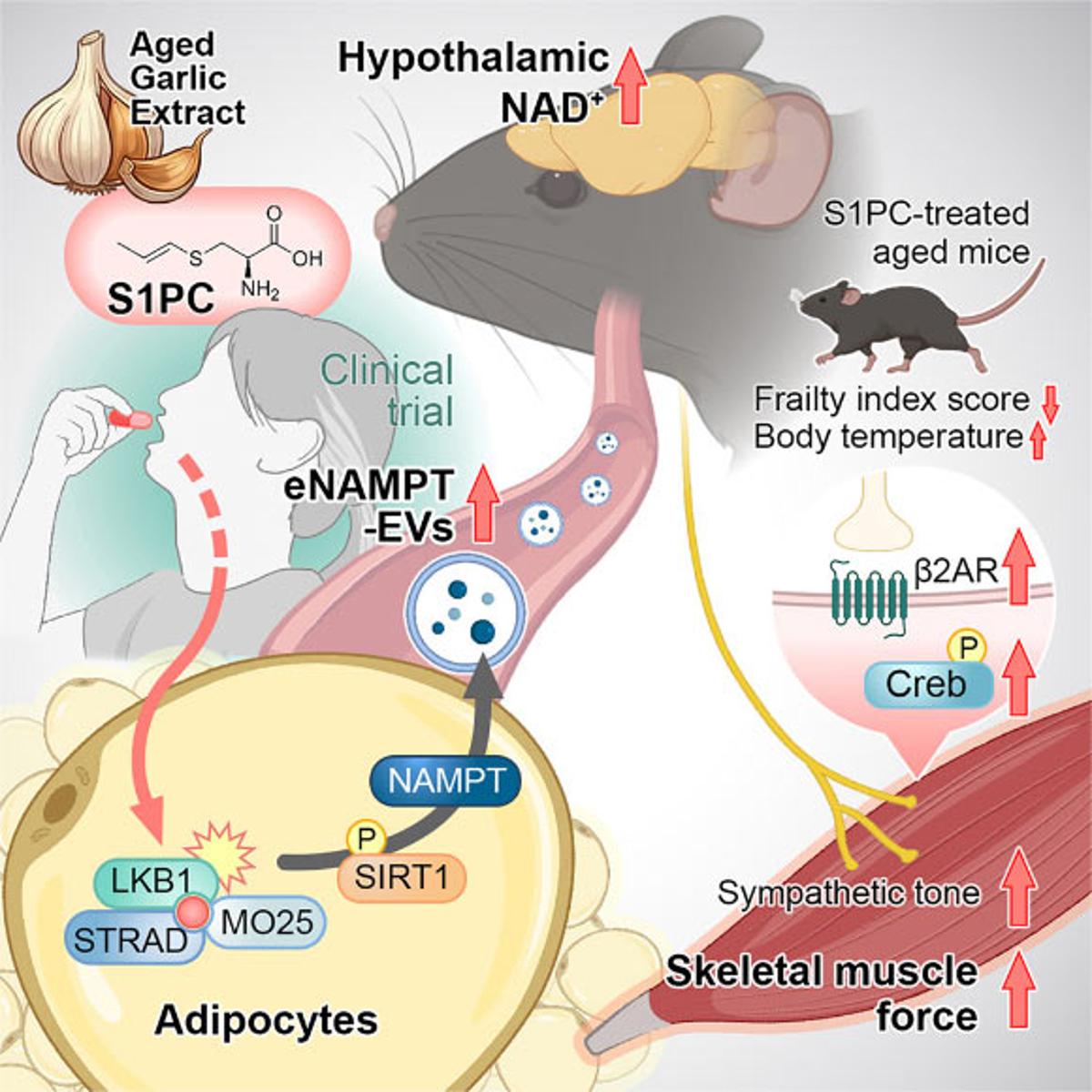
Garlic Compound May Hold Clue to Slowing Muscle Aging
Japanese researchers identified S‑1‑propenyl‑L‑cysteine (S1PC), a compound in aged garlic extract, as a potent activator of the LKB1 enzyme that boosts eNAMPT secretion and NAD+ production. In aged mice, long‑term S1PC supplementation lowered frailty scores, increased muscle force, and restored...
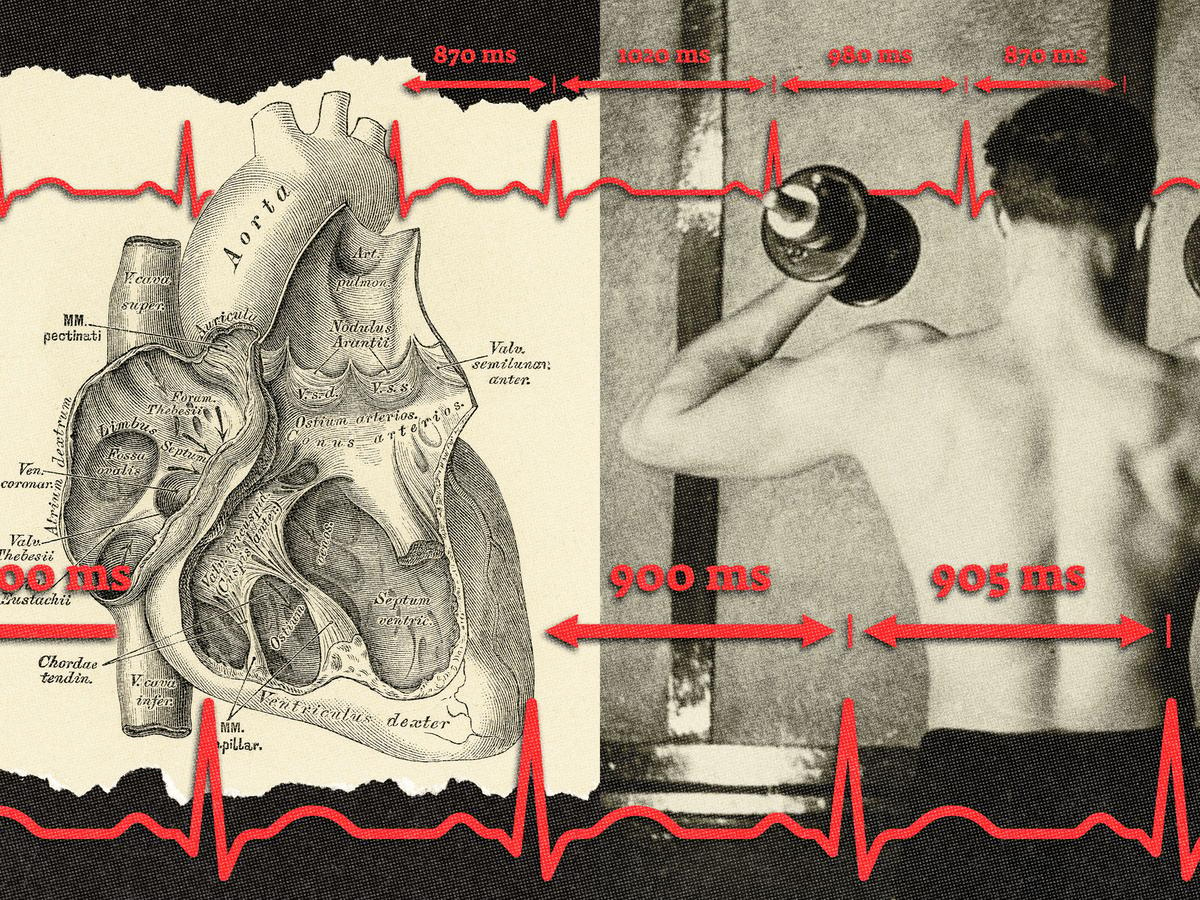
Why HRV Is the New Longevity Obsession
Heart rate variability (HRV) has moved from elite‑sports labs to mainstream wellness apps, with devices like Oura, WHOOP, Garmin and Eight Sleep reporting daily scores to millions of users. The metric, once a clinical predictor of post‑heart‑attack mortality, is now...

Just ‘Stay Alive for the Next 10 Years’ – Anti-Ageing Drugs Are Coming, Says Billionaire Investor
Billionaire investor Jim Mellon told attendees at Spear’s 500 Live that the first truly anti‑ageing drugs could hit the market within a decade. He highlighted clinical‑stage senolytics, partial genetic reprogramming and repurposed weight‑loss medicines as the leading candidates to halt...

Longevity Fanatics Are Seeking Out Stem Cells—But Is It Safe?
Stem‑cell clinics are expanding from medical treatment into high‑priced wellness and anti‑aging services, offering injections of mesenchymal cells, Wharton’s jelly, and MUSE pluripotent cells. Celebrities such as Cristiano Ronaldo and the Kardashians have popularized these unapproved therapies, prompting a surge in...

Unlocking Lithium’s Hidden Effects on Alzheimer’s Disease at the Cellular Level
A University of Eastern Finland team mapped lithium chloride’s cellular actions in Alzheimer’s models, showing it reduces Tau hyperphosphorylation at several key sites and reshapes kinase and Rho GTPase signaling. Phosphoproteomic analysis revealed lithium’s impact extends beyond the primary GSK‑3β...
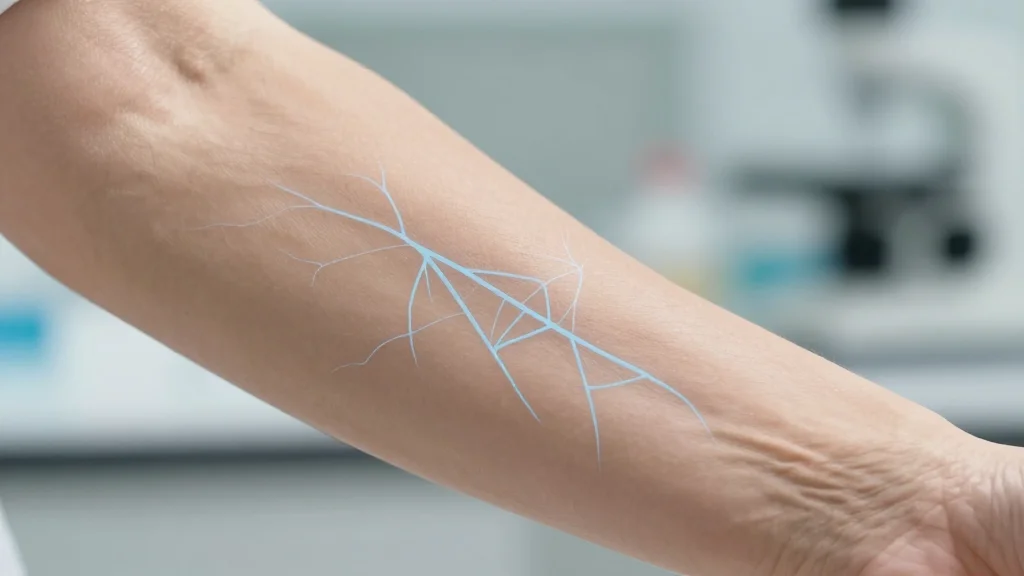
A French Perspective on Ageing Well: Systems Biology and the Future of Skin Health
The 10th Anti‑Ageing Skin Care Conference in London will spotlight systems biology as a new framework for skin health. Dr. Katerina Steventon highlights a French‑inspired, holistic view that treats skin as a read‑out of internal wellbeing rather than a surface...

Scientists Find a Way to Stop Dangerous Belly Fat as We Age
Scientists discovered that a topical testosterone gel, combined with exercise, can selectively reduce visceral fat in older women recovering from hip fractures. In a six‑month trial of 66 participants aged 65 and above, overall body weight stayed stable while the...

In a First, Scientists Are Rewinding Human Cells Back to a ‘Youthful’ State. Is This the Dawn of Immortality?
Scientists are advancing partial cellular reprogramming to reverse age‑related decline while preserving cell identity. YouthBio Therapeutics is preparing a first‑in‑human trial of its brain‑targeted YB002 program for Alzheimer’s after receiving FDA feedback. Parallel efforts such as Life Biosciences’ ER‑100 aim...

A New Kind of CRISPR Could Treat Viral Infection and Cancer by Shredding Sick Cells' DNA
Researchers have engineered a novel CRISPR protein, Cas12a2, that acts as a molecular shredder, destroying DNA in cells that express a specific RNA trigger. In vitro, Cas12a2 cut the growth of KRAS‑mutant lung‑cancer cells by 50% and eliminated over 90%...

Healthy Ageing Beyond the Wrinkle: 4 Big Opportunities in Food and Drink
The healthy ageing trend is moving from beauty products into mainstream food and drink, driven by an aging population and rising chronic‑disease awareness. Nestlé’s launch of a longevity‑focused drinks line targets a projected $43.1 bn (≈ $39.5 bn) elderly nutrition market by 2032....

Want to Live a Little Longer? A Huge New Harvard Study Says You Should Make This Tweak to Your Exercise...
A new Harvard T.H. Chan School of Public Health analysis of 30 years of health data from more than 100,000 adults finds that people who engage in a wider range of physical activities enjoy a 19% lower risk of death....
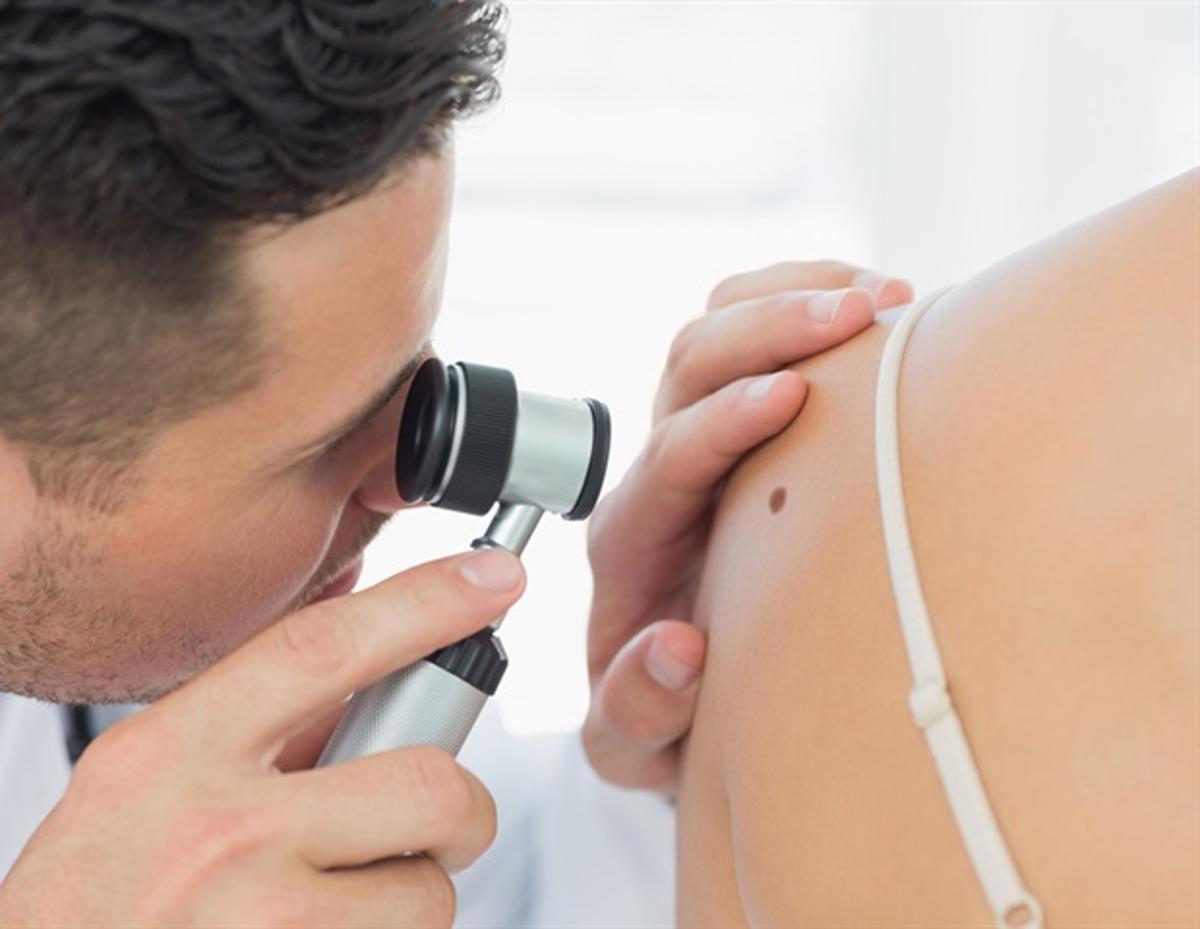
Chronic Sunlight Exposure Disrupts Body Clocks in Skin
A joint study by the University of Manchester, No7 Beauty Company and the University of Pennsylvania reveals that chronic ultraviolet exposure weakens the skin's circadian gene rhythms, especially those governing DNA repair. Researchers collected paired biopsies from sun‑exposed forearms and...
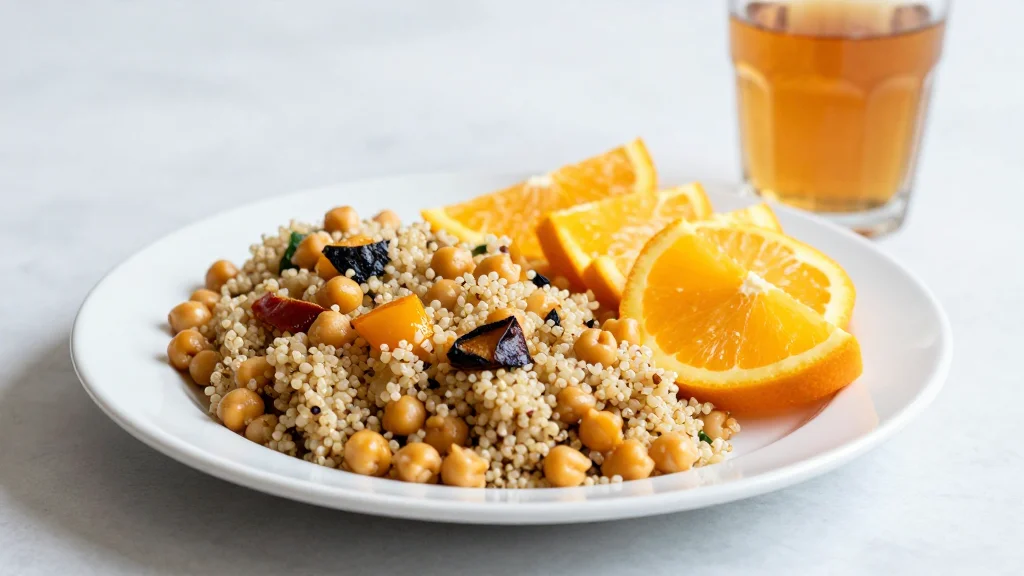
One Month Of These Simple Diet Shifts Can Reduce Your Biological Age
A recent study of 104 adults aged 65 to 75 found that four weeks of high‑carbohydrate or semi‑vegetarian diets can noticeably lower KDM‑derived biological‑age scores. Participants on an omnivorous high‑carb plan outperformed those on a high‑fat regimen, while semi‑vegetarian groups...
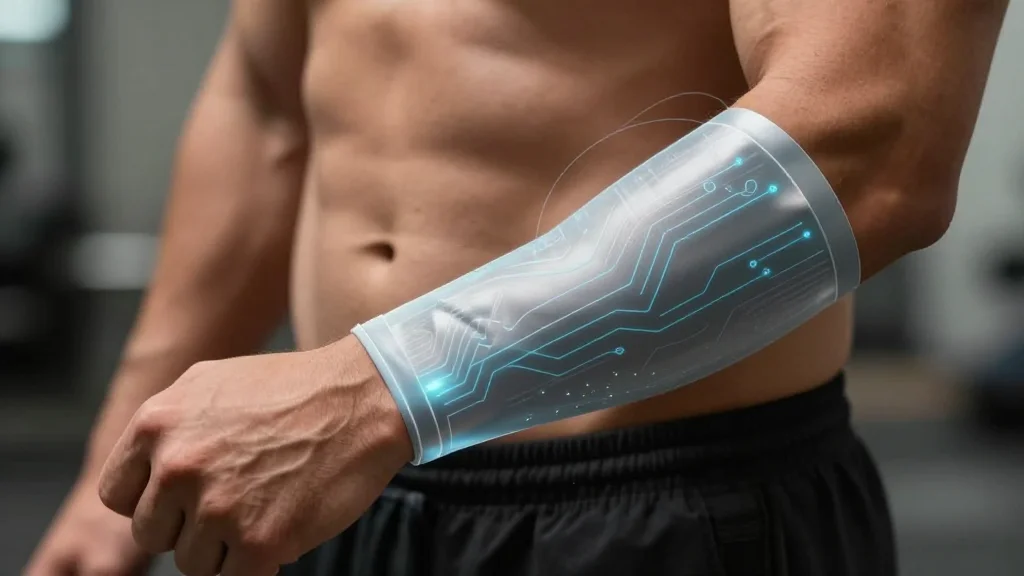
The Longevity Secrets Helping Athletes Blow Past the Limits of Age
Athletes are redefining age limits by embracing advanced recovery tools such as red‑light therapy, compression sleeves, and personalized nutrition. High‑profile examples include 38‑year‑old WNBA star Alysha Clark, 44‑year‑old NFL quarterback Aaron Rodgers, and 43‑year‑old pitcher Justin Verlander, who recently signed...
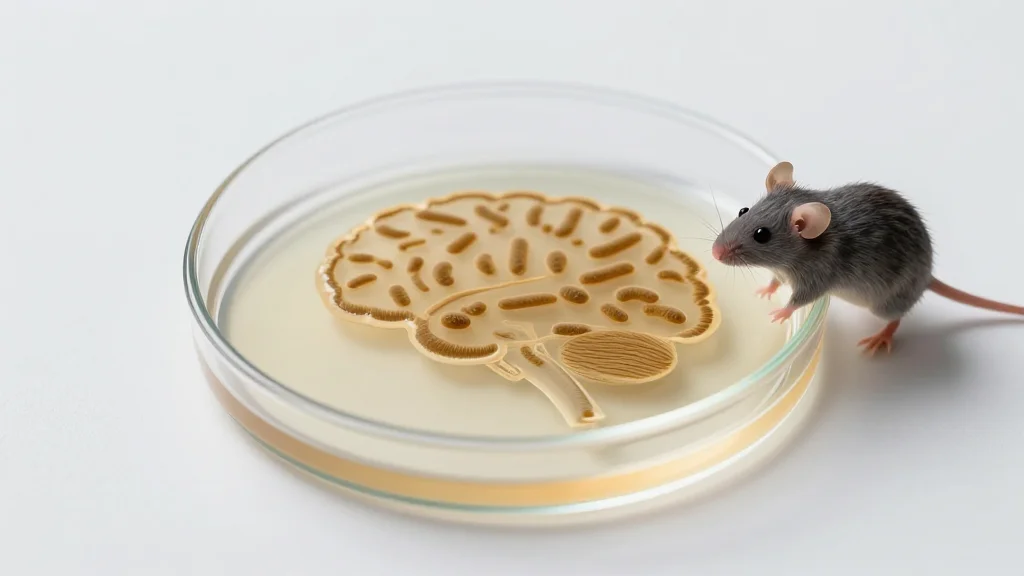
How Gut Bacteria Could Trigger Memory Loss as We Age
Researchers at the Arc Institute have shown that age‑related changes in the gut microbiome can directly impair memory. By co‑housing young and old mice, they demonstrated that exposure to an older microbiome caused young mice to lose performance on object‑recognition...
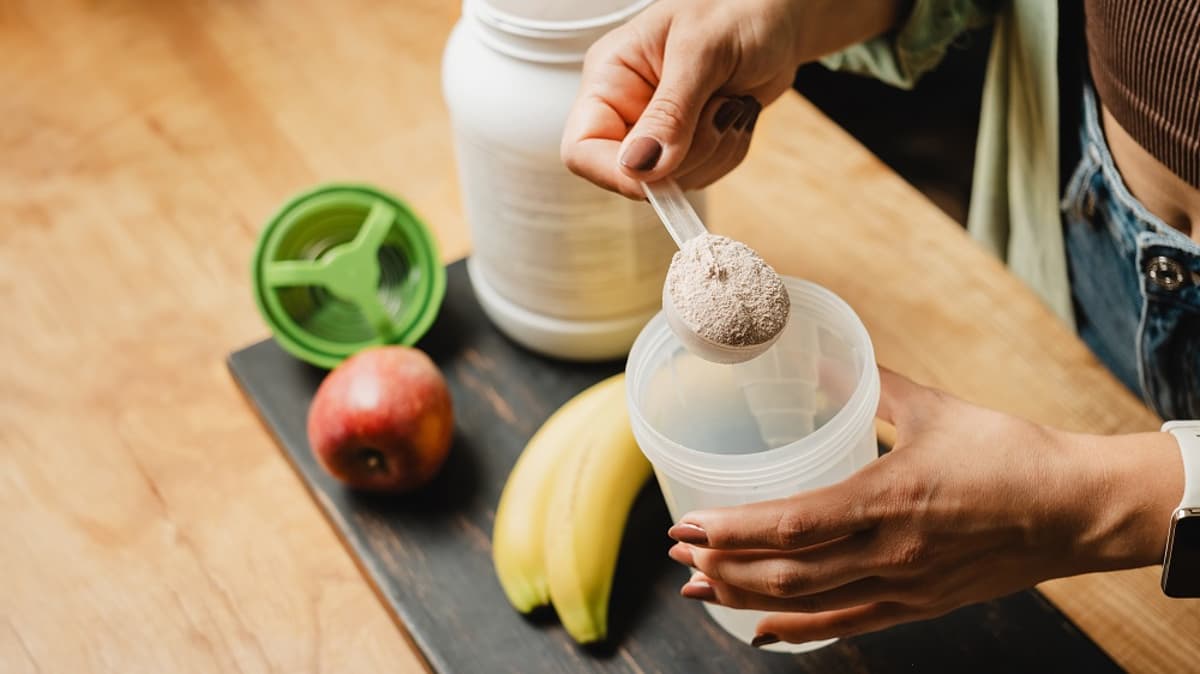
Creatine Shows Synergy With Exercise in Older Adults
Researchers in Spain examined whether creatine supplementation enhances high‑load, velocity‑intentional resistance training (HL‑VIRT) in adults around age 68. Over 16 weeks, participants who combined creatine with either elastic‑band or aquatic power training showed larger increases in brain‑derived neurotrophic factor, greater...

Man Destined for Alzheimer's May Have Been Saved by Accidental Therapy
A U.S. mechanic with a hereditary Presenilin 2 mutation, which normally guarantees early‑onset Alzheimer’s, has so far avoided the disease. Researchers suspect his inadvertent exposure to extreme heat in ship engine rooms may have triggered protective biological responses. The case aligns...
Man Destined to Get Alzheimer’s Saved by Accidental Heat Therapy
Doug Whitney, who carries the high‑risk Presenilin 2 mutation that typically triggers early‑onset Alzheimer’s in the late 40s, has remained symptom‑free into his 50s. Researchers suspect his prolonged exposure to extreme heat while working as a ship‑engine mechanic provided an accidental...