Why Neuroscientists Are Suddenly Interested In Strawberries & Walnuts
Why It Matters
Urolithins connect diet, gut microbiome diversity, and brain aging, offering a novel, nutrition‑based avenue for Alzheimer’s prevention and cognitive resilience.
Key Takeaways
- •Urolithins are gut‑derived metabolites of ellagitannin‑rich foods.
- •They cross the blood‑brain barrier and target Alzheimer pathways.
- •Production varies by individual microbiome composition.
- •Diverse fiber and fermented foods boost urolithin generation.
Pulse Analysis
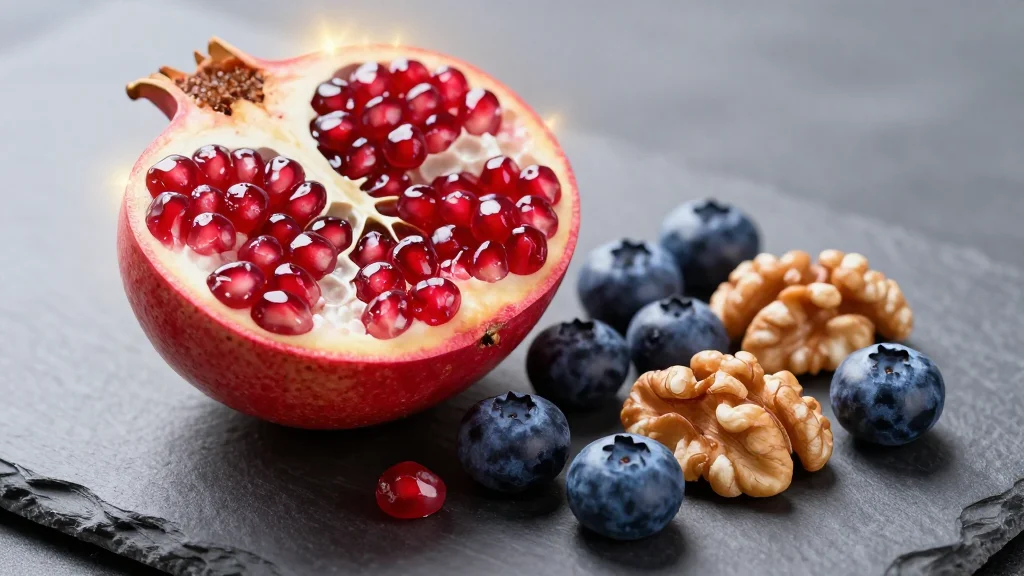
Recent scientific reviews are drawing attention to a little‑known class of gut‑derived metabolites called urolithins. Formed when intestinal bacteria break down ellagitannins—polyphenols abundant in pomegranates, strawberries, raspberries, blackberries and walnuts—urolithins have demonstrated the ability to cross the blood‑brain barrier in pre‑clinical models. Laboratory and animal studies suggest they can protect neurons from tau‑related toxicity, dampen neuroinflammation, act as antioxidants, and stimulate mitophagy, a cellular cleanup process linked to Alzheimer’s disease. This mechanistic portfolio positions urolithins as promising neuroprotective agents.
The effectiveness of urolithin production hinges on the composition of an individual’s gut microbiome, creating a natural variability in potential brain benefits. People classified as “Urolithin producers” harbor bacterial strains such as Gordonibacter that efficiently convert ellagitannins, whereas others generate minimal amounts. This inter‑person difference fuels interest in personalized nutrition and microbiome‑targeted therapies, with researchers exploring probiotic formulations and dietary fiber regimens to standardize urolithin output. Early‑phase clinical trials are now assessing cognitive endpoints in older adults supplemented with urolithin‑A, the most bioactive metabolite.
From a consumer standpoint, the practical takeaway is simple: incorporate ellagitannin‑rich foods such as pomegranate seeds, mixed berries and walnuts while nurturing a diverse, fiber‑laden microbiome. Nutritionists recommend a daily mix of soluble and insoluble fibers, fermented dairy or plant‑based probiotics, and limited ultra‑processed snacks to favor urolithin‑producing bacteria. The food industry is already responding, with several brands launching “brain‑health” snack bars fortified with pomegranate extract and walnut pieces. As human trials clarify dosage and safety, urolithins could become a cornerstone of preventive strategies against age‑related cognitive decline.
Why Neuroscientists Are Suddenly Interested In Strawberries & Walnuts
Comments
Want to join the conversation?
Loading comments...