What Brazilian Supercentenarians Can Teach Us About Living To 110
Why It Matters
The findings show that longevity can be driven by innate biology and everyday habits, informing global health strategies and biotech targets for extending healthspan without costly interventions.
Key Takeaways
- •Brazilian supercentenarians keep protein quality control similar to young adults
- •Their immune cells remain functional, showing adaptive resilience with age
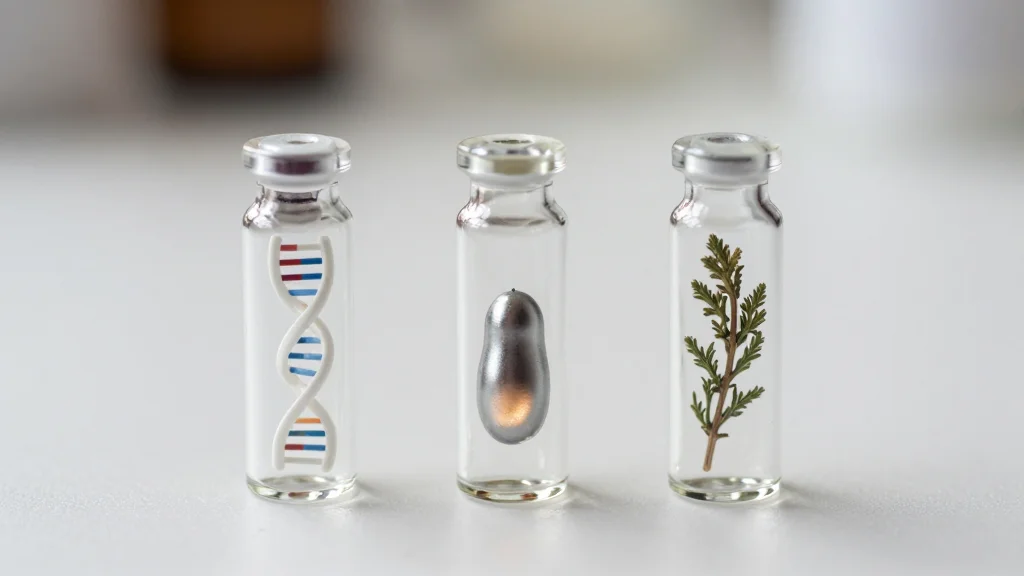
- •Rare gene variants support DNA repair, mitochondrial health, and immune regulation
- •Daily low‑intensity movement and muscle maintenance correlate with longer healthspan
- •Study offers non‑clinical targets for extending healthspan worldwide
Pulse Analysis
Brazil’s unusually high concentration of centenarians has turned the country into a natural laboratory for longevity research. Unlike cohorts in wealthier nations, many of these elders grew up without regular access to advanced medical care, allowing scientists to isolate factors that operate independently of modern interventions. The nation’s mosaic of Indigenous, African, European, and Japanese ancestry also enriches its genomic landscape, filling gaps that homogeneous populations leave in global databases. By studying over a hundred individuals—including twenty supercentenarians—researchers are building a reference set that could reshape how we define healthy aging.
The first striking discovery is the preservation of cellular housekeeping mechanisms. Supercentenarians maintain autophagy and proteasome activity at levels comparable to people decades younger, preventing the buildup of damaged proteins that typically fuels inflammation and neurodegeneration. Their immune systems, rather than succumbing to senescence, display adaptive profiles that keep infections at bay and modulate chronic inflammation. Genetic analysis adds another layer, revealing rare variants that bolster DNA repair, mitochondrial efficiency, and immune regulation. These three pillars—protein quality control, resilient immunity, and supportive genetics—appear to work in concert, creating a biological buffer against age‑related decline.
For policymakers and biotech firms, the Brazilian findings suggest that extending healthspan may not require expensive therapies alone. Interventions that mimic enhanced autophagy, bolster immune adaptability, or target the identified gene pathways could be pursued alongside public‑health strategies that promote muscle maintenance, steady physical activity, and metabolic balance. Meanwhile, individuals can adopt low‑intensity movement routines and prioritize nutrition that supports cellular repair. As the global population ages, translating these naturally occurring mechanisms into scalable solutions could reduce chronic disease burden and reshape the economics of elder care.
What Brazilian Supercentenarians Can Teach Us About Living To 110
Comments
Want to join the conversation?
Loading comments...