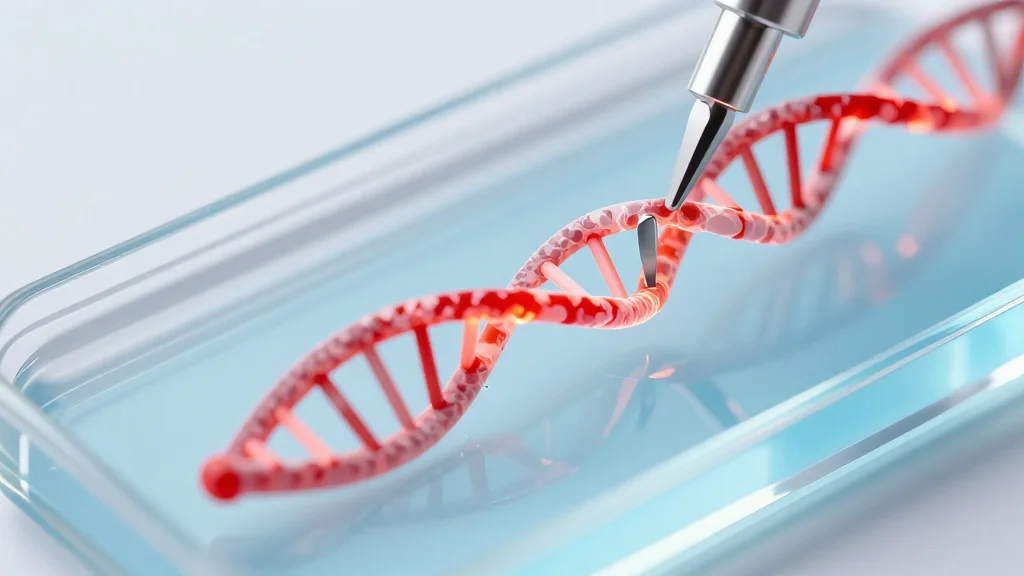
A New Kind of CRISPR Could Treat Viral Infection and Cancer by Shredding Sick Cells' DNA
Why It Matters
Cas12a2 offers a precision cell‑killing platform that could treat cancers and viral infections without the collateral damage of chemotherapy or antivirals, representing a paradigm shift in gene‑based therapeutics. Its ability to selectively eradicate diseased cells could accelerate development of curative treatments for hard‑to‑treat conditions.
Key Takeaways
- •Cas12a2 shreds DNA, killing targeted cells while sparing healthy ones
- •Reduced KRAS‑mutant lung cancer cell growth by 50% in vitro
- •Achieved >90% kill of HPV‑infected cells without harming normal cells
- •Demonstrated tumor‑growth slowdown in HPV‑infected mice using Cas12a2
- •Delivery and safety remain major hurdles before clinical use
Pulse Analysis
The CRISPR landscape has been dominated by gene‑editing tools like Cas9, which cut DNA at precise locations to correct mutations. Cas12a2, a newly characterized CRISPR effector, flips the script by acting as a programmable DNA shredder that is activated only when it encounters a predefined RNA sequence. This RNA‑triggered mechanism enables researchers to target diseased cells—such as those harboring oncogenic mutations or viral genomes—while sparing normal tissue, a capability that could redefine therapeutic selectivity.
In laboratory studies, Cas12a2 demonstrated striking efficacy against two high‑impact disease models. When programmed to recognize a KRAS mutation common in lung cancer, the enzyme reduced tumor‑cell proliferation by roughly half, matching the performance of standard chemotherapeutics like cisplatin but without observable toxicity to wild‑type cells. In parallel, Cas12a2 engineered to bind HPV RNA eradicated more than 90% of infected cells and, when delivered to HPV‑positive tumors in mice, slowed tumor expansion. These results suggest a versatile platform that could be adapted to a broad spectrum of viral infections, including HIV, and to cancers driven by distinct genetic lesions.
Despite its promise, Cas12a2 faces substantial translational barriers. Efficiently delivering the bulky protein to target tissues, ensuring it remains inert until activation, and confirming long‑term safety are unresolved challenges. Moreover, immune responses to foreign CRISPR proteins could complicate systemic administration. Ongoing work will need to address pharmacokinetics, off‑target effects, and regulatory pathways before clinical trials can commence. If these hurdles are overcome, Cas12a2 could usher in a new class of precision therapeutics that eliminate harmful cells without the side effects that have limited existing treatments.
A new kind of CRISPR could treat viral infection and cancer by shredding sick cells' DNA
Comments
Want to join the conversation?
Loading comments...