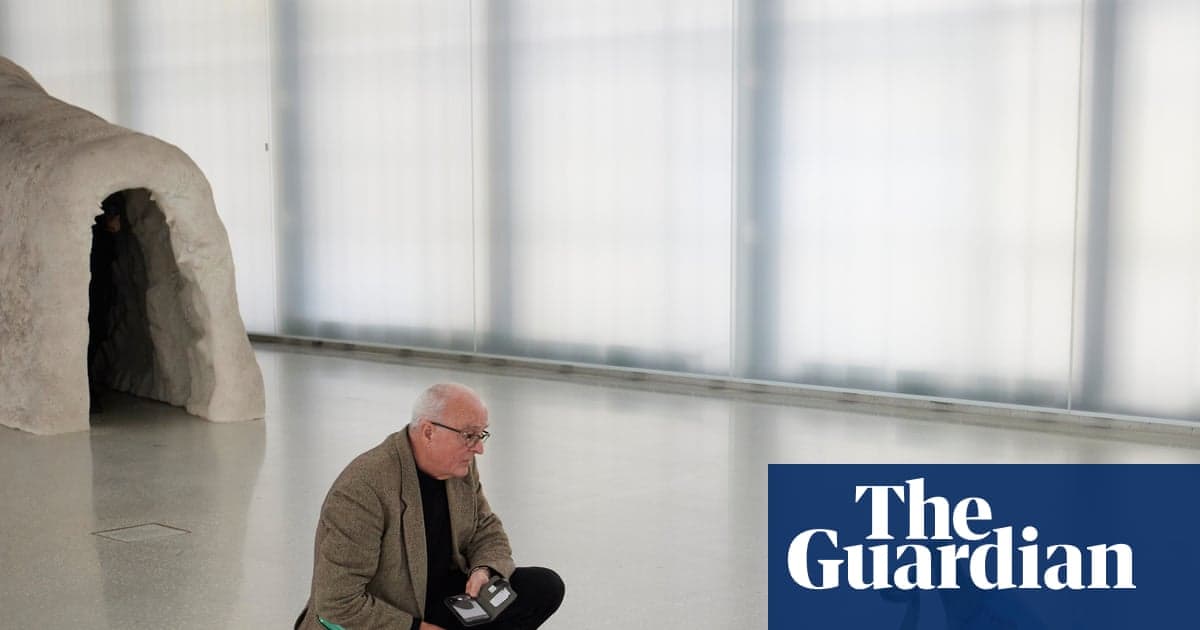
Arts and Cultural Engagement ‘Linked to Slower Pace of Biological Ageing’
Why It Matters
Slower biological aging translates into reduced risk of chronic disease, offering a low‑cost lever for health policymakers. Integrating arts access into preventive health programs could enhance population wellbeing without major infrastructure investment.
Key Takeaways
- •Arts participation correlates with reduced epigenetic age acceleration.
- •Both active creation and passive viewing lower biological aging markers.
- •Study analyzed 10,000 UK adults, adjusting for lifestyle and socioeconomic factors.
- •Results imply cultural programs could serve as low‑cost public‑health tools.
- •Policymakers may embed arts access in preventive health agendas.
Pulse Analysis
The science of aging has shifted from counting calendar years to measuring molecular signatures, known as epigenetic clocks, that estimate biological age. These clocks capture cumulative effects of lifestyle, environment, and stress on DNA methylation patterns. In recent years, researchers have linked exercise, diet, and sleep to slower epigenetic aging, but cultural engagement has remained underexplored until now.
UCL’s latest study leveraged data from over 10,000 UK adults, pairing detailed questionnaires about museum visits, singing, and painting with blood‑based epigenetic measurements. After adjusting for confounders such as physical activity, smoking, and income, participants who reported regular arts involvement exhibited an average epigenetic age that was 1.5 to 2 years younger than their less‑engaged peers. Notably, the effect persisted for both creators—those who sang or painted—and observers who attended exhibitions, underscoring a broad benefit across artistic modalities.
The policy implications are significant. If cultural participation can modestly decelerate biological aging, governments and health insurers might view subsidized museum tickets, community choirs, and public art programs as preventive health investments. Such interventions are relatively inexpensive compared with traditional medical treatments and could alleviate future burdens of age‑related diseases. Moreover, the findings open avenues for interdisciplinary research, inviting collaboration between neuroscientists, urban planners, and economists to quantify the long‑term cost savings of a more culturally engaged society.
Arts and cultural engagement ‘linked to slower pace of biological ageing’
Comments
Want to join the conversation?
Loading comments...