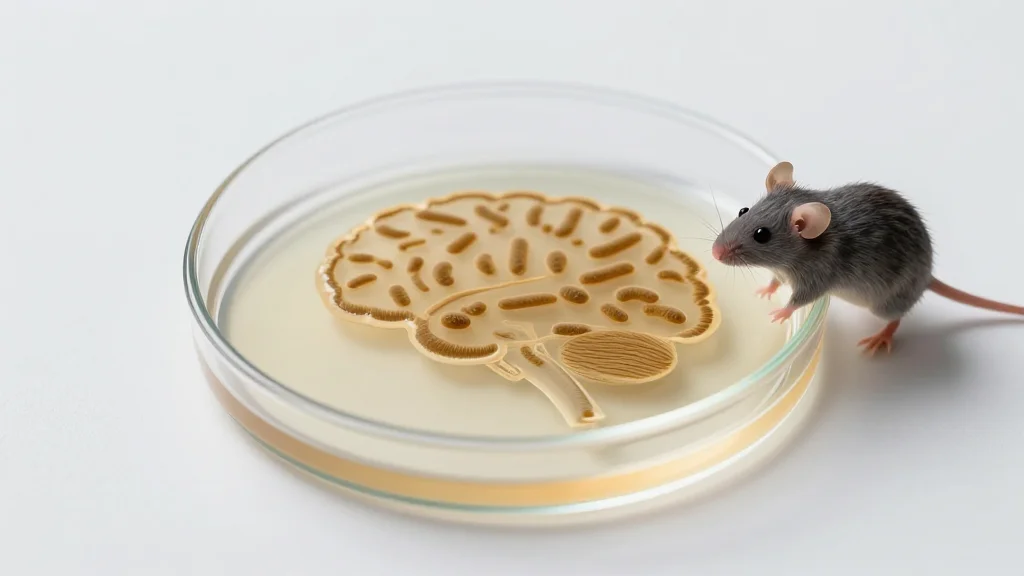
How Gut Bacteria Could Trigger Memory Loss as We Age
Why It Matters
The findings link gut microbial composition to age‑related cognitive decline, opening a potential avenue for interventions that modify the microbiome or block inflammatory signaling. This could reshape strategies for preventing or treating memory loss in an aging population.
Key Takeaways
- •Older mouse microbiome induces memory loss in young mice within one month.
- •Germ‑free mice develop cognitive deficits after receiving aged gut bacteria.
- •Parabacteroides goldsteinii linked to age‑related inflammatory fatty acids.
- •Inflammatory signals travel via immune cells and vagus nerve to hippocampus.
- •Targeting gut‑brain pathways may offer new treatments for age‑related decline.
Pulse Analysis
The gut‑brain axis has moved from a niche curiosity to a central theme in neuroscience, with dozens of studies linking microbial metabolites to mood, immunity, and neurodegeneration. While earlier work established that the microbiome shifts with age, the Arc Institute’s recent Nature paper provides the first causal evidence that these shifts can directly impair memory. By leveraging the natural coprophagic behavior of mice, the researchers created a rapid model in which young animals adopted an aged microbial profile, revealing a clear behavioral decline.
In the experimental series, young mice housed with older counterparts lost their preference for novel objects after just four weeks, mirroring the performance of senior mice. Germ‑free mice, raised without any microbiota, remained cognitively intact until they were inoculated with fecal material from aged donors, at which point memory deficits emerged. Metagenomic analysis singled out Parabacteroides goldsteinii, a bacterium that produces medium‑chain fatty acids known to trigger gut inflammation. These inflammatory cues travel through immune cells and the vagus nerve, reaching the hippocampus and disrupting synaptic plasticity, the neural substrate of memory.
If these mechanisms translate to humans, they could revolutionize how clinicians approach age‑related cognitive decline. Interventions might range from targeted probiotics or dietary regimens that suppress harmful metabolites, to neuromodulation techniques such as vagus nerve stimulation that interrupt inflammatory signaling. Pharmaceutical pipelines are already exploring microbiome‑derived metabolites as drug targets, and the growing market for cognitive‑health supplements could see a shift toward scientifically validated, microbiome‑focused products. Ongoing human trials will be critical to confirm whether modulating gut bacteria can preserve memory in the elderly, potentially adding a new pillar to preventive neurology.
How gut bacteria could trigger memory loss as we age
Comments
Want to join the conversation?
Loading comments...