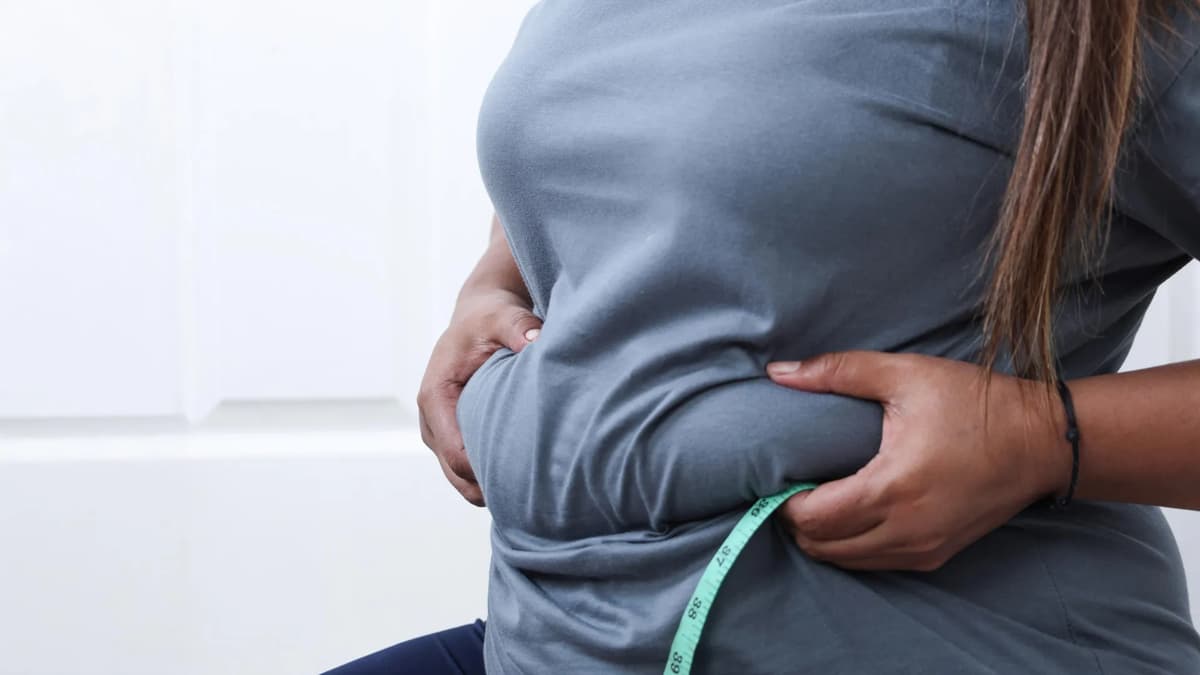
Scientists Find a Way to Stop Dangerous Belly Fat as We Age
Why It Matters
Targeted reduction of visceral fat can improve recovery outcomes and long‑term health for older women, a demographic at high risk of frailty and chronic disease. The study opens a potential therapeutic avenue that goes beyond generic weight loss, addressing the specific metabolic challenges of aging.
Key Takeaways
- •Testosterone gel reduced visceral fat in older women post‑hip fracture
- •Overall body weight remained unchanged despite targeted fat redistribution
- •Exercise alone did not prevent visceral fat increase during recovery
- •Study involved 66 women aged 65+ with recent hip fractures
- •Findings suggest hormone therapy could improve aging health outcomes
Pulse Analysis
Visceral fat, the deep‑lying abdominal tissue surrounding organs, is a well‑known driver of cardiovascular disease, insulin resistance, and reduced mobility in older adults. While traditional weight‑loss programs focus on overall mass, they often sacrifice lean muscle, which is crucial for maintaining strength and independence. Hormonal shifts, particularly declines in testosterone and estrogen, alter how the body stores fat, prompting a redistribution toward the visceral compartment. Understanding this endocrine‑fat axis is essential for clinicians seeking interventions that protect metabolic health without compromising muscle mass.
The recent clinical trial led by Jacob Earp at the University of Iowa examined whether a daily application of testosterone gel could counteract this age‑related fat shift. Sixty‑six women over 65, all recovering from hip fractures—a leading cause of disability in seniors—participated in a structured exercise regimen. Half received the hormone gel, while the other half did not. After six months, dual‑energy X‑ray absorptiometry scans revealed that the testosterone group maintained stable overall weight but achieved a measurable reduction in visceral fat, whereas the control group’s abdominal fat increased despite identical exercise protocols. These results suggest that hormone supplementation can fine‑tune body composition beyond what physical activity alone can accomplish.
If replicated in larger, diverse cohorts, testosterone‑based therapy could become a cornerstone of geriatric rehabilitation, offering a dual benefit of preserving muscle while trimming harmful belly fat. Such an approach aligns with the growing emphasis on personalized medicine, where treatments are tailored to the hormonal and metabolic profiles of older patients. Pharmaceutical firms may see a market opportunity in developing age‑specific hormone delivery systems, while insurers could consider coverage for interventions that demonstrably reduce long‑term healthcare costs associated with frailty and chronic disease. Future research should explore optimal dosing, safety in women with varying health histories, and the interplay with other hormones like estrogen and growth‑factor pathways.
Scientists find a way to stop dangerous belly fat as we age
Comments
Want to join the conversation?
Loading comments...