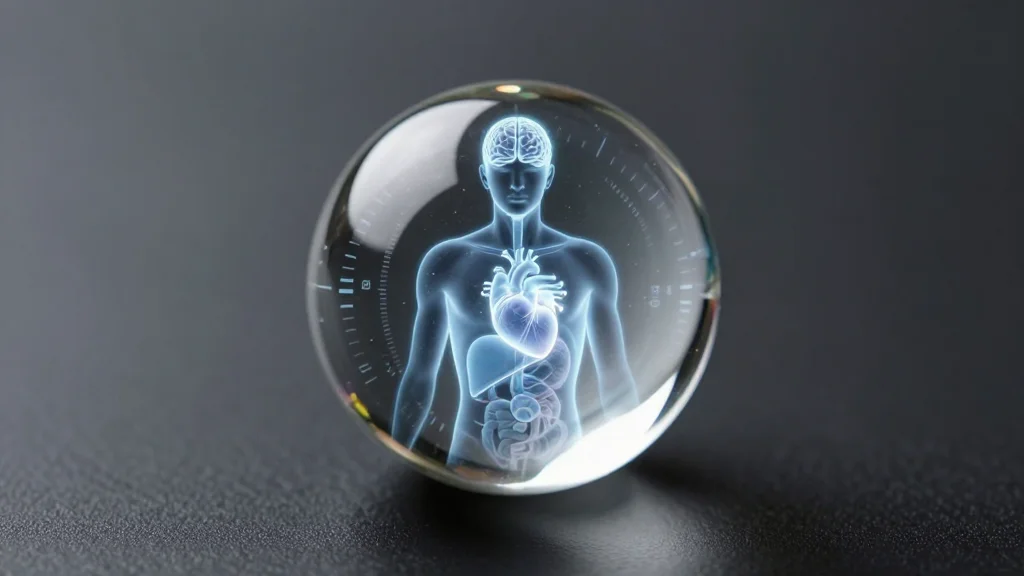
Digital Aging Twin Measures How Organs Age at Different Speeds Across Adulthood
Why It Matters
The Digital Aging Twin transforms aging research from descriptive biomarkers to actionable predictions, offering clinicians a quantifiable way to target organ‑specific decline and test anti‑aging therapies. Its scalable proxy clocks could soon become routine diagnostics, reshaping preventive health strategies and pharmaceutical pipelines.
Key Takeaways
- •Digital Aging Twin uses 240 metrics from 2,019 Chinese adults.
- •Tier‑2 multimodal clock predicts age with 3.87‑year MAE.
- •Liver coagulation factor F13B identified as driver of systemic aging.
- •Simplified proxy clocks rely on 100‑108 plasma proteins for clinical use.
- •Fruit intake, regular sleep, and walking linked to slower aging.
Pulse Analysis
The emergence of digital twins in biomedicine marks a pivotal shift toward precision gerontology. By aggregating clinical, imaging, and multi‑omics data from a nationally representative Chinese cohort, the Aging Biomarker Consortium created a massive, billion‑point dataset that fuels a three‑tiered aging clock system. The core capacity clock captures overall functional decline, while the multimodal deep‑learning tier integrates DNA methylation, transcriptomics, proteomics, metabolites, and microbiome signatures to predict chronological age with sub‑four‑year error—outperforming traditional single‑omics models. Organ‑specific clocks further reveal that aging is not uniform; liver health wanes in the early 40s, whereas brain degeneration accelerates a decade later, highlighting windows for targeted interventions.
Beyond measurement, the study uncovers mechanistic insight by pinpointing liver‑derived coagulation factors—especially F13B—as active drivers of vascular senescence. Experimental exposure of human endothelial cells and mouse models to F13B induced hallmark aging phenotypes, including inflammation and tissue remodeling. This causal link reframes coagulation pathways from passive biomarkers to therapeutic targets, opening avenues for drug development aimed at modulating the coagulation cascade to decelerate systemic aging. The identification of such drivers underscores the value of integrating proteomic data with functional outcomes in large‑scale human studies.
Translational impact hinges on the newly devised proxy clocks, which distill the complex model into a 100‑108 protein panel suitable for routine blood tests. Coupled with lifestyle correlations—greater fruit intake, consistent sleep, and moderate walking—these tools promise individualized aging dashboards for clinicians and consumers alike. As part of China’s national X‑Age Project, the framework will be refined with longitudinal data and expanded to diverse populations, potentially setting a global standard for biological age assessment. The convergence of high‑resolution analytics, actionable biomarkers, and scalable diagnostics positions the Digital Aging Twin to influence preventive health policies, insurance underwriting, and the burgeoning anti‑aging therapeutics market.
Digital aging twin measures how organs age at different speeds across adulthood
Comments
Want to join the conversation?
Loading comments...