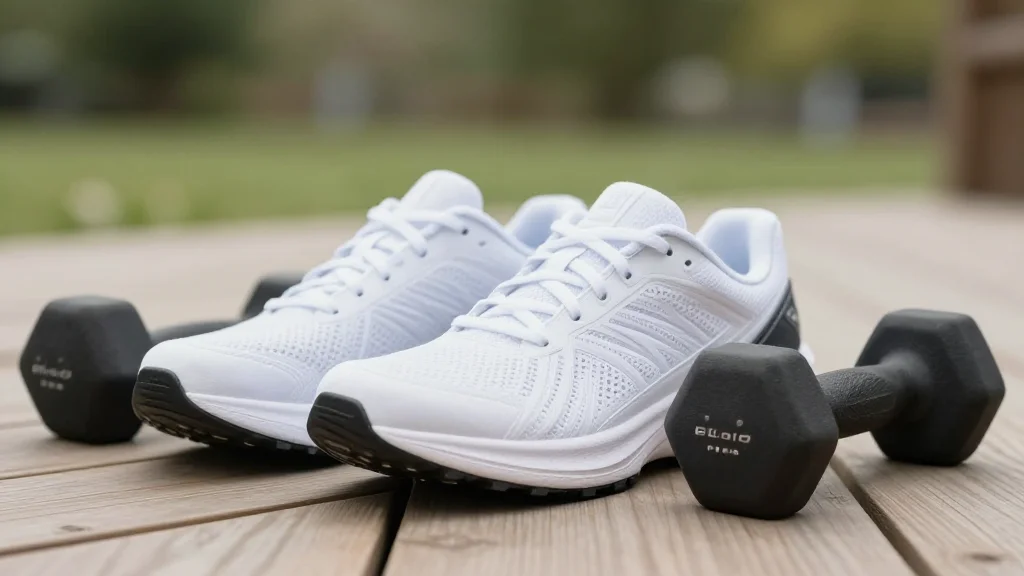
Walking and Strength Training Are Must-Do Workouts for Longevity. Here’s How to Build Your Routine.
Why It Matters
Combining aerobic walking with resistance work maximizes health outcomes, fueling demand for integrated fitness programs, wearables, and corporate wellness solutions.
Key Takeaways
- •Walking under 10,000 steps daily cuts dementia risk, per 2022 JAMA study
- •Strength training outperforms walking for bone density and muscle preservation
- •CDC advises 150 min moderate walking plus two weekly strength sessions
- •Hybrid routines boost cardiovascular, cognitive, and metabolic health simultaneously
- •Simple 15‑minute post‑meal walks and short strength circuits improve adherence
Pulse Analysis
Walking and strength training have surged as the two most visible fitness trends of the decade, each backed by robust scientific evidence. Large‑scale studies, such as the 2022 JAMA Neurology analysis of 80,000 adults, link near‑10,000 daily steps to a measurable drop in dementia incidence, while meta‑analyses of resistance training consistently show superior gains in bone mineral density and muscle hypertrophy. This dual‑track evidence base has prompted manufacturers of smartwatches and fitness apps to expand metrics beyond step counts, integrating load‑tracking, rep counting, and recovery analytics to capture the full health picture.
Health professionals now champion a hybrid model that aligns with CDC recommendations: 150 minutes of moderate‑intensity aerobic activity—often fulfilled by brisk walking—combined with at least two full‑body strength sessions per week. The synergy is clear: walking maintains cardiovascular endurance and supports cognitive function through enhanced cerebral blood flow, whereas resistance work stimulates growth factors that foster neurogenesis and bone remodeling. For consumers, the practical recipe is simple—15‑minute post‑meal walks and three 15‑minute strength circuits can be woven into a busy schedule, driving adherence and long‑term habit formation.
The business implications are profound. Gyms are redesigning class schedules to blend cardio and resistance modules, while corporate wellness programs are incentivizing employees to log both steps and weight‑lifting metrics. Wearable manufacturers are racing to refine algorithms that accurately gauge resistance effort, opening new revenue streams for hardware upgrades and subscription services. As the evidence base grows, the market will likely see a convergence of aerobic and strength‑training platforms, delivering holistic health insights that keep users engaged and healthier for longer.
Walking and Strength Training Are Must-Do Workouts for Longevity. Here’s How to Build Your Routine.
Comments
Want to join the conversation?
Loading comments...