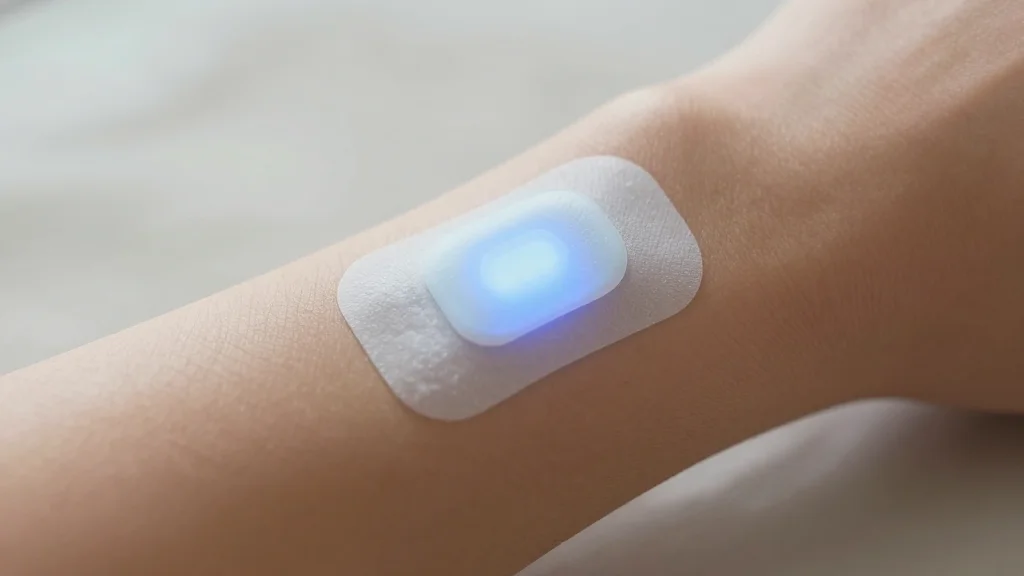
The 5 Biomarkers Every Adult Over 30 Should Be Tracking, Per A Longevity Expert
Companies Mentioned
Why It Matters
These tighter biomarker targets expose hidden insulin resistance and cardiovascular risk, enabling earlier intervention and potentially extending healthspan. For the wellness industry, they drive demand for more frequent, personalized testing and hormone‑optimization services.
Key Takeaways
- •Optimal fasting glucose: 70‑80 mg/dL, CGM reveals daily spikes
- •Target fasting insulin ≤5 μIU/mL signals low insulin resistance
- •Aim for HbA1c under 5 % to stay clear of pre‑diabetes
- •Cholesterol risk ratio (total/HDL) lower than standard thresholds predicts heart health
- •Free testosterone 180‑250 pg/mL (men) or ≥6 pg/mL (women) supports metabolism
Pulse Analysis
The conversation around lab reference ranges is evolving as precision medicine gains traction. Traditional "normal" values are derived from population averages that include many individuals with sub‑clinical disease, so they often fail to flag early metabolic drift. Experts like Florence Comité champion a shift toward "optimal" ranges that reflect youthful physiology, leveraging tools such as continuous glucose monitors and at‑home hormone kits. This approach aligns with a broader consumer appetite for data‑driven health insights and fuels growth in direct‑to‑consumer testing platforms.
Each of the five biomarkers serves a distinct role in the longevity puzzle. Fasting glucose and insulin together map insulin sensitivity, a cornerstone of metabolic health that underlies diabetes, obesity, and even neurodegeneration. HbA1c offers a longer‑term view, while the cholesterol risk ratio simplifies cardiovascular risk assessment without expensive imaging. Free testosterone, often overlooked in women, influences muscle mass, mood, and insulin response, making it a valuable lever for both sexes. By tracking these metrics repeatedly, individuals can fine‑tune diet, exercise, and therapeutic interventions before disease manifests.
For the healthcare ecosystem, the push toward tighter biomarker targets creates new revenue streams. Labs are expanding panels to include fasting insulin and free testosterone, while telehealth providers integrate CGM data into virtual visits. Insurers may soon reward proactive monitoring with lower premiums, and biotech firms are racing to develop non‑invasive hormone‑optimization therapies. Professionals who educate patients on optimal ranges and actionable steps will differentiate themselves in a crowded market, positioning longevity‑focused care as a mainstream service.
The 5 Biomarkers Every Adult Over 30 Should Be Tracking, Per A Longevity Expert
Comments
Want to join the conversation?
Loading comments...