![[Comment] Colonoscopy, Cancer Prevention, and the New Arithmetic of Benefit](https://hixhlmpcokxhartfkpyi.supabase.co/storage/v1/object/public/images/thumbnails/9c40ab18f39b6e9571bc1fd179f4f703.webp)
[Comment] Colonoscopy, Cancer Prevention, and the New Arithmetic of Benefit
Colonoscopy has long been hailed as the gold‑standard for colorectal cancer screening, with observational studies suggesting it cuts incidence and mortality by at least 50%. The 13‑year follow‑up of the NordICC randomised trial, however, shows a modest 18% reduction in cancer incidence and a 30% drop in mortality, prompting a reassessment of its population‑level impact. The commentary by Aasma Shaukat argues that these findings demand a new arithmetic for weighing colonoscopy against other preventive tools. It also highlights how adherence rates shape real‑world outcomes.

Special Packaging Enables Effective Mitochondrial Delivery
Researchers have engineered "mito‑capsules" by wrapping donor mitochondria in erythrocyte‑derived plasma membranes, a technique that markedly improves delivery and integration into recipient cells. In vitro, the capsules restored bioenergetic function in mitochondrial disease models, while in vivo studies demonstrated functional...
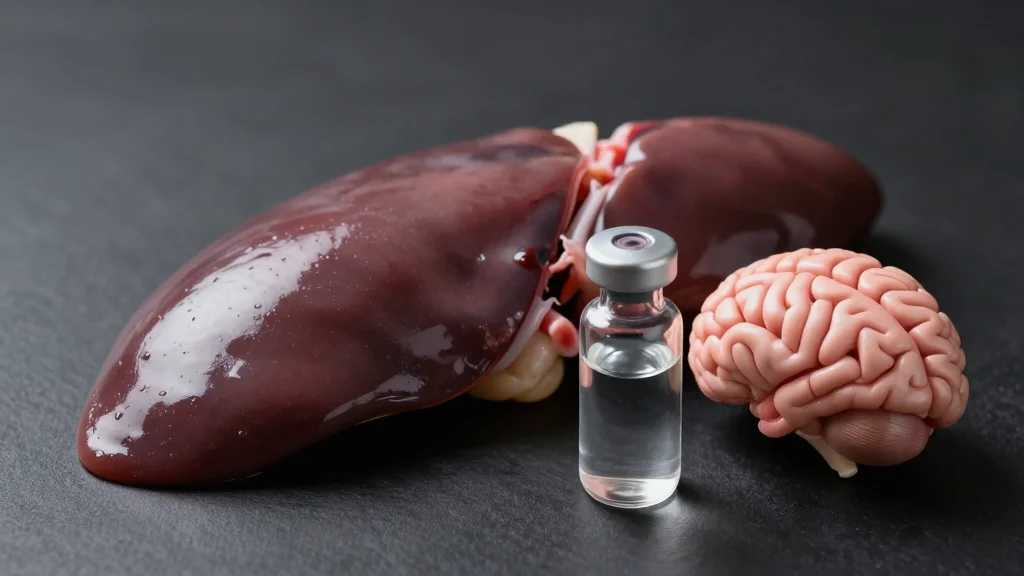
Exerkine GPLD1 Bridges Liver and Brain
A new study shows that exercise raises the liver‑derived enzyme GPLD1, which cleaves tissue‑nonspecific alkaline phosphatase (TNAP) into soluble forms that improve cerebrovascular signaling. The resulting enhancement of blood‑brain barrier integrity, neurogenesis, and synaptic plasticity translates into better cognition in...
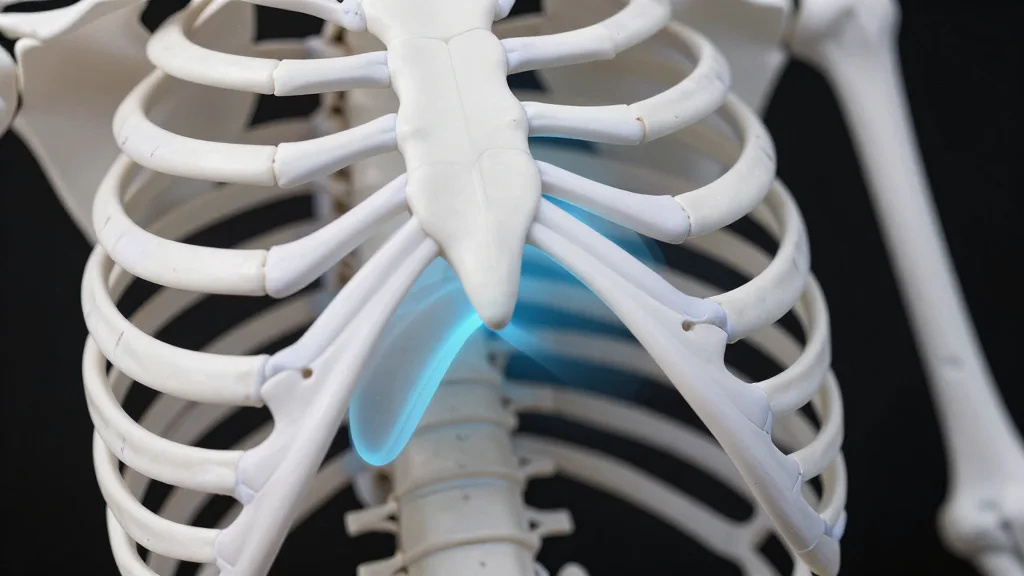
Thymic Health Under the Microscope
A recent *Nature* paper by Bernatz et al. introduces a quantitative "thymic health" score derived from routine chest CT scans. The metric captures thymic tissue density and morphology, providing a non‑invasive proxy for immune competence. In a cohort of over 30,000...
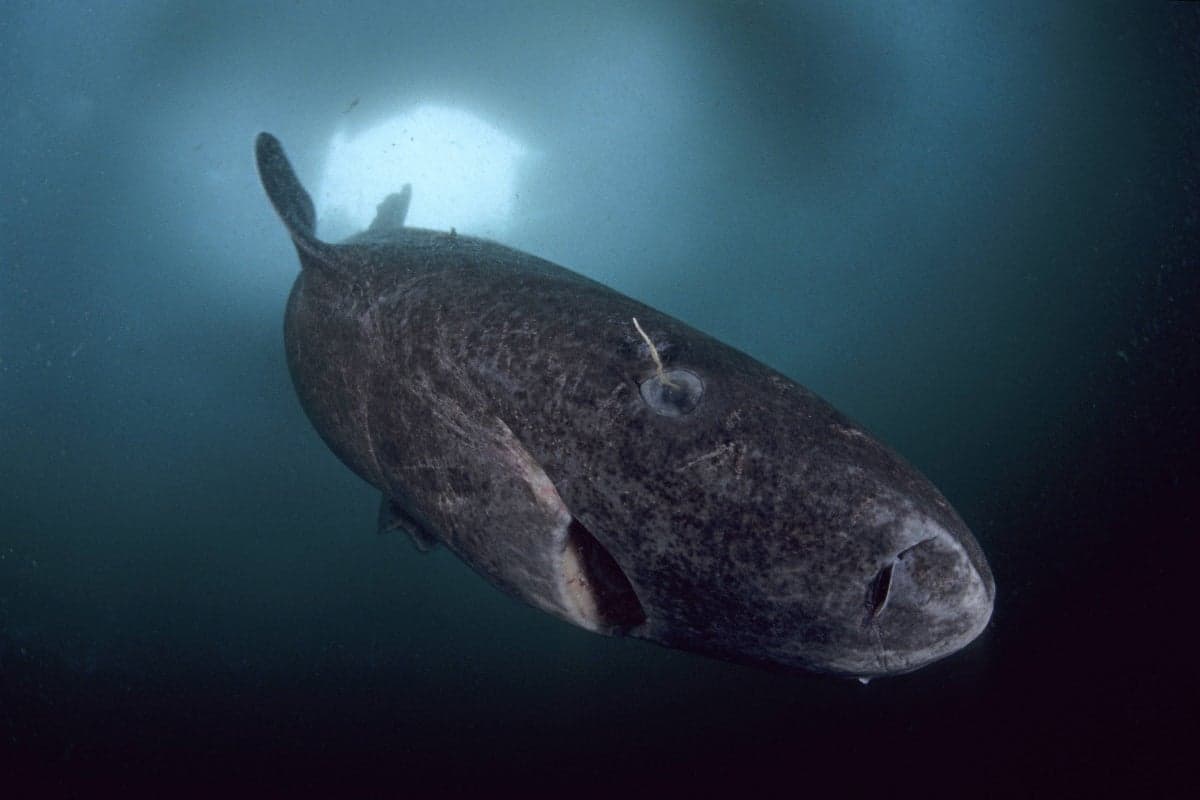
How a Greenland Shark’s Heart Can Beat for Centuries
Scientists examined the hearts of Greenland sharks aged 100‑155 years and found classic signs of cardiac aging, including fibrosis, lipofuscin accumulation, and mitochondrial damage. Despite this molecular wear, the sharks continue to hunt and survive, likely aided by low blood...
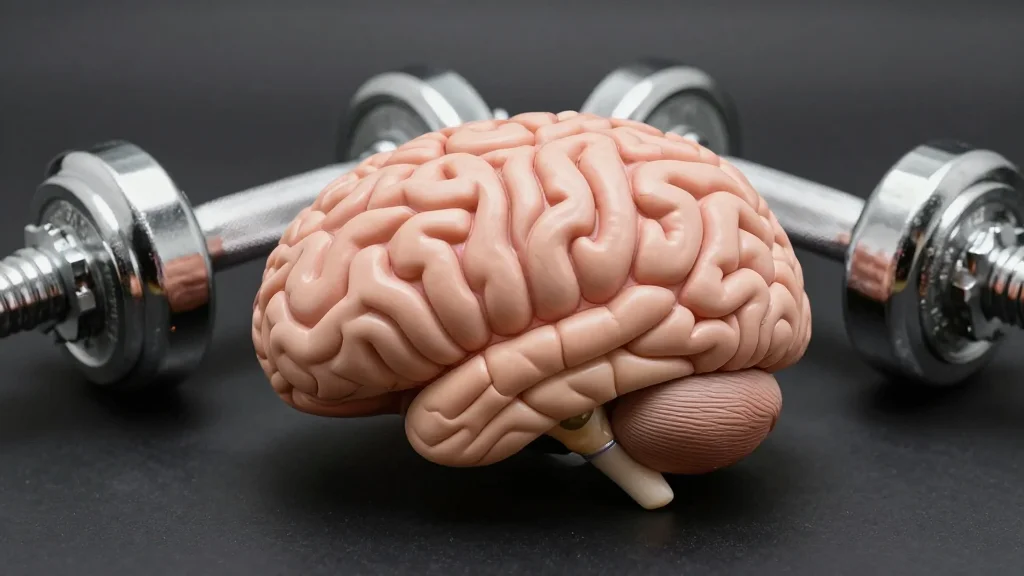
Better Cardiorespiratory Fitness Is Linked to a Lower Risk of Dementia and Depression
A systematic review and meta‑analysis of 27 cohort studies covering 4,007,638 people found that higher cardiorespiratory fitness markedly reduces the risk of several mental and neurocognitive disorders. Participants with the highest fitness levels had a 36% lower incidence of depression...

Can You Live Longer By Drinking More Coffee? What A New Study Concludes
A new review in the journal Nutrients consolidates decades of cohort data, concluding that drinking roughly 3.5 cups of coffee daily (about 28 ounces) is associated with the greatest longevity benefit. The analysis links regular coffee intake to a 15% lower...

Scientists Can Now Measure Brain Aging — Here's What It Means For You
A UK Biobank study of 40,488 participants used the DTI‑ALPS MRI index to quantify glymphatic function, establishing it as a reliable biomarker of brain age. Better glymphatic clearance correlated with younger‑looking brains, longer telomeres, and superior cognition. The analysis identified...
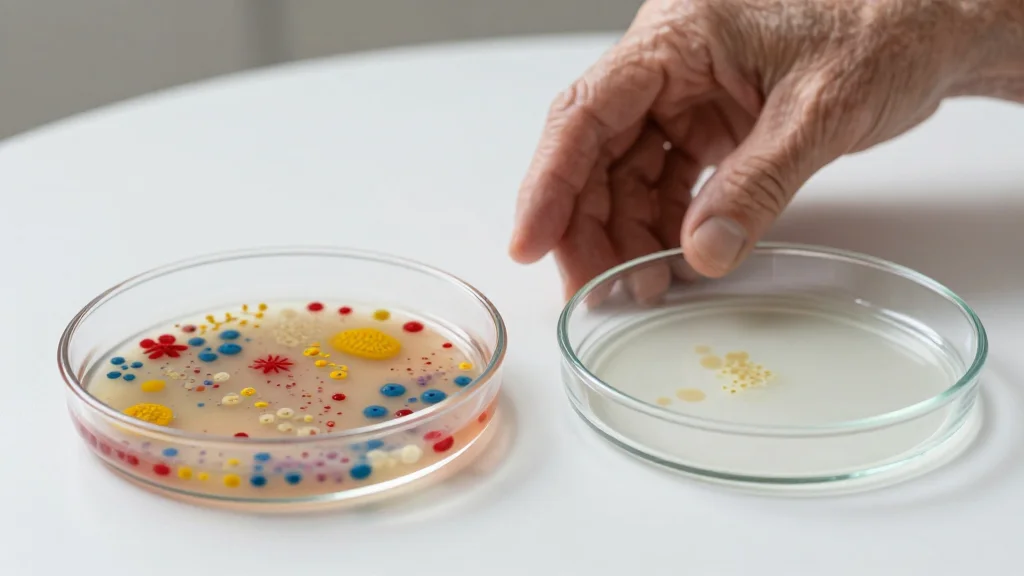
This Woman Lived to 117. Her Daily Diet May Help Explain Why
A recent Cell Reports Medicine study examined the biology of supercentenarian María Branyas Morera, who died at 117 years and 168 days. Researchers found she carried protective genes, low triglycerides, high HDL cholesterol, and a gut microbiome as diverse as...

7 Consistent Habits of People Who Age Well
Adopting seven evidence‑based habits can significantly improve longevity and quality of life. A positive outlook, nutrient‑dense Mediterranean diet, portion control, regular exercise, social engagement, daily sun protection, and 7‑9 hours of sleep each night are highlighted. Studies cited show mindset...

This Overlooked Mineral May Play A Role In Protecting Against Alzheimer’s
Physician‑scientist David Fajgenbaum highlights emerging evidence that lithium, a long‑used mood stabilizer, may protect against Alzheimer’s disease. Human post‑mortem studies show lower lithium in the prefrontal cortex of patients with mild cognitive impairment, while mouse experiments demonstrate that dietary lithium...
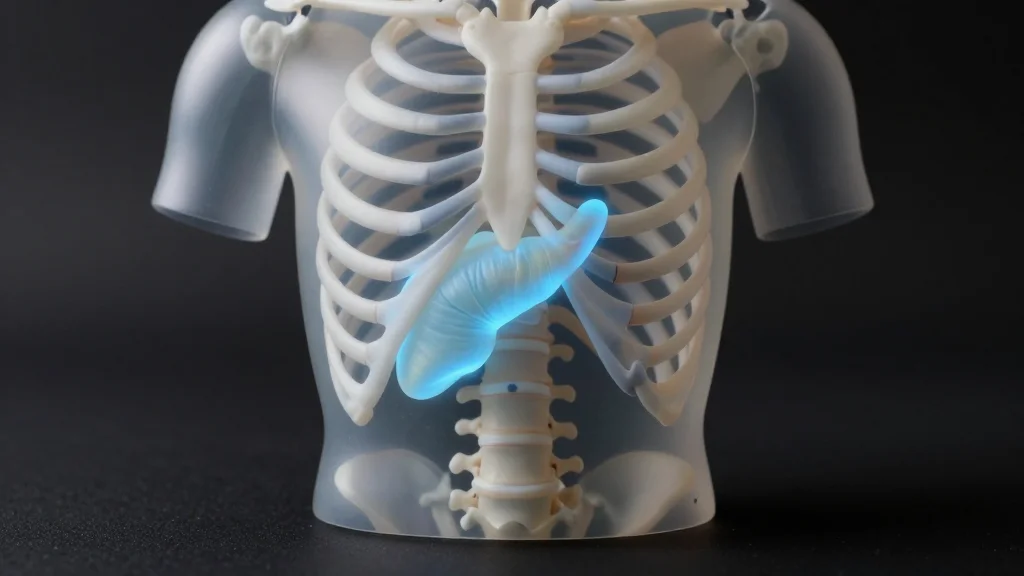
The Body’s Most Mysterious Organ May Play a Key Role in Longevity and Cancer
Recent studies have revived interest in the thymus, showing that a healthy gland predicts lower risk of lung cancer, heart disease and all‑cause mortality. Researchers at Mass General used AI to create a thymic health score from CT scans and...

‘The Happiest Time of Life Is as You Get Older’: Can Positive Thinking Help You Age Better?
A new longitudinal study of more than 11,000 adults aged 50‑99 found that a positive attitude toward aging is linked to measurable gains in physical and cognitive function. Over a 12‑year follow‑up, 44% of participants improved walking speed and cognition,...
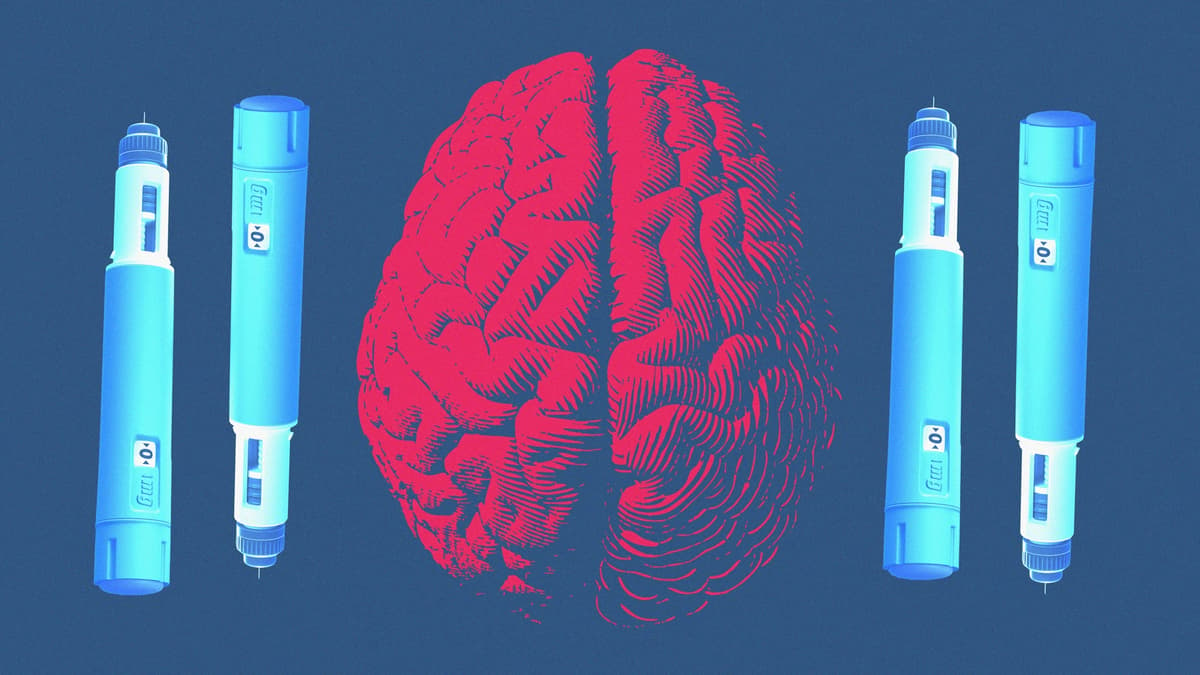
Could Ozempic Help With Alzheimer’s Disease? Scientists Are Taking a Closer Look
A new Anglia Ruskin University review of 30 preclinical studies suggests GLP‑1 drugs such as Ozempic and Wegovy can lower amyloid‑beta and tau, the hallmark proteins of Alzheimer’s disease. Twenty‑two studies reported reduced amyloid‑beta and nineteen showed decreased tau, with liraglutide...

7 Smart Habits to Extend Your Life, From a Massive Harvard Study of More Than 100,000 Women Over 50 Years
Harvard’s Nurses’ Health Study, tracking over 121,000 women since 1976, has become one of public health’s most extensive longitudinal projects. Researchers have identified a set of evidence‑based habits—regular exercise, plant‑forward diet, non‑smoking, adequate sleep, and strong social connections—that consistently correlate...

Your Next Dog May Live Longer
Longevity biotech Loyal, founded by Celine Halioua, has received FDA clearance to market a daily pill that improves insulin sensitivity and could extend dogs’ lifespans. The agency deemed the drug likely effective based on a small study of about 50...
The #1 Predictor Of Cognitive Decline, Backed By 20 Years Of Data
Researchers at the Mayo Clinic have unveiled a risk calculator that predicts a person’s chance of developing mild cognitive impairment or dementia up to ten years in advance, using age, sex, APOE ε4 genotype and PET‑measured brain amyloid. The analysis of...

A Drop In This Sense Could Be a Sign of Decline
A new analysis of 5,474 adults aged 65 and older links a poor sense of smell to slower gait speed, weaker grip strength, and faster physical decline over roughly seven years. The study, published in JAMA Otolaryngology—Head & Neck Surgery,...

The Real Predictor Of Longevity Isn’t At All What You’d Expect
A new analysis of the Framingham Heart Study tracked 3,231 adults for roughly 25 years and then followed health outcomes for a median of 28 years. By aggregating participants’ Life’s Essential 8 scores across the entire period, researchers created a cumulative...

Best Red Light Therapy Devices of 2026, Tested and FDA-Cleared
Red‑light therapy’s market is booming, growing from $421 million in 2024 to $444 million in 2025 and projected to reach $658 million by 2032. CNET tested five FDA‑cleared devices across facial, eye, hair‑growth, neck and full‑body categories, highlighting Shark CryoGlow’s combined LED‑cryotherapy mask,...

Three Curious Animal Strategies for Immortality by Gunnar De Winter
The article explores three natural anti‑aging strategies observed in animals: the immortal jellyfish that can revert to a juvenile stage, the Greenland shark whose cold‑adapted, slow metabolism supports a lifespan of up to five centuries, and the Hydra’s ability to...
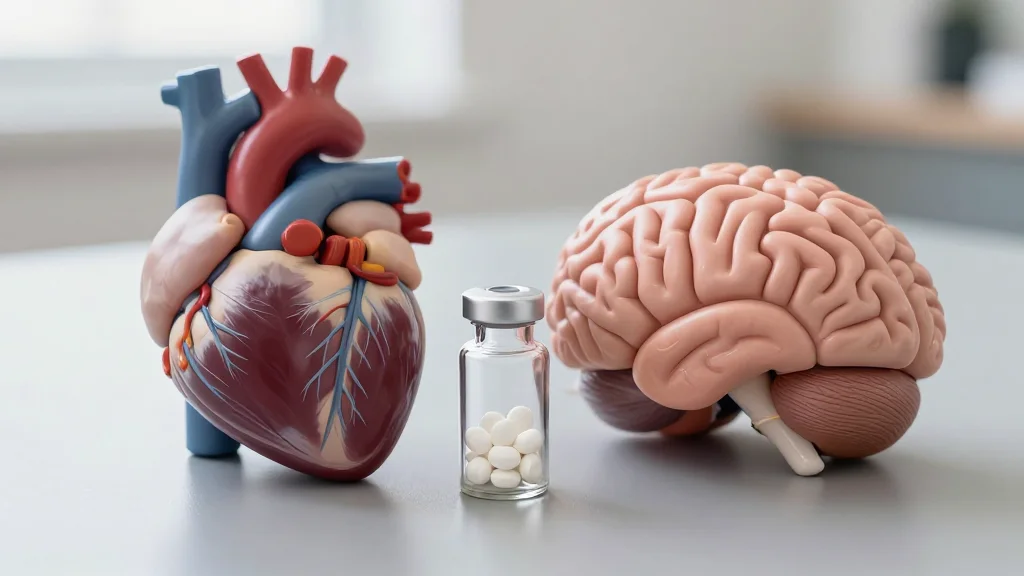
Common Cholesterol Medications Do Not Alter Long-Term Dementia Risk
A massive target‑trial emulation study of more than 320,000 older adults found that statin use does not change long‑term risk of dementia. While statin users showed a 46% spike in dementia diagnoses during the first year after initiation, researchers attribute...

The Expert on 'Super Aging' Breaks Down the Science — and Grift — in Anti-Aging
Cardiologist Eric Topol argues that the anti‑aging boom should shift from chasing longevity to extending health span, the years free of major disease. His research on “Super Agers” over 80 showed genetics play a modest role, while exercise, sleep, social...

Lancôme Hosts The Circle of Longevity MD Pop-Up in New York
Lancôme hosted a one‑day pop‑up in New York on May 1, 2024 called The Circle of Longevity MD, spotlighting its Absolue Longevity MD line. The immersive event emphasized personalized skin diagnostics, exclusive longevity‑focused facial protocols, and education around aging science. A...
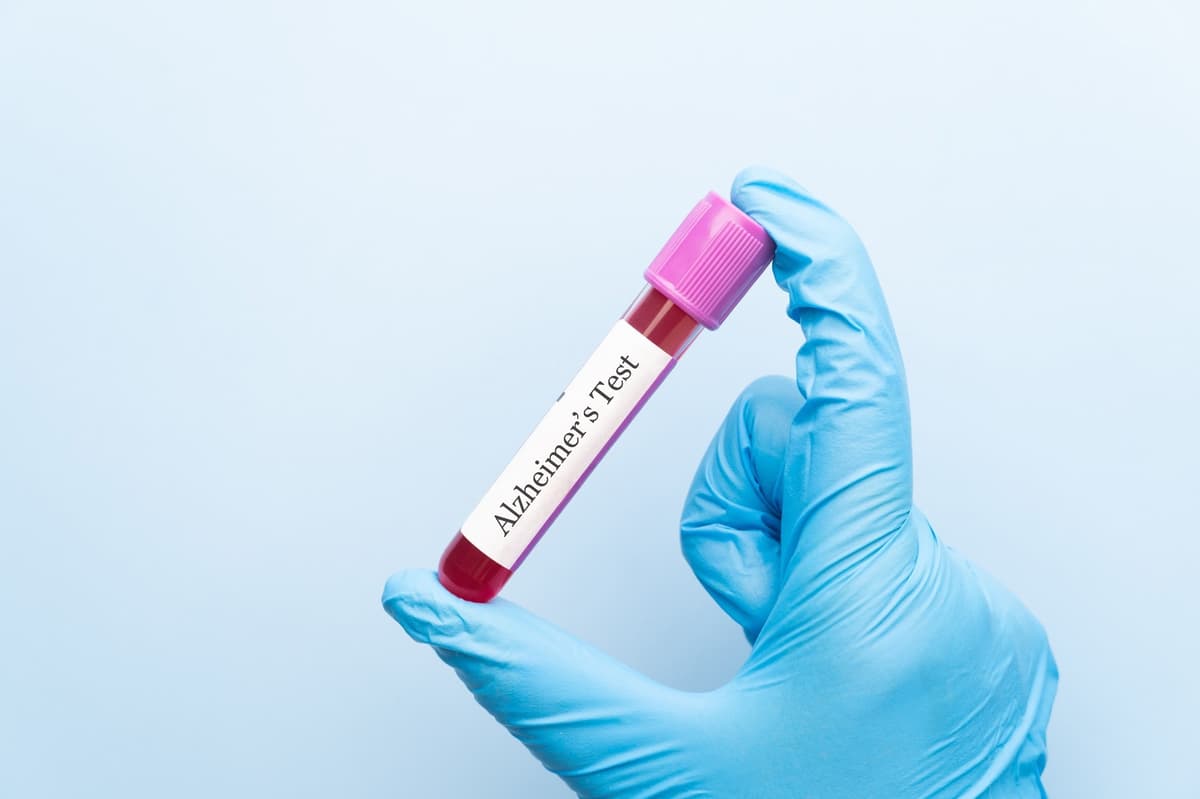
Identifying the Ages when Alzheimer’s Biomarkers Sharply Change
A Mayo Clinic Study of Aging analysis identified specific ages when Alzheimer’s disease biomarkers change sharply, using breakpoint regression on plasma proteins, PET imaging, hippocampal volume and cognition across 45‑90‑year‑olds. The most consistent inflection points clustered between 62 and 71...

I'm 35 and Haven't Had Kids Yet. I'm Trying to Delay Menopause Until I'm 60.
Kayla Barnes-Lentz, a 35‑year‑old longevity podcaster, is pursuing a biohacking regimen to postpone menopause until age 60, hoping to extend both healthspan and fertile years. She combines strict lifestyle basics—early sleep, Mediterranean diet, toxin reduction—with experimental interventions such as rapamycin...
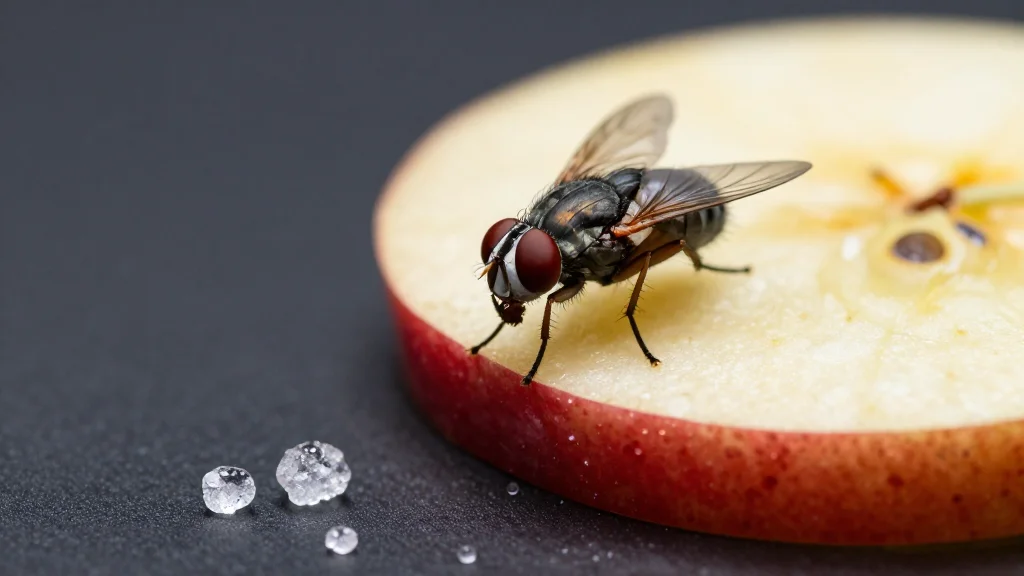
Galactose Alters Early-Life Development and Exerts Sex-Specific Nutritional Programming Effects on Lifespan in Drosophila Melanogaster
Researchers fed Drosophila larvae a 5% galactose diet and later switched adults to either a standard 5% glucose or a high‑glucose 20% diet. Galactose prolonged larval development, increased pupal volume, and lowered mitochondrial mass, while adult females on a normal...
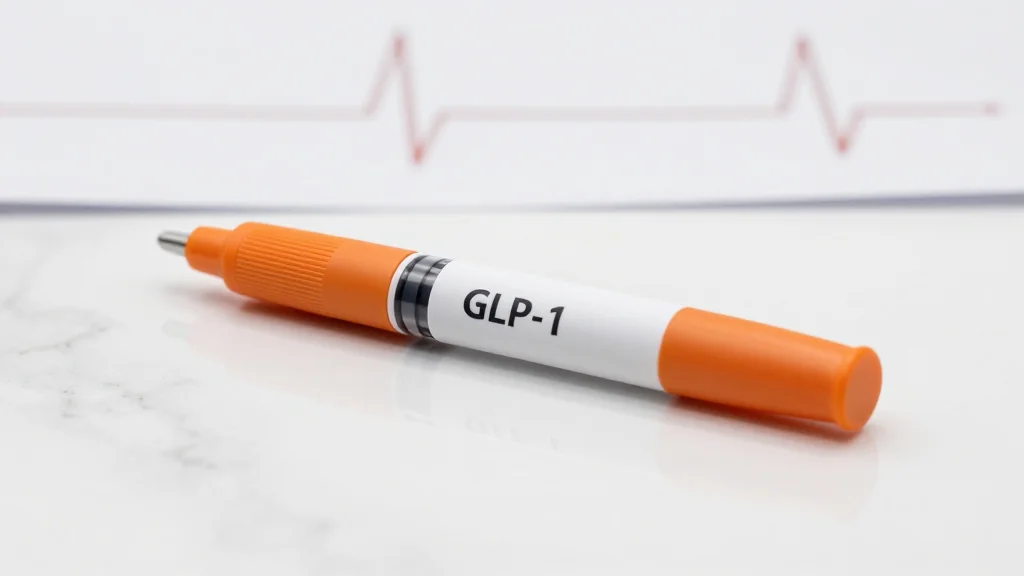
How Long Should You Be on a GLP-1?
Semaglutide and other GLP‑1 agonists trigger appetite suppression and noticeable weight loss within the first month, with most patients shedding 15‑25% of body weight after a year. Clinical trials show that continuous use for four years markedly reduces heart attacks,...

New Genetic Risk Report Reveals Hidden Heart Disease Risk Before Symptoms Appear
A JACC study validated an integrated polygenic risk‑score (PRS) panel for eight cardiovascular conditions using 245,394 All of Us participants and 53,306 Mass General Brigham Biobank members. The report stratifies risk, with the top 10% showing a 41‑fold odds for...

Exclusive eBook: Inside the Stealthy Startup that Pitched Brainless Human Clones
MIT Technology Review released a subscriber‑only eBook exposing R3 Bio, a stealth biotech startup that pitches "brainless clones"—human bodies without brains—to serve as backup vessels for longevity seekers. The company envisions these clones as disposable shells that could host a...

Synthetic Biologist Reza Kalhor Receives $250,000 President's Innovation Award
Synthetic biologist Reza Kalhor received the $250,000 President’s Innovation Award at Johns Hopkins University, recognizing his work on genomic recording technologies that capture biological events in DNA. His approach enables scientists to trace how early‑life signals contribute to diseases such...
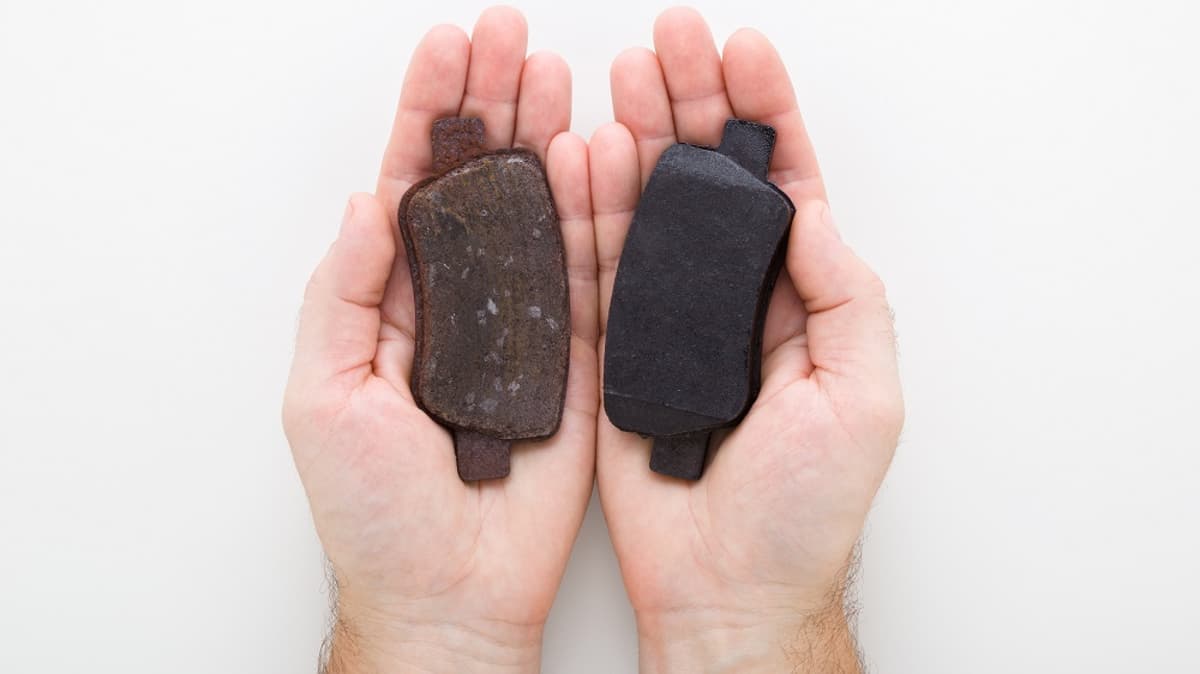
Some Researchers Choose Replacement Over Repair in Aging
A new perspective in Aging Cell argues that replacing cells, tissues, or organs may be more feasible than repairing aged biology. It outlines biological and synthetic replacement strategies, from stem‑cell injections to bioprinted kidneys, and highlights a workshop that identified...

A Scientist Says Humans Were Meant to Live So Much Longer—Then the Dinosaurs Ruined It
University of Birmingham microbiologist João Pedro de Magalhães proposes the "longevity bottleneck hypothesis," arguing that 100 million years of dinosaur dominance forced early mammals to prioritize rapid reproduction over long life. This evolutionary pressure, he suggests, deactivated or eliminated genes and enzymes that support...

How Longevity Is Becoming The Wellness Industry’s New Gold Rush
Longevity is reshaping the $6 trillion wellness economy, with the segment projected to reach $610 billion by 2026. Brands are moving from short‑term anti‑aging messaging to preventive, long‑term health optimization, positioning products as investments in a healthier future self. The biohacking market,...
The Truth About Taking Testosterone
BBC's Morning Live aired a segment on testosterone, where Dr. Xand explained the hormone’s role, potential therapeutic uses, and who might benefit. He clarified that testosterone is not a universal anti‑aging solution and highlighted that prescribing is tightly regulated, especially...
How Epic Bio Is Leveraging CRISPR without Cutting DNA
Epic Bio, founded by Stanford professor Stanley Qi, is developing an epigenetic editing platform called GEMS that uses the smallest known Cas protein to modulate gene expression without cutting DNA. The system can be delivered in a single viral vector...

Adherence to the Mediterranean Diet, Inflammatory Biomarkers and Cognitive Status in Older Italian Adults
A cross‑sectional study of 92 Italian seniors found that higher adherence to the Mediterranean diet dramatically reduced the odds of mild cognitive impairment (MCI), with an odds ratio of 0.07 for participants in the top adherence quartile. MCI patients displayed...
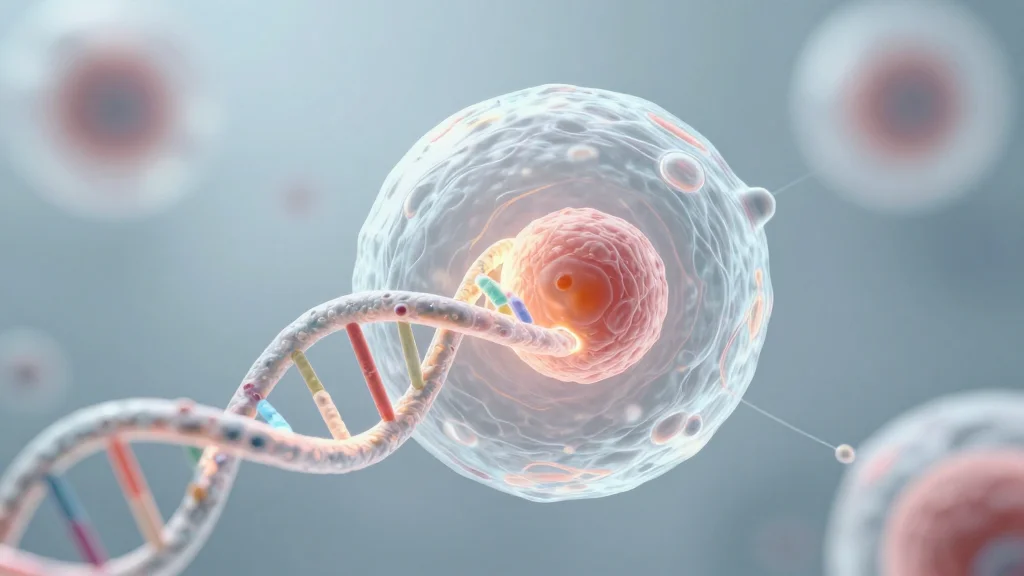
New Genome Editing Method Could Swap Entire Genes and Correct 1000 Mutations at Once
Scientists have unveiled a new genome‑editing platform called prime assembly that can insert DNA segments up to 11,000 base pairs, enabling the replacement of entire genes rather than single‑point edits. The method uses overlapping flaps to attach donor DNA without...

Coffee May Protect Against Aging
Researchers at Texas A&M have identified the nuclear receptor NR4A1 as a key mediator of coffee’s anti‑aging effects. Laboratory experiments showed that polyhydroxy and polyphenolic compounds in coffee bind to and activate NR4A1, reducing cellular damage and slowing cancer cell...

Omega-3s May Affect Brain Repair: Should You Avoid Them?
A new study indicates that eicosapentaenoic acid (EPA), a common component of fish‑oil supplements, can impair brain‑vascular repair after repeated mild traumatic brain injuries. In mouse models and human brain‑cell cultures, EPA reduced endothelial wound‑healing and promoted tau protein buildup...

Daytime Napping and Mortality Association in Older Adults
A JAMA Network Open study of 1,338 older adults used wrist actigraphy to objectively measure daytime napping patterns and found that longer nap duration and higher nap frequency are linked to increased all‑cause mortality. Each additional hour of napping adds...

Infinite Epigenetics Acquires Tally Health in ‘Largest Epigenetic Testing Deal to Date’
Infinite Epigenetics announced the acquisition of Tally Health, creating the largest private‑sector DNA methylation database. The deal merges Infinite's TruDiagnostic biological‑age platform with Tally's at‑home epigenetic test and supplement program, forming a vertically integrated measurement‑to‑intervention stack. Executives say the combined...

Key Trends Emerge in Vitafoods Europe Education Programme
The Vitafoods Europe education programme showcased a series of high‑profile sessions that mapped emerging nutrition trends across gut health, longevity, GLP‑1 impacts, cognitive resilience, performance nutrition and nutricosmetics. Experts from Mintel, Euromonitor, Yakult and Nestlé highlighted how gut microbiome insights...

Scientists Scanned 26K Brains & Found This Metric Predicted Cognitive Decline
A new MRI study of nearly 26,000 UK Biobank participants identified six distinct fat‑distribution profiles and linked two of them—pancreatic‑predominant fat and a “skinny‑fat” pattern—to accelerated brain aging and cognitive decline. The research shows that where fat accumulates, not just...

These 2 Brain-Supporting Nutrients May Help Slow Cognitive Decline As You Age
Researchers tracking 6,610 middle‑aged adults with metabolic syndrome found that higher dietary intakes of choline and its metabolite betaine were linked to modest but statistically significant preservation of attention, language, and executive function over a two‑year period. Average choline consumption...

What Are Peptides And Why Is Everyone Talking About Them?
Peptide therapies, short chains of amino acids that act like hormones, have surged in popularity as wellness supplements promising vitality and longevity. The most clinically vetted peptide, GLP‑1, is now used by roughly 10 million Americans for obesity and appetite control,...

Smoking May Spark Reaction Tied to Dementia
A University of Chicago team discovered that nicotine triggers a previously unknown lung‑brain signaling pathway. Pulmonary neuroendocrine cells (PNECs) release exosomes packed with serotransferrin, which upset iron regulation in neurons and spark oxidative damage linked to dementia. The researchers created...

This Common Deficiency May Raise Dementia Risk By 66%, Study Finds
A new longitudinal study of 2,200 adults over age 60 found that anemia, indicated by low hemoglobin, increases dementia risk by 66% over nine years. Participants with low hemoglobin also showed higher levels of blood biomarkers linked to neurodegeneration. The...
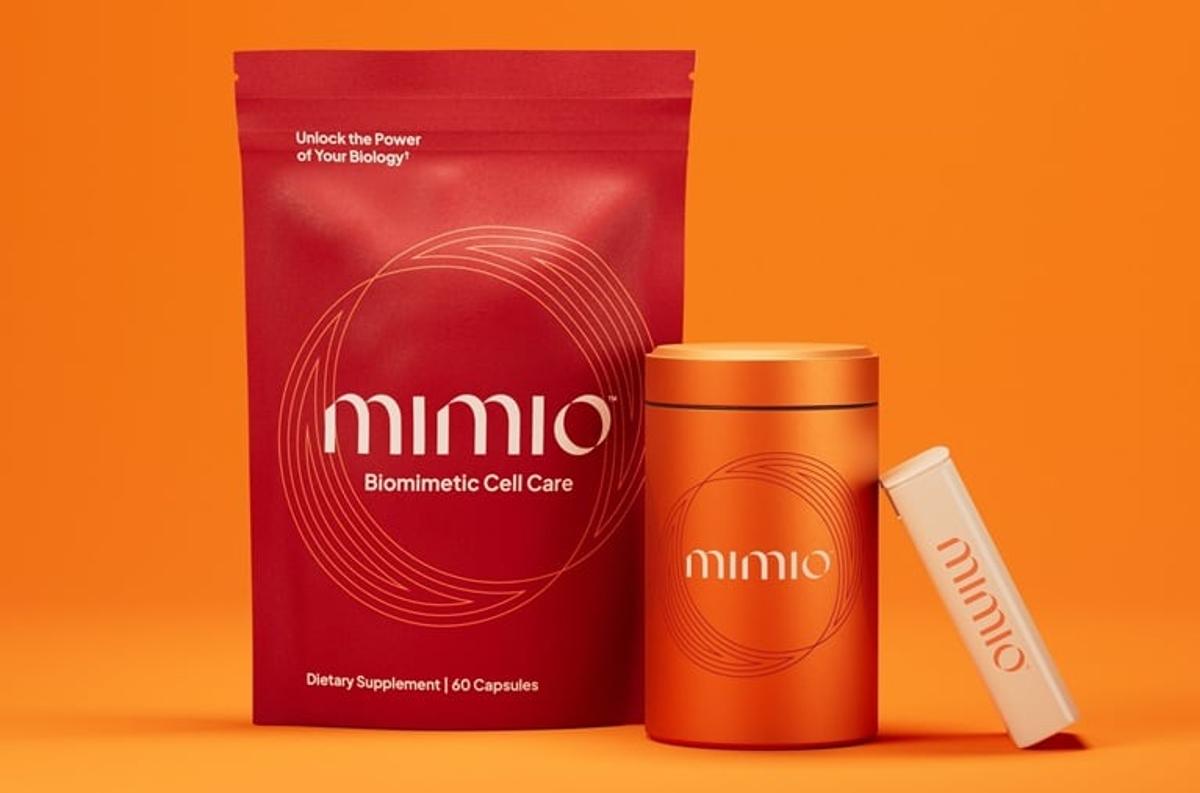
Fasting Mimetic May Improve Cardiometabolic Health Markers: RCT
A randomized, double‑blind, placebo‑controlled trial found that an eight‑week regimen of Mimio, a fasting‑mimetic supplement, significantly improved cholesterol fractions, oxidized LDL, and fasting glucose in older adults with elevated BMI and HbA1c. The formulation delivers nicotinamide, PEA, OEA and spermidine...

7 Expert Habits for Healthy Aging From Longevity Doctor Florence Comite
Longevity specialist Dr. Florence Comite released her new book Invincible, outlining a science‑backed roadmap for healthy aging. She emphasizes building muscle early, monitoring hereditary risk factors, and maintaining strong social connections to preserve metabolic and bone health. The doctor also advises dietary...