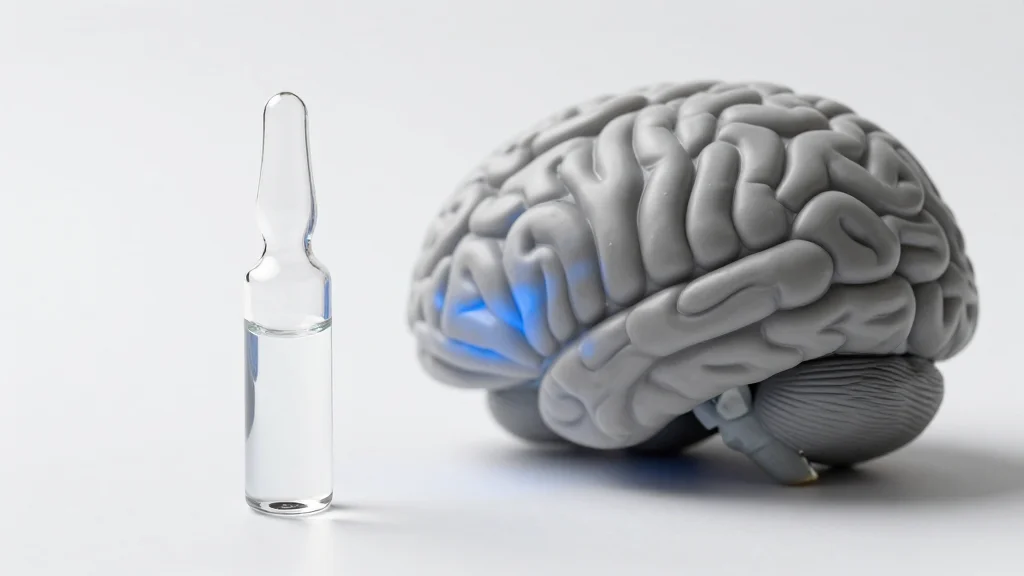
This Overlooked Mineral May Play A Role In Protecting Against Alzheimer’s
Why It Matters
The link suggests a modifiable mineral could become a low‑cost strategy for early Alzheimer’s prevention, reshaping research priorities and public‑health approaches to brain aging.
Key Takeaways
- •Low lithium levels found in brains of Alzheimer’s patients.
- •Mouse studies show lithium supplementation reduces plaques and improves memory.
- •Lithium not approved for Alzheimer’s; self‑supplementation discouraged.
- •Drug repurposing could uncover hidden neuroprotective uses for existing meds.
Pulse Analysis
Lithium’s reputation has long been anchored in psychiatry, where it remains a first‑line treatment for bipolar disorder. In recent years, a wave of drug‑repurposing research has turned the spotlight on this simple mineral, probing whether its biochemical actions extend beyond mood stabilization. By re‑examining existing pharmacology through modern data‑analytics and molecular pathways, scientists are uncovering unexpected connections that could accelerate therapeutic breakthroughs without the cost of developing brand‑new compounds.
A growing body of evidence now points to lithium’s possible role in mitigating Alzheimer’s pathology. Post‑mortem analyses reveal that individuals with mild cognitive impairment and Alzheimer’s have markedly lower lithium concentrations in the prefrontal cortex, a pattern not observed for other trace metals. Parallel animal studies reinforce this observation: mice deprived of dietary lithium develop accelerated amyloid plaque formation, tau hyperphosphorylation, neuroinflammation, and cognitive decline, while supplementation—particularly with lithium orotate—reverses many of these changes and restores memory performance. Researchers hypothesize that lithium may modulate glycogen synthase kinase‑3β activity, a key driver of tau aggregation, and influence neuroprotective signaling pathways that preserve synaptic health.
If future clinical trials confirm these preclinical findings, lithium could become a readily accessible, low‑cost adjunct in Alzheimer’s prevention strategies, shifting focus toward early, nutritionally based interventions. However, clinicians caution against unsupervised use; therapeutic windows are narrow, and chronic exposure carries risks of renal and thyroid dysfunction. Ongoing studies aim to define optimal dosing, formulation, and target populations, while broader implications underscore the value of mining existing drug libraries for hidden benefits. As the field evolves, lithium may exemplify how re‑examining familiar agents can unlock new avenues for combating neurodegeneration.
This Overlooked Mineral May Play A Role In Protecting Against Alzheimer’s
Comments
Want to join the conversation?
Loading comments...