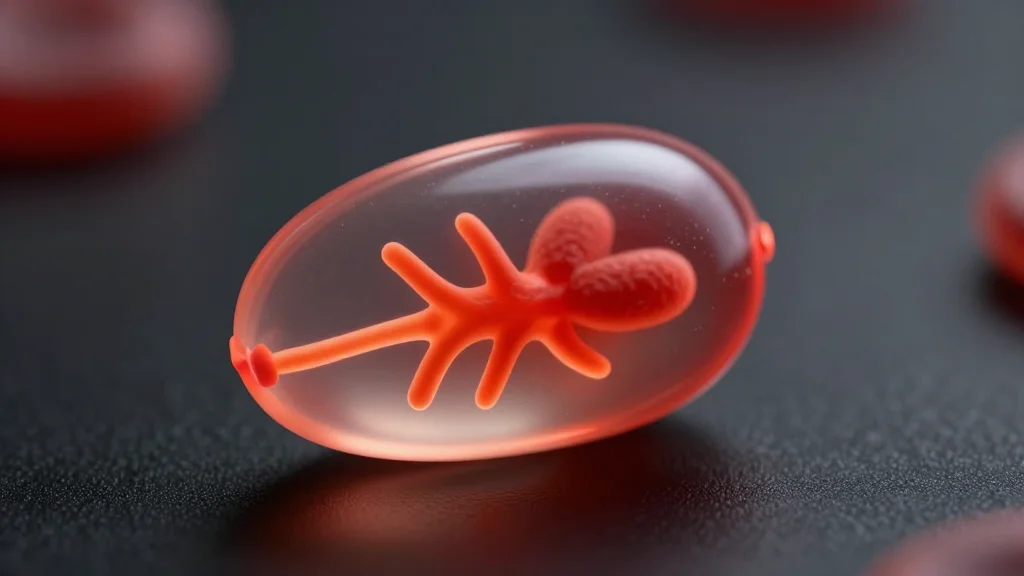
Special Packaging Enables Effective Mitochondrial Delivery
Why It Matters
Effective mitochondrial delivery could transform treatment for a range of genetic and neurodegenerative disorders, offering a therapeutic avenue that sidesteps the complexities of gene editing or drug development.
Key Takeaways
- •Erythrocyte membrane encapsulation boosts mitochondrial uptake by target cells
- •Mito‑capsules restored function in Parkinson’s and Leigh syndrome mouse models
- •In‑vitro studies showed donor mitochondria integration without immediate toxicity
- •Remaining challenges include mtDNA compatibility and long‑term safety
- •Approach may surpass gene therapy for certain mitochondrial disorders
Pulse Analysis
Mitochondrial dysfunction underlies a growing list of rare genetic disorders and common neurodegenerative diseases, yet therapeutic options remain limited. Traditional strategies—small‑molecule drugs, gene therapy, or stem‑cell approaches—face hurdles such as delivery across the blood‑brain barrier, off‑target effects, and regulatory complexity. By leveraging the natural biocompatibility of red‑blood‑cell membranes, the new mito‑capsule platform provides a stealthy carrier that evades immune detection while preserving mitochondrial integrity, positioning it as a promising alternative to existing modalities.
Preclinical data underscore the platform’s potency. In cultured cells derived from patients with mitochondrial disease, mito‑capsules rapidly fused with host mitochondria, restoring ATP production and reducing oxidative stress. Mouse models of Parkinson’s disease and Leigh syndrome exhibited marked improvements in motor function and survival after systemic administration, suggesting that the encapsulated organelles can traverse physiological barriers and home to affected tissues. These outcomes reflect both efficient payload delivery and functional integration, two critical benchmarks that have limited earlier transplantation attempts.
Despite the encouraging results, translation to human trials will require rigorous assessment of mtDNA heteroplasmy, long‑term engraftment, and potential immunogenicity of the erythrocyte membrane source. Scaling manufacturing while maintaining membrane purity and mitochondrial viability is another practical challenge. If these obstacles are addressed, mito‑capsules could redefine the therapeutic landscape for mitochondrial pathologies, offering a modular, off‑the‑shelf solution that complements or even supersedes gene‑editing techniques. The approach exemplifies how bio‑engineering can bridge fundamental biology and clinical need, accelerating the pipeline from bench to bedside.
Special packaging enables effective mitochondrial delivery
Comments
Want to join the conversation?
Loading comments...