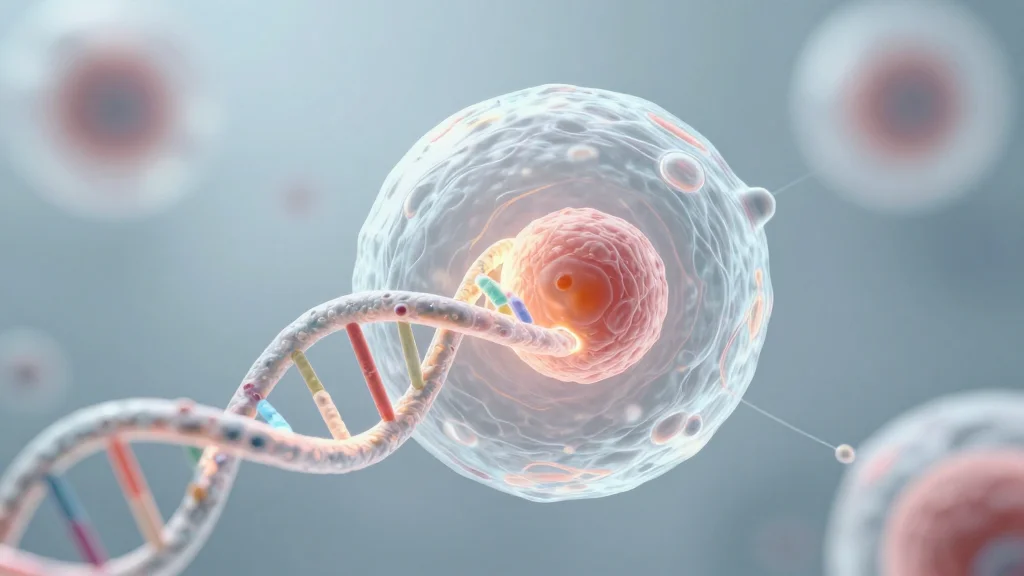
New Genome Editing Method Could Swap Entire Genes and Correct 1000 Mutations at Once
Why It Matters
This breakthrough could streamline gene‑therapy development by fixing many pathogenic variants at once, lowering regulatory hurdles and opening treatments for complex, multi‑mutation diseases.
Key Takeaways
- •Prime assembly inserts DNA up to 11,000 base pairs
- •Can correct roughly 1,000 heterogeneous mutations in a single step
- •Avoids double‑strand breaks, reducing cellular toxicity
- •Works in non‑dividing cells like neurons and heart tissue
- •Delivery still hinges on lipid nanoparticles or AAV vectors
Pulse Analysis
Gene‑editing has been dominated by CRISPR‑Cas9 and base‑editing tools, which rely on creating double‑strand breaks or modest nucleotide changes. While effective for single‑gene disruptions, these approaches stumble when a disease is driven by dozens or hundreds of pathogenic variants spread across a large genomic region. The new “prime assembly” method, reported in Nature, builds on prime editing by using programmable flaps to graft a donor DNA segment directly into the genome. This shift from point edits to true genomic assembly expands the therapeutic horizon beyond mutation cancellation to full‑gene replacement.
Technically, prime assembly generates overlapping flaps on the target strand that anneal to complementary ends of a donor fragment up to 11 kilobases long. By avoiding a double‑strand break, the method induces only a single‑strand nick, which is far less cytotoxic and sidesteps the need for homology‑directed repair—a pathway limited to dividing cells. The researchers demonstrated efficient insertion in mammalian cell cultures, including neurons and cardiomyocytes, indicating that the platform can operate in post‑mitotic tissues where traditional HDR‑based edits falter. This capability opens doors for treating neurodegenerative and cardiac disorders that were previously out of reach.
The clinical promise of correcting up to 1,000 distinct mutations in a single intervention could streamline regulatory pathways and reduce manufacturing complexity for gene‑therapy developers. However, delivering a multi‑kilobase donor and the prime‑assembly editor remains a hurdle; lipid nanoparticles and adeno‑associated viruses are the leading candidates but must be optimized for payload size and tissue tropism. As pre‑clinical animal studies commence, investors and biotech firms will watch for safety signals and efficacy data that could catalyze a new class of universal gene‑replacement therapies, reshaping the market for rare‑disease treatments.
New genome editing method could swap entire genes and correct 1000 mutations at once
Comments
Want to join the conversation?
Loading comments...