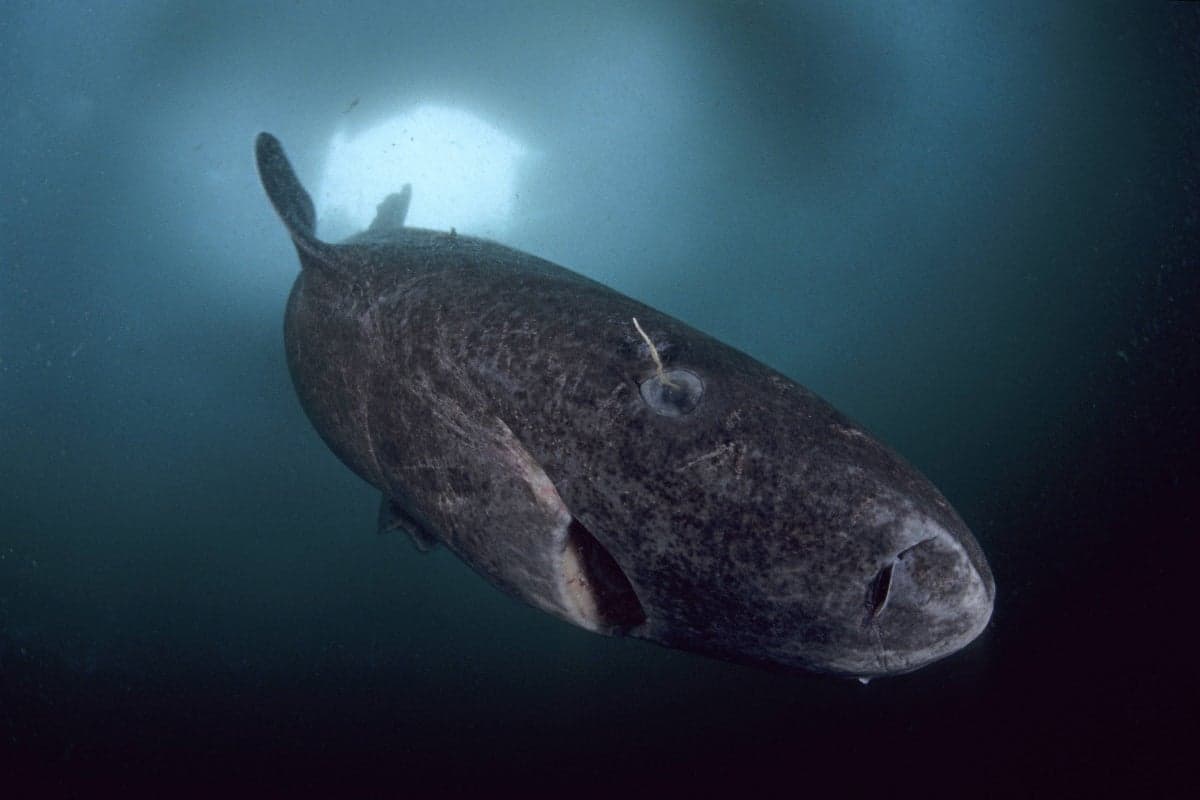
How a Greenland Shark’s Heart Can Beat for Centuries
Why It Matters
The study reveals that even the longest‑lived vertebrates experience heart aging, offering a natural model to explore mechanisms that could mitigate age‑related cardiac decline in humans. Insights from the shark’s physiology may guide new therapeutic strategies for heart health.
Key Takeaways
- •Greenland shark hearts show classic aging signs despite centuries of life
- •Fibrosis, lipofuscin buildup, and mitochondrial damage observed in shark hearts
- •Low blood pressure and unique aorta may offset cardiac aging effects
- •Study compares Greenland shark hearts to short-lived lantern shark and killifish
- •Findings could inform therapies for human age‑related cardiac decline
Pulse Analysis
Greenland sharks epitomize extreme longevity, living up to four centuries with a heart that beats only once every 12 seconds. Their slow metabolism and low activity levels have long intrigued biologists seeking clues about aging resistance. Recent discoveries that these sharks retain functional vision for over a hundred years have expanded interest beyond sensory systems, prompting researchers to probe how vital organs like the heart endure decades of wear without catastrophic failure.
In a comparative study published in Aging Cell, Italian biologist Alessandro Cellerino and his team dissected hearts from Greenland sharks estimated to be 100‑155 years old. Molecular analyses uncovered hallmark aging markers: extensive fibrosis, lipofuscin pigment buildup, damaged mitochondria, and enlarged lysosomes. By contrast, hearts from the short‑lived velvet‑belly lantern shark and African turquoise killifish displayed none of these defects. The researchers hypothesize that the sharks’ unusually low blood pressure and the distinctive architecture of their ventral aorta help maintain cardiac elasticity, allowing the organ to function despite cellular deterioration.
The implications for human health are significant. Understanding how low hemodynamic stress and structural vascular adaptations mitigate cardiac aging could inspire novel interventions for age‑related heart disease. While translating findings from a deep‑sea vertebrate to clinical practice poses challenges, the Greenland shark offers a rare natural experiment in longevity. Future work may isolate specific genetic pathways or biomechanical traits that preserve heart performance, potentially leading to therapies that extend cardiac healthspan in the aging population.
How a Greenland shark’s heart can beat for centuries
Comments
Want to join the conversation?
Loading comments...