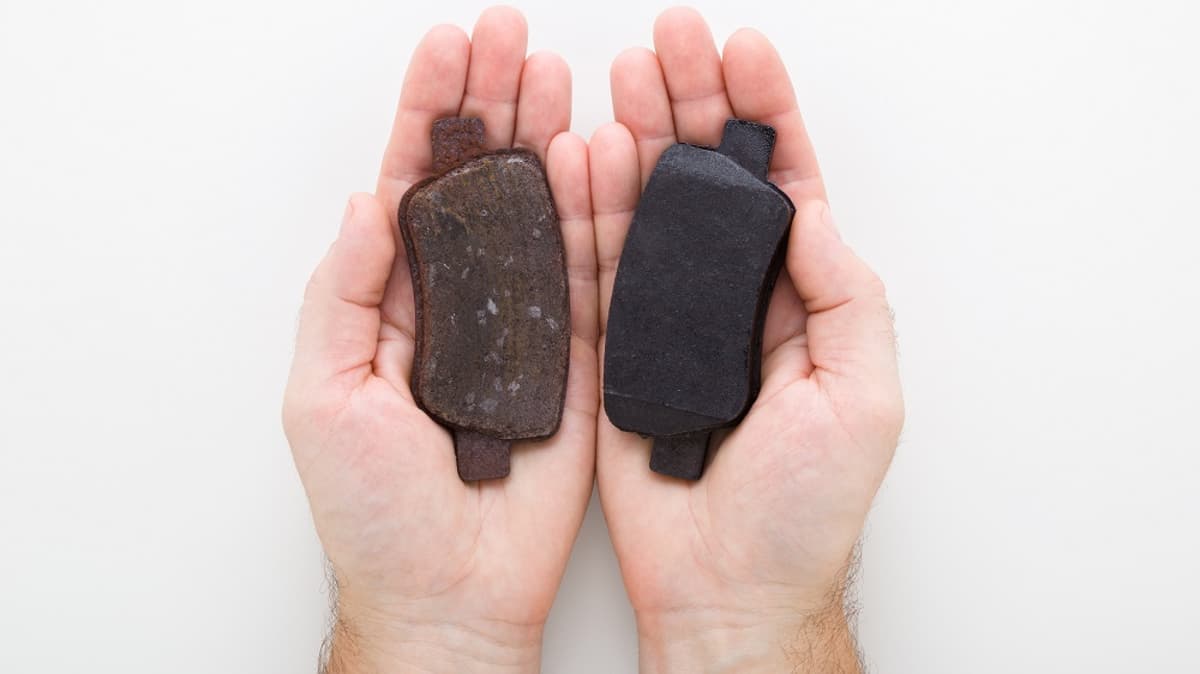
Some Researchers Choose Replacement Over Repair in Aging
Why It Matters
Replacement‑focused approaches could bypass the intrinsic limits of the body’s repair mechanisms, accelerating the development of therapies that extend healthspan. Success would reshape biotech investment and regulatory pathways for regenerative medicine.
Key Takeaways
- •Replacement therapies aim to bypass limits of natural repair mechanisms
- •WFIRM trials stem cells for urinary incontinence, rotator cuff, knee osteoarthritis
- •Bioprinted kidney Phase 3 trial shows dialysis‑free outcomes
- •Naked mole rat and bowhead whale genes target cancer, DNA repair
- •Vascularization breakthroughs address organ‑size bioprinting challenges
Pulse Analysis
The debate between repairing aged tissue and outright replacement is gaining traction as researchers confront the sheer complexity of rejuvenating the human body. Repair mechanisms, while essential, are constrained by cumulative molecular damage and limited regenerative capacity. By swapping out worn components—whether stem‑cell‑derived tissues, synthetic prostheses, or plasma exchanges—scientists aim to sidestep the bottlenecks of endogenous healing. This paradigm shift promises faster functional gains, but it also introduces new variables such as immune compatibility and the risk that transplanted material will quickly adopt the host’s aging signatures.
Current efforts illustrate the breadth of replacement strategies. Wake Forest Institute of Regenerative Medicine is running multiple stem‑cell trials, from urinary sphincter injections for incontinence to autologous cell therapies for severe knee osteoarthritis, and it reports a Phase 3 bioprinted kidney study that could keep patients off dialysis. Stanford’s Kyle Loh lab tackles one of bioprinting’s biggest hurdles—vascularization—by differentiating pluripotent stem cells into blood‑vessel‑forming cells, a step toward fully functional organs. Meanwhile, genetic insights from the naked mole rat and bowhead whale are being explored for cancer resistance and enhanced DNA repair, suggesting that cross‑species gene swaps could become a form of molecular replacement.
Looking ahead, scaling replacement therapies will require breakthroughs in immune‑editing, mass‑production of matched cell lines, and cost‑effective manufacturing. Regulatory frameworks must adapt to evaluate hybrid biological‑synthetic products, while insurers will weigh long‑term savings against upfront expenses. If these challenges are met, replacement‑based interventions could redefine the anti‑aging market, offering patients not just longer lives but healthier, more functional ones. The momentum is building, and the next decade may see the first commercialized organ‑replacement solutions entering mainstream medicine.
Some Researchers Choose Replacement Over Repair in Aging
Comments
Want to join the conversation?
Loading comments...