This Woman Lived to 117. Her Daily Diet May Help Explain Why
Why It Matters
The findings link gut microbiome diversity to extreme longevity, highlighting a potential nutritional pathway for extending healthspan. For the biotech and wellness sectors, it underscores the market relevance of microbiome‑targeted products and dietary strategies.
Key Takeaways
- •María Branyas Morera lived 117 years, studied after death.
- •Her gut microbiome matched diversity of people decades younger.
- •Daily intake of three yogurts likely boosted beneficial Bifidobacterium.
- •Protective genes linked to low triglycerides and high HDL cholesterol.
- •Experts recommend plant‑rich, fermented foods and healthy fats for gut health.
Pulse Analysis
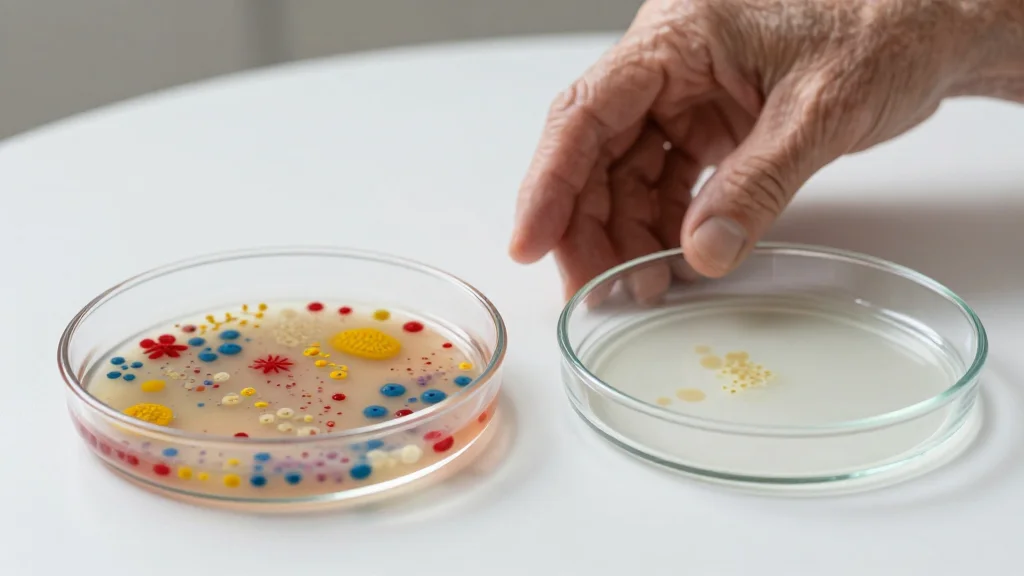
The investigation of María Branyas Morera’s biology offers a rare window into the physiological traits that accompany a lifespan well beyond a century. By sequencing DNA, profiling proteins, and cataloguing gut microbes, scientists identified a constellation of protective genes and metabolic markers—low triglycerides and elevated HDL cholesterol—that are uncommon even among healthy seniors. Most striking was the preservation of a highly diverse microbiome, dominated by Bifidobacterium species, which typically wanes with age. This case adds to a growing body of evidence that microbial diversity may be a cornerstone of longevity, complementing genetic and lifestyle factors.
Beyond the singular nature of the study, broader research consistently links a plant‑forward diet, fermented foods, and healthy fats to a resilient gut ecosystem. Fiber‑rich vegetables, berries, and legumes feed beneficial bacteria, while live‑culture foods such as yogurt, kefir, kimchi, and sauerkraut introduce probiotic strains that can enhance diversity. Healthy fats—particularly extra‑virgin olive oil and omega‑3‑rich fish—support anti‑inflammatory pathways and provide substrates for short‑chain fatty acid production. Together, these dietary patterns help maintain gut barrier integrity, modulate immune responses, and generate metabolites that influence metabolism, all of which are critical for healthy aging.
Nevertheless, extrapolating from one individual to the general population requires caution. Large‑scale longitudinal studies are needed to confirm causality between microbiome composition and lifespan. For consumers and industry players, the pragmatic takeaway is to adopt dietary habits that foster microbial richness: diversify plant intake, incorporate fermented products regularly, and prioritize unsaturated fats. As the science matures, we can expect an expansion of microbiome‑based diagnostics, personalized nutrition platforms, and functional foods aimed at extending healthspan rather than merely lifespan.
This Woman Lived to 117. Her Daily Diet May Help Explain Why
Comments
Want to join the conversation?
Loading comments...