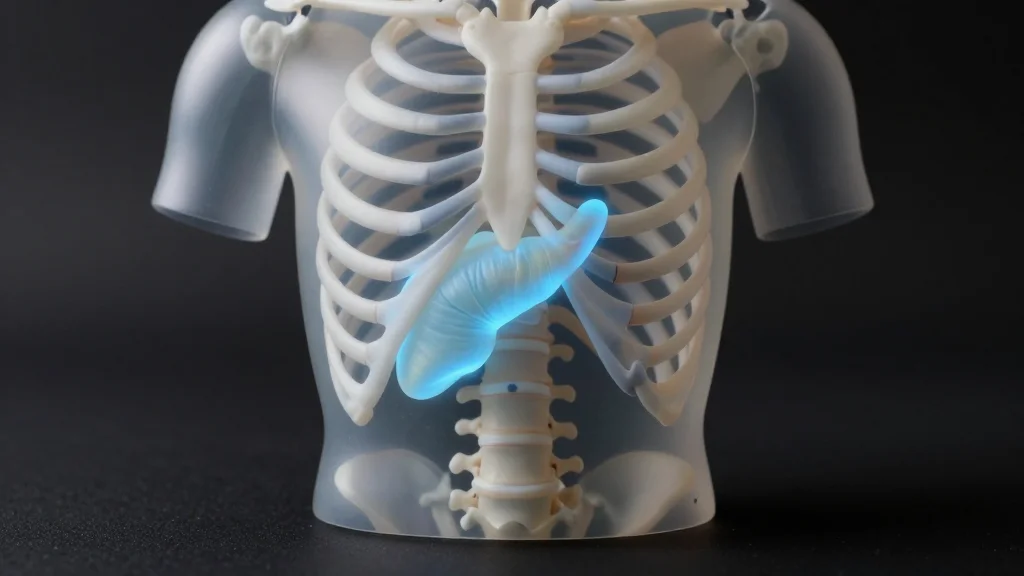
The Body’s Most Mysterious Organ May Play a Key Role in Longevity and Cancer
Companies Mentioned
Why It Matters
The thymus appears to be a pivotal regulator of immune competence across the lifespan, making it a potential target for therapies that could extend longevity, improve vaccine responses, and enhance cancer treatment outcomes.
Key Takeaways
- •Thymectomy doubles all‑cause mortality within five years
- •Healthy thymus linked to 50% lower lung cancer risk
- •AI‑derived thymic health score predicts 12‑year survival
- •Thymus regeneration research aims to improve transplant tolerance
- •Slowing thymic decline could boost vaccine efficacy in seniors
Pulse Analysis
The thymus, long dismissed as a vestigial organ, is emerging as a central player in age‑related immunity. By leveraging large imaging databases, researchers have quantified thymic tissue quality with AI‑driven scores that correlate strongly with long‑term survival, reduced cardiovascular events, and lower incidence of lung cancer. This data-driven approach reframes the gland from a childhood curiosity to a measurable biomarker of systemic health, prompting clinicians to consider thymic status when assessing patient risk profiles.
Beyond observational links, the clinical implications are profound. Patients who have their thymus removed—a common step in certain cardiac surgeries—experience a striking two‑fold increase in mortality and cancer rates, suggesting that preserving thymic function could be a preventative strategy. Moreover, a robust thymus appears to enhance responsiveness to checkpoint inhibitor immunotherapies, offering a potential lever to boost treatment efficacy in oncology. These insights are driving a wave of translational research focused on thymic rejuvenation, including stem‑cell‑based organ engineering and pharmacologic pathways that may slow its natural involution.
The renewed focus on thymic health aligns with broader trends in regenerative medicine and precision health. If scientists can successfully halt or reverse thymic atrophy, the ripple effects could include stronger vaccine responses in older adults, reduced reliance on immunosuppressive drugs for transplant patients, and a new avenue for extending healthspan. As the field moves from correlation to causation, the thymus may become a cornerstone of next‑generation therapies aimed at bolstering the immune system throughout life.
The body’s most mysterious organ may play a key role in longevity and cancer
Comments
Want to join the conversation?
Loading comments...