Why It Matters
The score offers clinicians a scalable tool to stratify patients by immune risk, potentially guiding early interventions and resource allocation in aging populations.
Key Takeaways
- •CT-derived thymic health score predicts all-cause mortality.
- •Low scores linked to cardiovascular, autoimmune, and infectious diseases.
- •Score derived from routine chest CTs, enabling large‑scale screening.
- •Study validates metric across diverse age groups and ethnicities.
- •Potential to inform personalized immunosenescence interventions.
Pulse Analysis
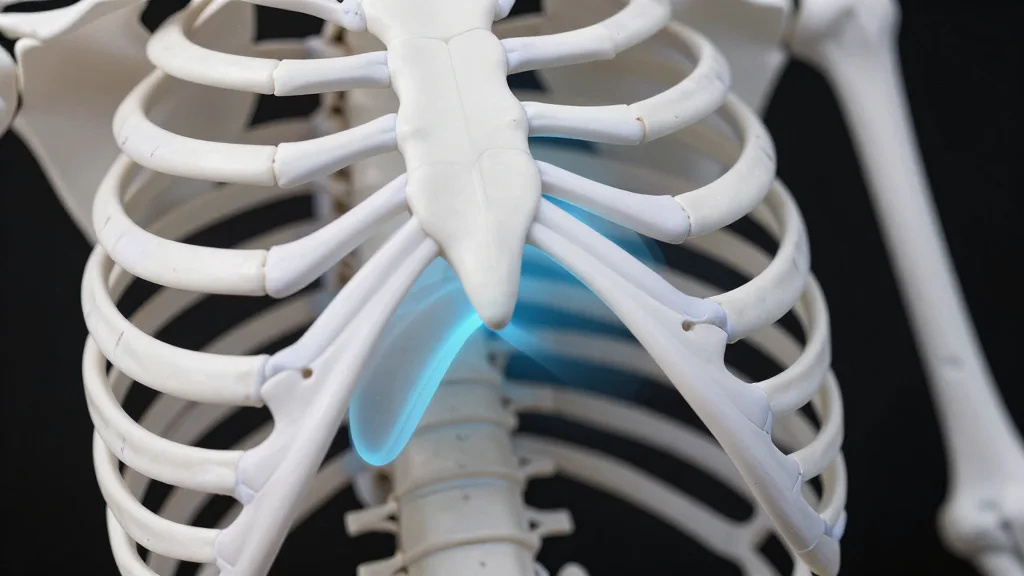
The thymus, a small organ behind the sternum, is central to T‑cell development and thus to adaptive immunity. As people age, thymic tissue gradually involutes, reducing output of naïve T cells and contributing to immunosenescence. Historically, assessing thymic function required invasive biopsies or indirect blood markers, limiting large‑scale epidemiological studies. The new CT‑based thymic health score leverages existing imaging data, turning a routine diagnostic tool into a window on immune aging without additional cost or radiation exposure.
Bernatz and colleagues analyzed over 30,000 chest CTs from diverse health systems, extracting texture and volumetric features that reflect thymic cellularity. After rigorous machine‑learning validation, they generated a continuous score that stratified participants into risk tiers. Individuals in the lowest decile faced a 2.5‑fold increase in all‑cause mortality and markedly higher rates of coronary disease, rheumatoid arthritis, and severe viral infections. The findings held after adjusting for age, sex, smoking status, and comorbidities, underscoring the score’s independent predictive power. By linking imaging phenotypes to clinical outcomes, the study bridges radiology and immunology, opening avenues for longitudinal monitoring of immune health.
Clinically, the thymic health score could be embedded into radiology reporting workflows, alerting physicians to patients who may benefit from preventive strategies such as vaccination optimization, lifestyle modification, or emerging thymic rejuvenation therapies. Health systems could use aggregated scores to identify at‑risk populations, informing public‑health planning and resource distribution. Moreover, pharmaceutical developers may adopt the metric as an endpoint in trials targeting immune‑aging pathways, accelerating the translation of novel interventions. As the population ages, scalable biomarkers like this score will be pivotal in shifting care from reactive treatment to proactive immune health management.
Thymic health under the microscope
Comments
Want to join the conversation?
Loading comments...