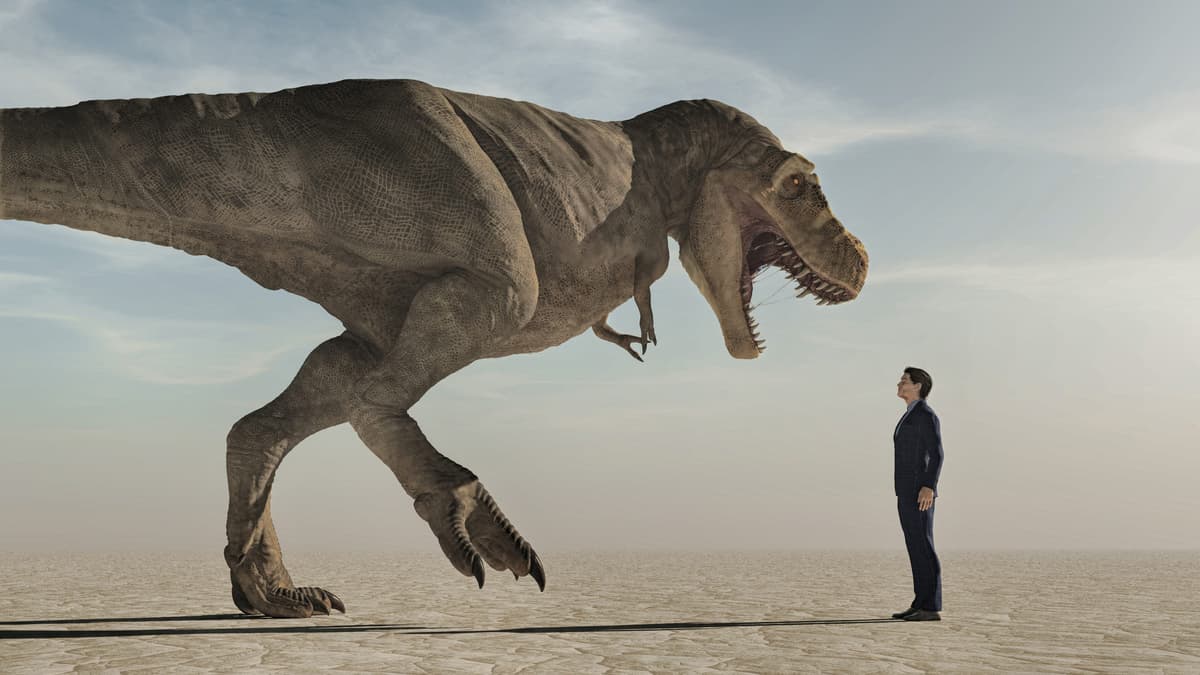
A Scientist Says Humans Were Meant to Live So Much Longer—Then the Dinosaurs Ruined It
Why It Matters
If mammals’ aging is rooted in deep‑time genetic loss, unlocking or re‑activating those dormant pathways could reshape anti‑aging therapeutics and longevity research, creating a strategic frontier for biotech investors.
Key Takeaways
- •Dinosaurs' dominance forced early mammals into rapid‑reproduction strategy.
- •This “longevity bottleneck” may have deactivated genes linked to long life.
- •Human aging could still be constrained by Mesozoic genetic legacy.
- •Loss of repair enzymes may explain mammals' limited regenerative capacity.
- •Anti‑aging research may target resurrected dormant longevity pathways.
Pulse Analysis
The "longevity bottleneck hypothesis" reframes a classic evolutionary narrative by linking the Mesozoic era’s predator pressure to modern mammalian aging. De Magalhães argues that, for over 100 million years, small nocturnal mammals survived by reproducing quickly, sidelining genes that promote tissue repair and lifespan extension. This perspective aligns with comparative studies showing reptiles and birds retain robust regenerative mechanisms absent in most mammals, suggesting a deep genetic divergence rooted in ancient ecological constraints.
For the biotech sector, the hypothesis opens a compelling research avenue: identifying and re‑activating the suppressed longevity genes could yield novel therapeutics. Companies focused on senolytics, gene editing, and cellular rejuvenation may find value in screening for dormant pathways that dinosaurs indirectly erased. By mapping these genetic gaps, scientists can design interventions—such as CRISPR‑based gene reinstatement or small‑molecule activators—to restore lost repair functions, potentially extending healthspan and reducing age‑related disease burden.
Investors and policymakers should watch this emerging field closely. If the hypothesis gains empirical support, it could justify sizable funding for longevity‑focused R&D, driving a new wave of patents and collaborations between academic labs and pharmaceutical firms. However, the theory remains speculative; rigorous comparative genomics and functional studies are needed to confirm causality. Nonetheless, the idea that our aging clock is a relic of dinosaur‑era survival strategies adds a provocative dimension to the ongoing quest for longer, healthier human lives.
A Scientist Says Humans Were Meant to Live So Much Longer—Then the Dinosaurs Ruined It
Comments
Want to join the conversation?
Loading comments...