How Longevity Is Becoming The Wellness Industry’s New Gold Rush
Why It Matters
The longevity focus creates a multi‑billion‑dollar growth engine that deepens brand‑consumer relationships and opens lucrative intersections between wellness and medical services. However, unchecked hype could erode trust and limit broader adoption.
Key Takeaways
- •Global wellness economy exceeds $6 trillion; longevity segment projected $610 bn by 2026.
- •Biohacking market valued $33 billion in 2025, forecast 17% CAGR through 2031.
- •Brands shift from anti‑aging to preventive, long‑term health optimization.
- •Wearables like WHOOP and Oura drive consumer data for healthspan tracking.
- •Risk of over‑commercialization may limit accessibility and credibility of longevity solutions.
Pulse Analysis
The longevity wave is redefining the wellness landscape by turning health into a long‑term investment rather than a momentary feel‑good fix. Analysts estimate the broader wellness market now tops $6 trillion, with the longevity niche alone poised to hit $610 billion within three years. This surge is fueled by consumer desire for preventive care that promises extended healthspan, prompting brands across beauty, sports, and hospitality to embed longevity messaging into product narratives. By framing daily routines as future‑proofing actions, companies capture customers earlier and sustain engagement over longer periods.
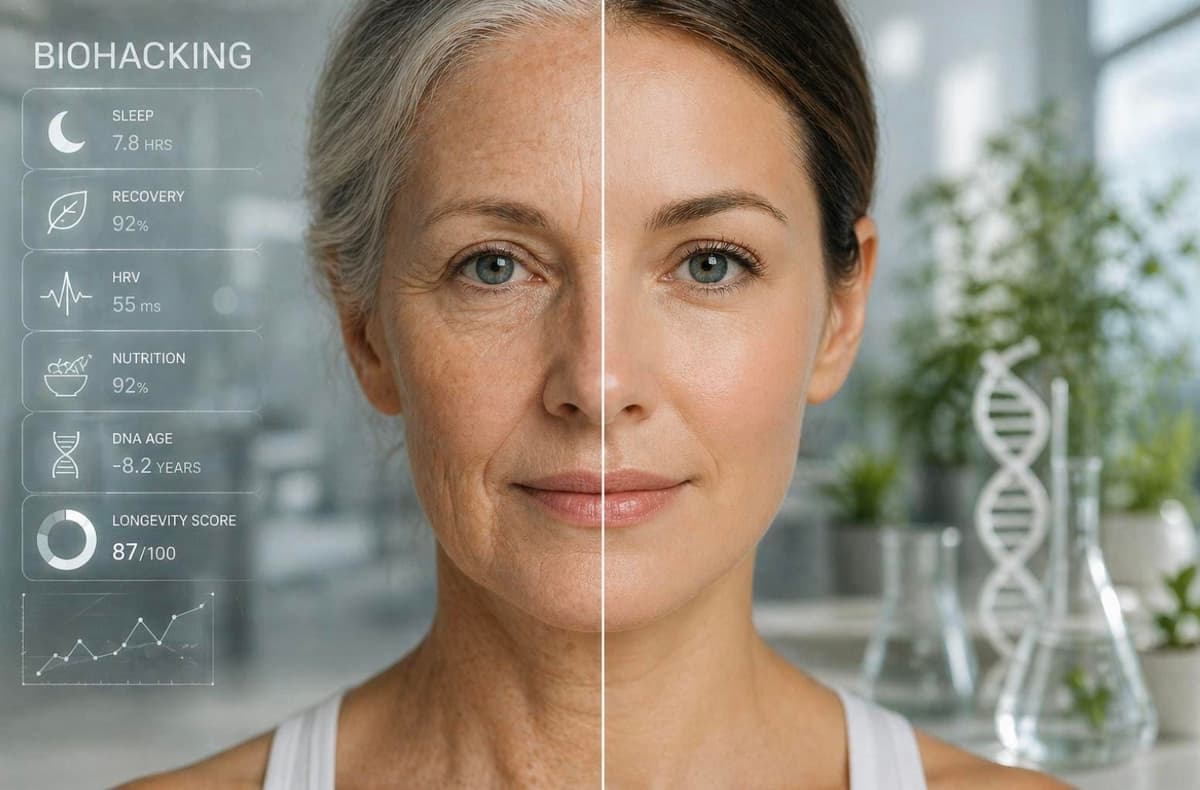
At the heart of this transformation lies biohacking, a fast‑growing sub‑segment that blends technology with self‑optimization. Valued at $33 billion in 2025, the market is projected to expand at a 17% compound annual growth rate through 2031, driven by wearables such as WHOOP and Oura that monitor sleep, stress, and recovery metrics. Emerging services—cold‑therapy pods, genetic‑risk platforms like Function Health, and nootropic supplements—extend the data‑driven approach, turning personal health data into actionable longevity strategies. Investors are pouring capital into startups that promise measurable extensions of healthspan, reinforcing the commercial momentum.
While the financial incentives are clear, the longevity boom carries strategic risks. Over‑commercialization could dilute credibility, especially if products lack rigorous scientific validation, echoing past wellness excesses. Brands that succeed will likely adopt a hybrid model that blends lifestyle experiences with credible health interventions, mirroring the community‑centric principles of Blue Zones. The ultimate test will be whether the industry can deliver accessible, trustworthy solutions that genuinely enhance long‑term wellbeing, or whether it devolves into an exclusive, high‑priced niche. Navigating this balance will determine the durability of the longevity gold rush.
How Longevity Is Becoming The Wellness Industry’s New Gold Rush
Comments
Want to join the conversation?
Loading comments...