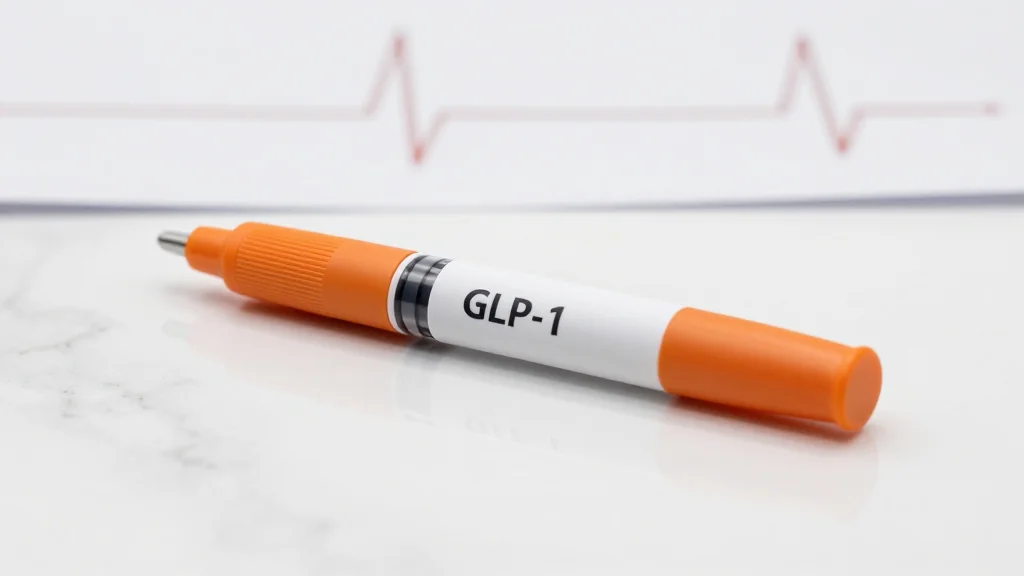
How Long Should You Be on a GLP-1?
Why It Matters
Extended GLP‑1 therapy not only delivers durable weight loss but also cuts cardiovascular risk, reshaping obesity treatment and lowering long‑term healthcare costs.
Key Takeaways
- •Weight loss begins by week four on low‑dose semaglutide
- •One‑year use yields 15‑25% average body‑weight reduction
- •Four‑year continuous use cuts major cardiovascular events
- •Stopping GLP‑1 leads to 20‑30% patients regaining weight
Pulse Analysis
GLP‑1 agonists such as semaglutide have quickly become a cornerstone of modern obesity management. By mimicking the gut hormone GLP‑1, they enhance satiety, blunt food‑related cravings, and modestly boost metabolic rate. Clinical practice starts patients on a low dose to minimize side effects, yet measurable weight loss often appears by the fourth week. This rapid onset encourages adherence and allows clinicians to safely titrate to higher, more effective doses, aligning with guidelines that recommend early dose escalation to maximize outcomes.
Beyond the initial pounds shed, the long‑term data are compelling. A four‑year trial of semaglutide in individuals with established cardiovascular disease demonstrated a significant drop in heart attacks, strokes, and related events, positioning the drug as both a weight‑loss and cardioprotective agent. Systematic reviews confirm that maintaining therapy for two years or more helps patients preserve the majority of their weight loss, supporting the emerging consensus that obesity should be treated like hypertension—requiring ongoing pharmacologic control rather than a short‑term fix.
The decision to discontinue GLP‑1 therapy is nuanced. Studies show that roughly a quarter of patients regain most of their lost weight within two years after stopping, while half manage to keep some benefit. To mitigate rebound, physicians often transition patients to a maintenance dose calibrated to their metabolic needs, pairing medication with sustained lifestyle counseling. This personalized approach, combined with regular monitoring of blood pressure and cholesterol, helps embed weight management into a broader chronic‑disease framework, ensuring patients retain health gains long after the initial treatment phase.
How Long Should You Be on a GLP-1?
Comments
Want to join the conversation?
Loading comments...