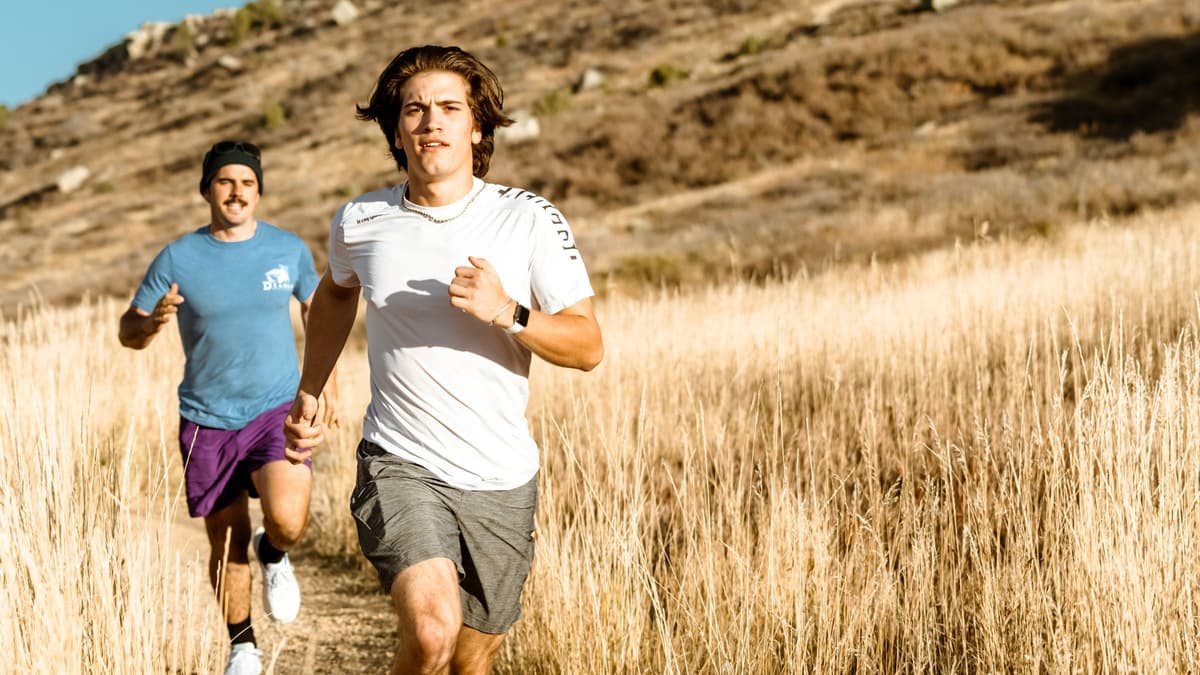
You’re Maxxing Yourself to Death. There’s a Better Way.
The article argues that the current "maxxing" mindset—obsessing over physical optimization—overlooks broader dimensions of health. It introduces the SPECIES‑F framework, outlining eight wellness pillars: spiritual, physical, environmental, career, intellectual, emotional, social, and financial. By citing research from the Global Wellness Institute and peer‑reviewed studies, it shows how each pillar contributes to overall quality of life, especially for endurance athletes who tend to prioritize exercise at the expense of sleep, nutrition, and mental health. The piece advises a seasonal, balanced approach, shifting focus among dimensions to sustain long‑term well‑being.

STAT+: BioAge Says Experimental Pill Aimed at Reducing Heart Risks Significantly Reduced Inflammation
BioAge Labs reported that its investigational cardiovascular‑risk pill BGE‑102 dramatically lowered inflammation in a Phase 1 trial. A 60‑mg dose cut high‑sensitivity C‑reactive protein (hs‑CRP) by 85% after one week, with the effect persisting through three weeks. The same reduction was...

New Launches for In-Cosmetics Global: EpiSnow and PhytoSpherix Hair
in‑cosmetics Global unveiled two new actives: EpiSnow, a biotech‑derived skin‑rejuvenating ingredient that tackles seven ageing hallmarks, and PhytoSpherix Hair, a plant‑based glycogen extracted from non‑GMO sweet corn designed to energize hair follicles. EpiSnow leverages extremophile snow algae to support epigenetic...
From 920lb Deadlifts to Marathons: 5 Lessons on Extreme Performance and Resilience
Pete Rubish, once famed for a 920‑lb deadlift, has reinvented himself as a marathon runner, underscoring a profound shift from raw strength to cardiovascular health. After quitting performance‑enhancing drugs, he grappled with heightened health anxiety, a 24 mm kidney stone that...
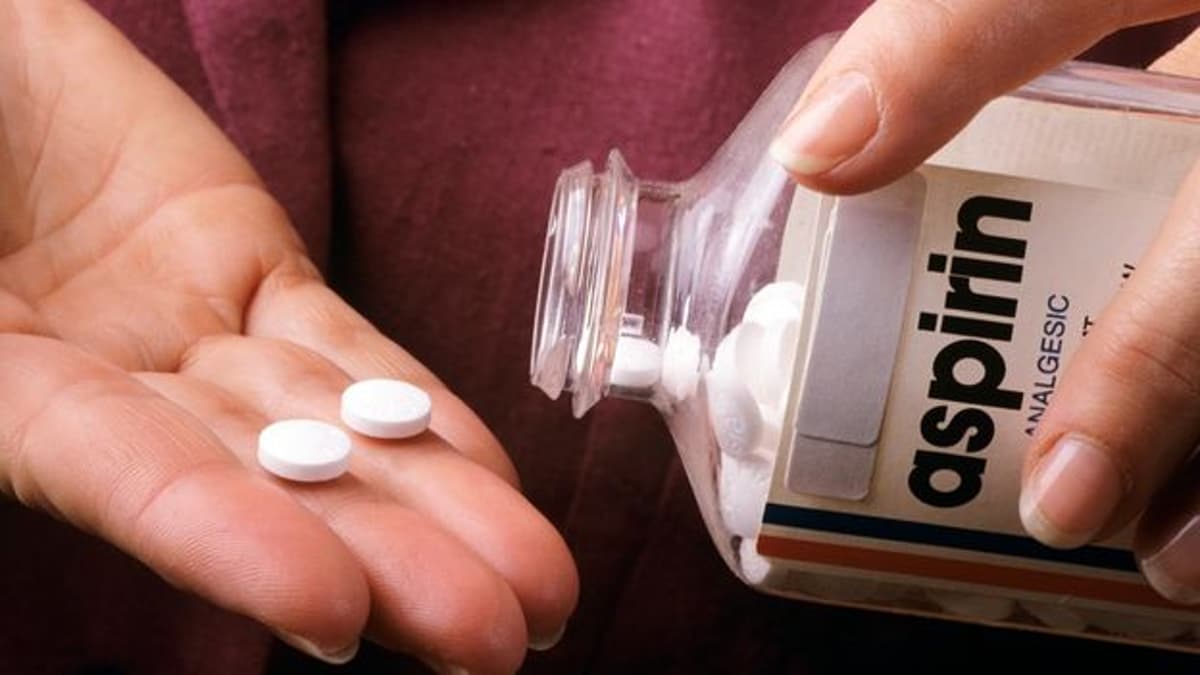
Why Aspirin Is Becoming a Weapon Against Cancer
Aspirin, the 4,000‑year‑old painkiller, is now shown to cut colorectal cancer risk in high‑genetic‑risk patients. A 10‑year trial of 861 Lynch‑syndrome participants found a daily 600 mg dose halved cancer incidence, and a lower 75‑100 mg dose appears equally effective. The UK...
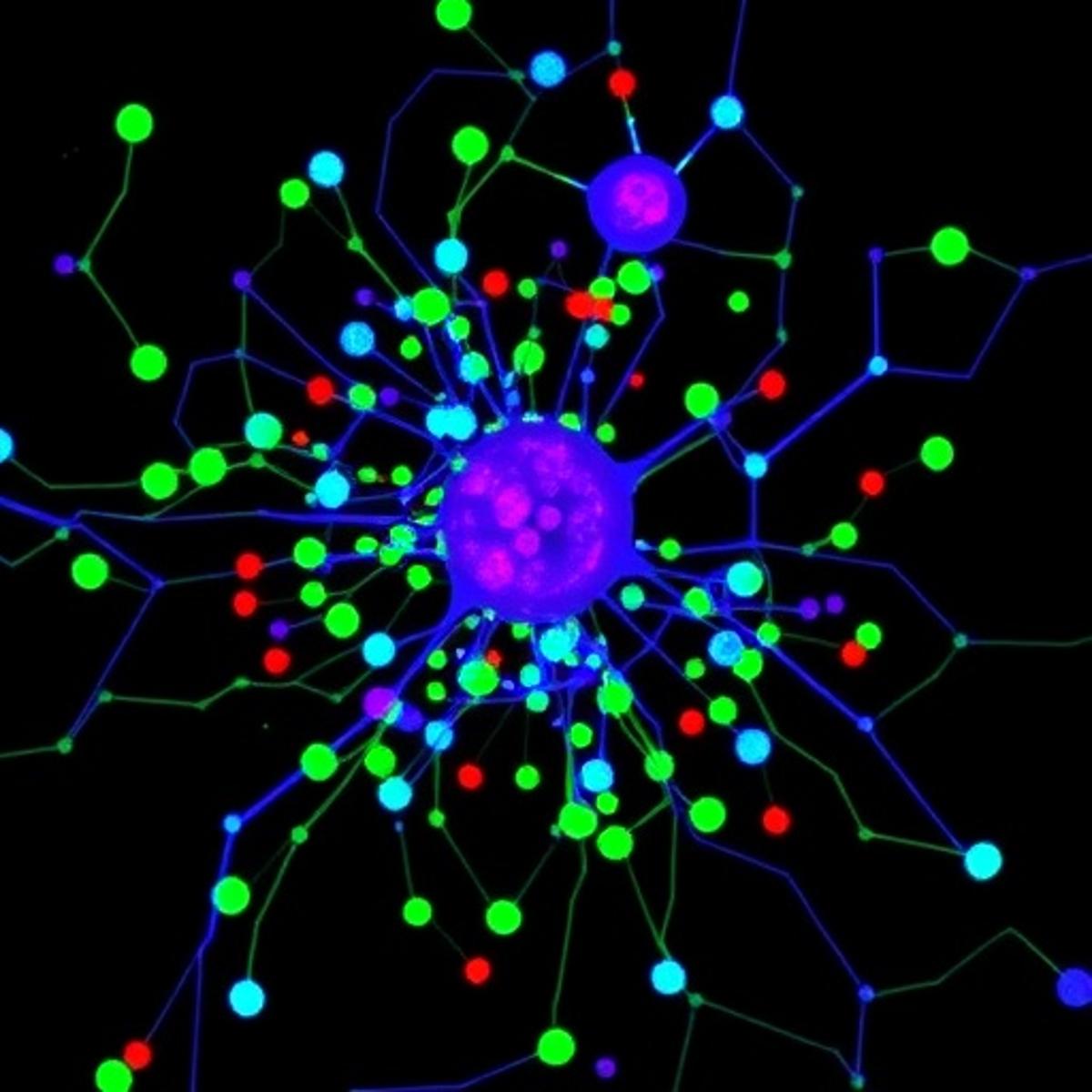
Single-Cell Epigenomes Link Fat to Heart Disease Risk
A new study leveraging single‑cell epigenomic profiling of human adipose tissue has uncovered distinct regulatory signatures that link excess fat to heightened heart disease risk. Analyzing over 200,000 fat cells from 500 donors, researchers identified 12 epigenetic regions that correlate...
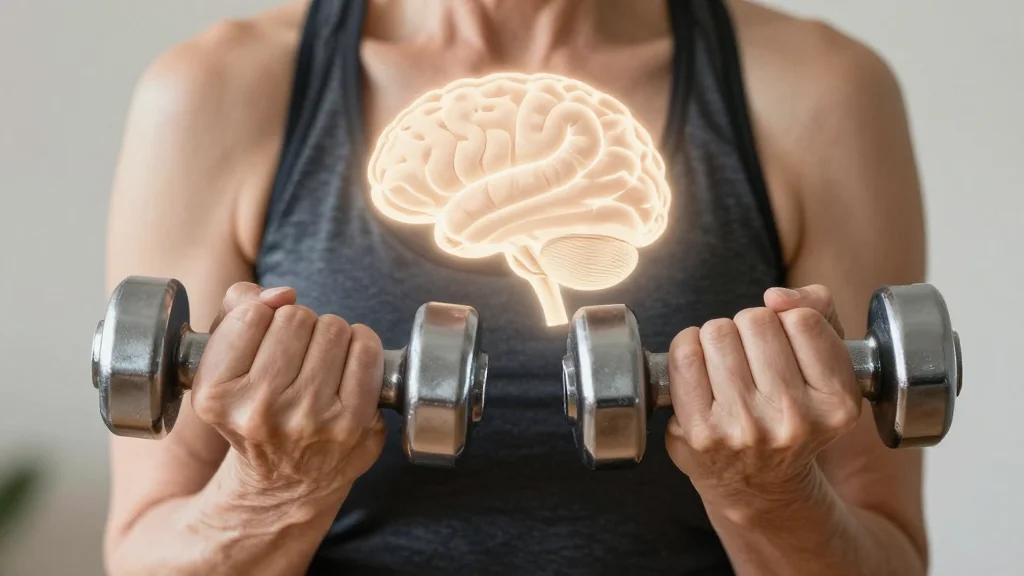
Lifting Weights Builds a Sharper Mind and Reduces Anxiety in Older Women
A three‑month randomized trial found that older women who engaged in resistance training—whether using heavier weights for eight to twelve reps or lighter weights for ten to fifteen reps—experienced significant gains in cognitive performance and marked reductions in depression and...
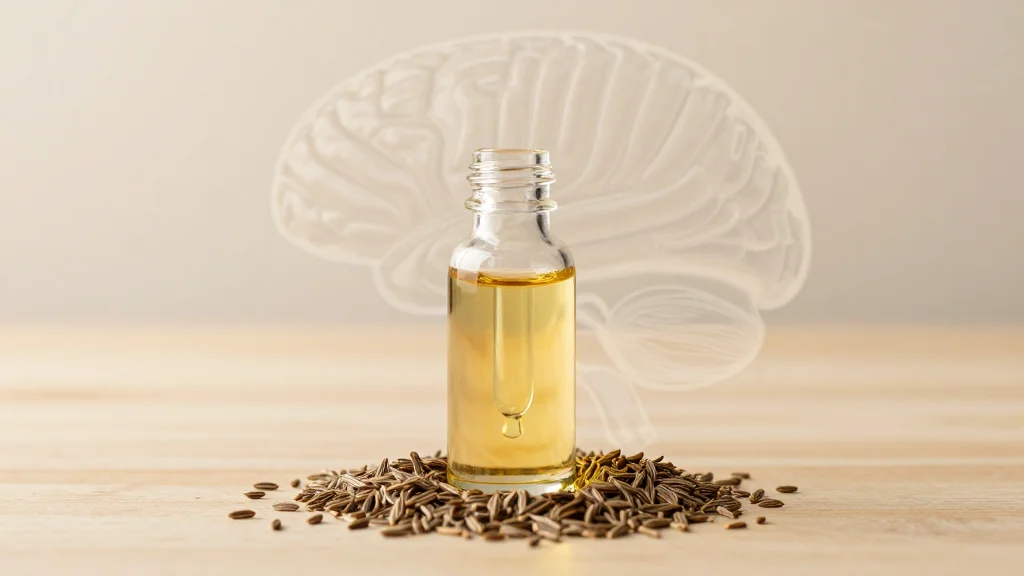
Daily Intake of Cuminaldehyde-Rich Cumin Essential Oil Improves Cognitive Function in Healthy Elderly Japanese Adults: A Randomized, Double-Blind, Placebo-Controlled Pilot...
A 12‑week, double‑blind pilot trial in 38 healthy Japanese seniors found that daily ingestion of a cumin essential oil capsule containing 25 mg cuminaldehyde significantly enhanced psychomotor speed and reaction time compared with placebo. Cognitive gains were measured using the Cognitrax...
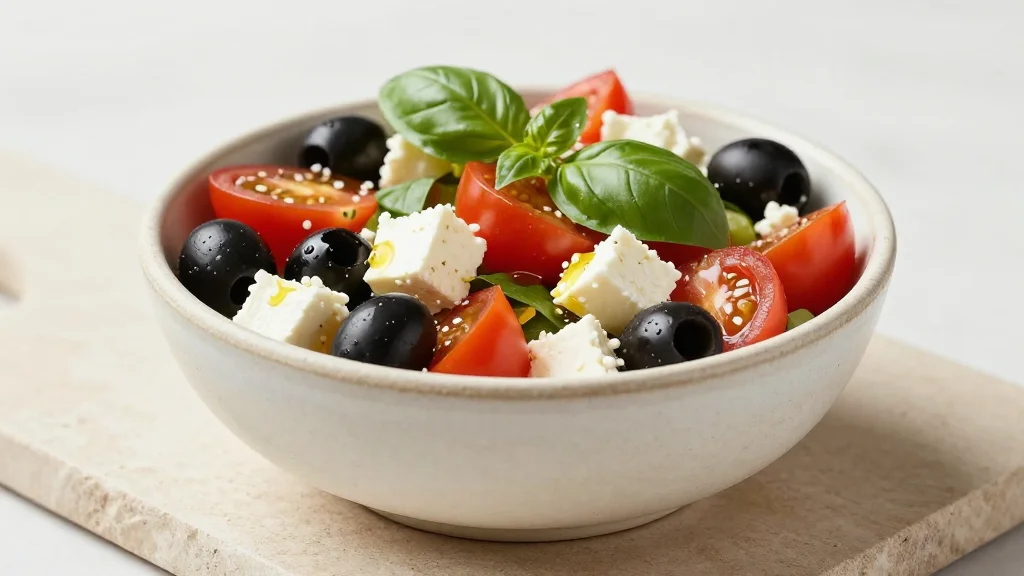
What It Actually Means To “Live Mediterranean,” According To A Large Study
A new international study of 4,010 adults across ten countries used the MedLife Index to measure adherence to a Mediterranean‑style lifestyle, not just diet. Spain emerged as the top performer, scoring high on diet, sleep quality, physical activity, and social...

There’s New Evidence for How Loneliness Affects Memory in Old Age
A new six‑year longitudinal study of 10,217 Europeans aged 65‑94 found that loneliness is linked to lower initial scores on immediate and delayed recall tests, but it does not accelerate the rate of memory decline. Age, depression and chronic illnesses...
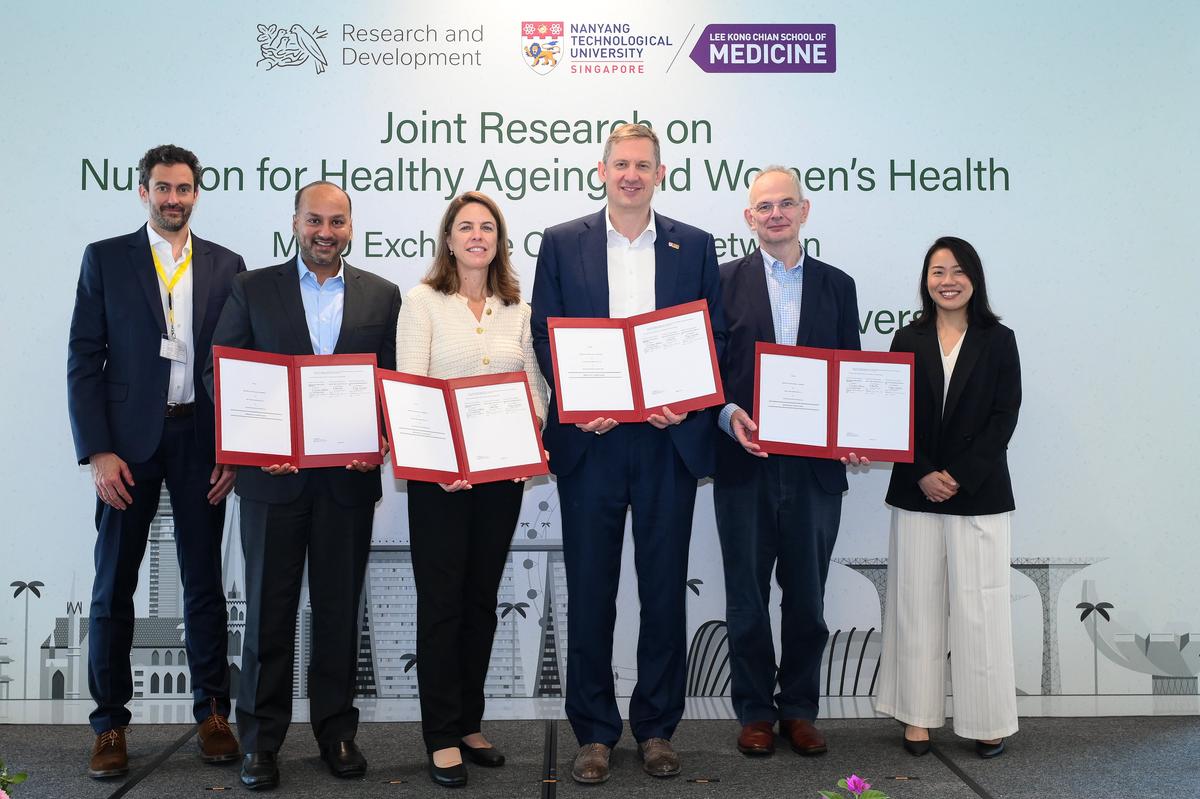
Nestlé and NTU Singapore to Establish Research Lab Focusing on Longevity, Women’s Health
Nestlé and Singapore’s Nanyang Technological University have signed a multi‑year agreement to create a joint research lab focused on nutrition‑driven healthy longevity. The partnership will combine Nestlé’s global R&D capabilities with NTU’s Lee Kong Chian School of Medicine expertise and...

HIV Treatment Reduces Accelerated Biological Aging by Nearly Four Years, Landmark Study Shows
A landmark study presented at ESCMID Global 2026 shows that antiretroviral therapy (ART) reduces the accelerated biological aging seen in people with HIV (PWH) by an average of 3.7 years after roughly 1.5 years of treatment. Researchers used a plasma...

The Best Morning Routine to Help You Live a Longer Life
Experts say a consistent morning routine can boost longevity by aligning sleep, exercise, and nutrition. Wake up at the same time each day to reinforce circadian rhythms, then prioritize resistance training to preserve muscle mass before it becomes harder to...
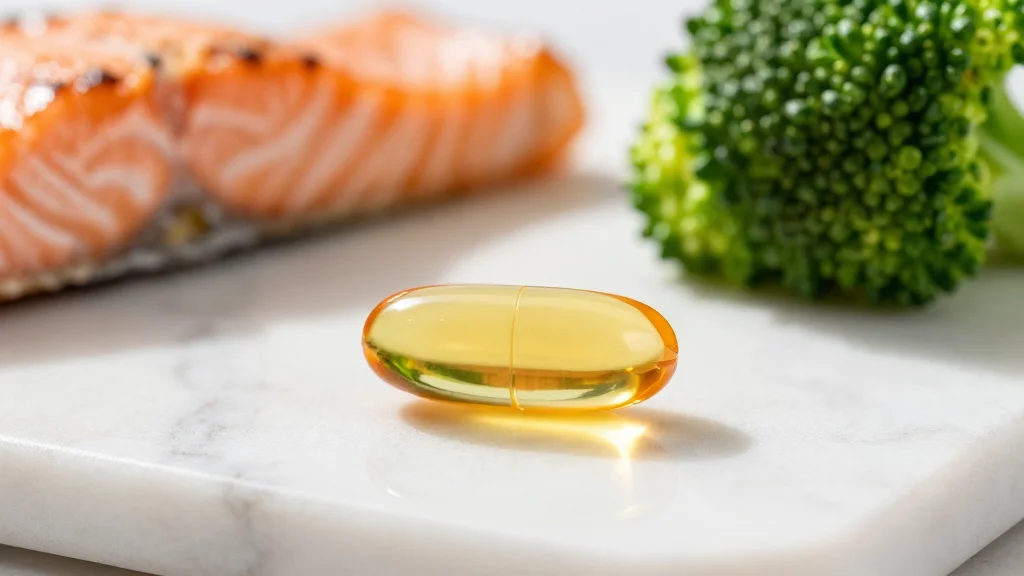
New Study Shows Vitamin D May Reduce Colon Cancer Risk By 58%
A new meta‑analysis of 50 studies covering over 1.3 million people finds that higher vitamin D levels cut colorectal cancer risk by up to 39%, with long‑term tracking showing a 20% reduction. The review highlights a 58% lower risk among women with...
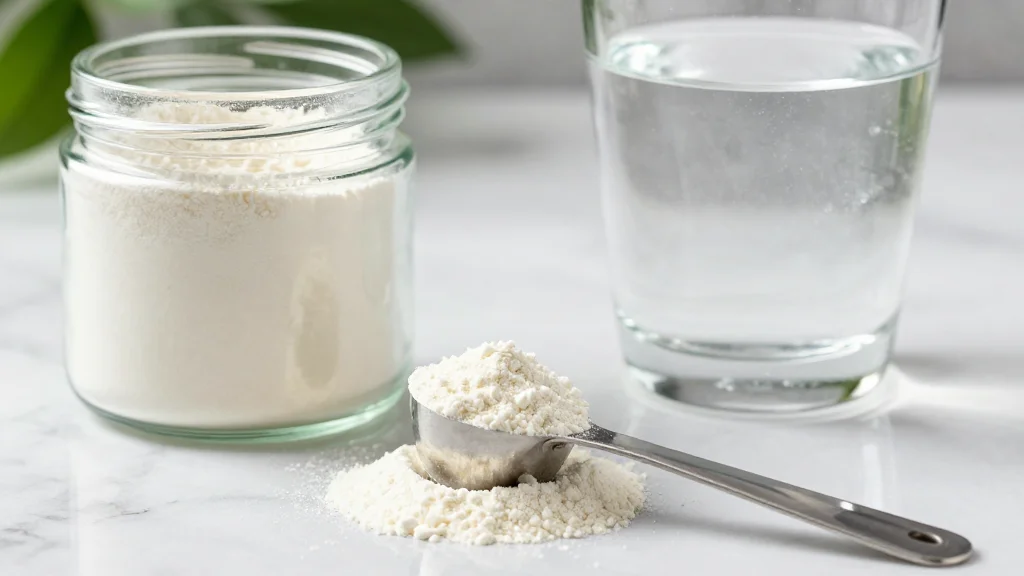
This One Habit Can Support Joints & Smooth Skin For Women 35+
A recent review by registered dietitian Molly Knudsen highlights that daily collagen peptide supplementation can alleviate joint discomfort and improve overall physical health for women in their 30s and 40s. Clinical data from the Journal of the International Society of...

New Research Points To Key Driver Of Biological Aging—With An Easy Fix
New research published in Cell Metabolism identifies “ferro‑aging,” a gradual buildup of iron in tissues that impairs organ function. The study shows the enzyme ACSL4 drives iron‑induced cellular damage, and blocking it in mice improves age‑related decline. In a 40‑month...
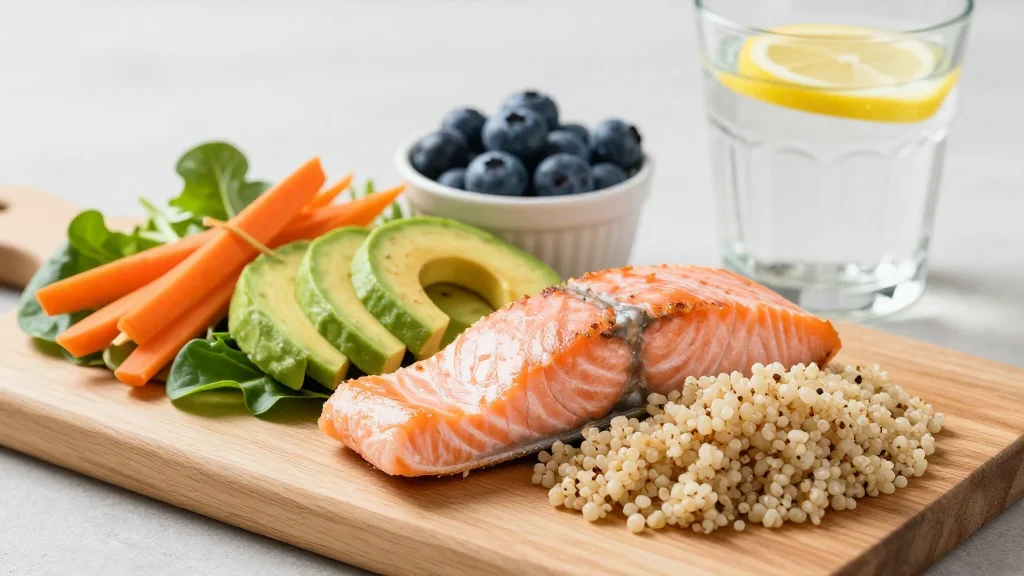
Is The Gut The Missing Link To Women's Longevity? An Expert Explains
Nutrition expert Cynthia Thurlow argues that gut health, protein, and fiber are critical to women’s longevity during menopause. She recommends at least 100 g of protein and 25‑30 g of fiber daily, along with anti‑inflammatory foods and a diverse plant palette. Thurlow...

They Promise Glowing Skin, a Ripped Body and Better Sex. Peptides Are Having a Moment – but Are They Safe?
Peptide injections have surged in popularity after influencers and startups like Superpower, a $300 million health‑tech firm, began touting benefits ranging from youthful skin to enhanced workouts and sexual performance. The debate intensified when Superpower founder Max Marchione faced off with...
The Science Behind the Peptide Craze
The DIY peptide market has exploded, driven by influencers promising faster recovery, anti‑aging, and muscle growth. In 2023 the FDA barred compounding pharmacies from producing several popular peptides, pushing users to gray‑market imports. Health officials, including HHS secretary Robert F....

Cortisol Kill-Switch: Exercise Rewires Stress Biology
A year‑long, randomized clinical trial of 130 mid‑life adults found that meeting the American Heart Association’s recommendation of 150 minutes of moderate‑to‑vigorous aerobic exercise each week significantly lowered long‑term hair cortisol, the primary stress hormone. The same participants also exhibited...
Brain Health: Staying More Active During the Day Helps Retain Brain Volume
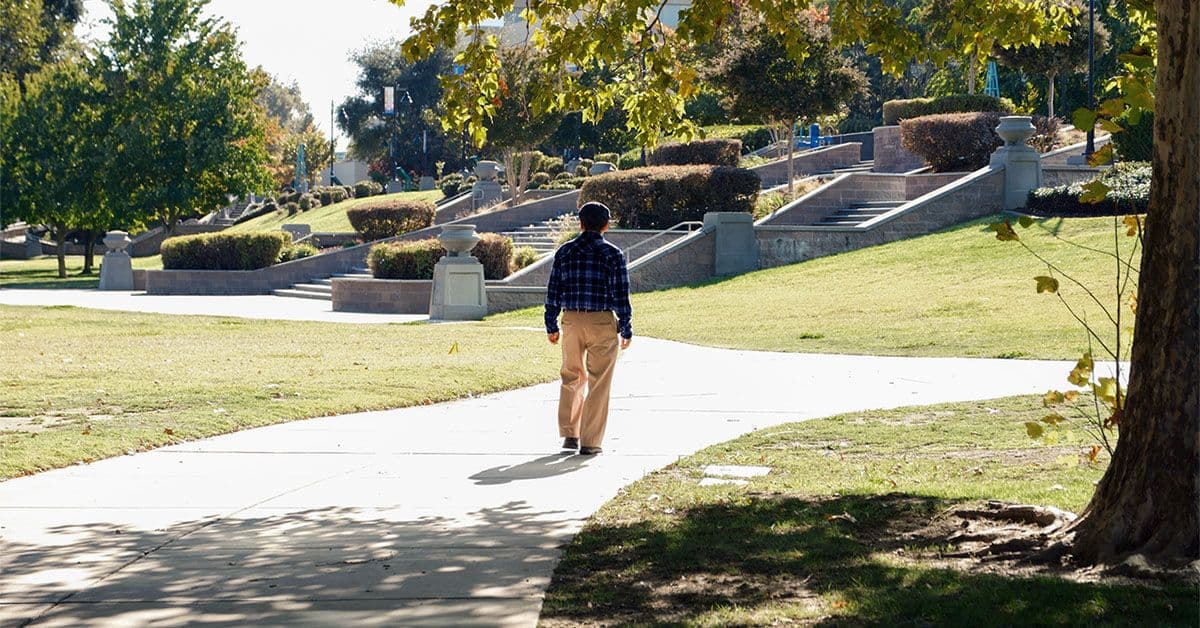
A new Johns Hopkins study using wrist accelerometers and MRI scans found that older adults with less fragmented daily rest‑activity rhythms retain larger volumes in the hippocampus, parahippocampus and amygdala, while highly fragmented rhythms accelerate brain atrophy and ventricular expansion....

A Few Weeks Of This Brain Training Could Protect Your Mind For Decades
A 20‑year study of 2,021 adults over 65 compared memory, reasoning and speed‑training exercises. Only the brief speed‑training protocol, which targets rapid visual processing, reduced dementia diagnoses by 25 %. The benefit persisted only when participants added occasional booster sessions. The...
10 Science-Backed Ways To Improve Your Mitochondrial Health Daily
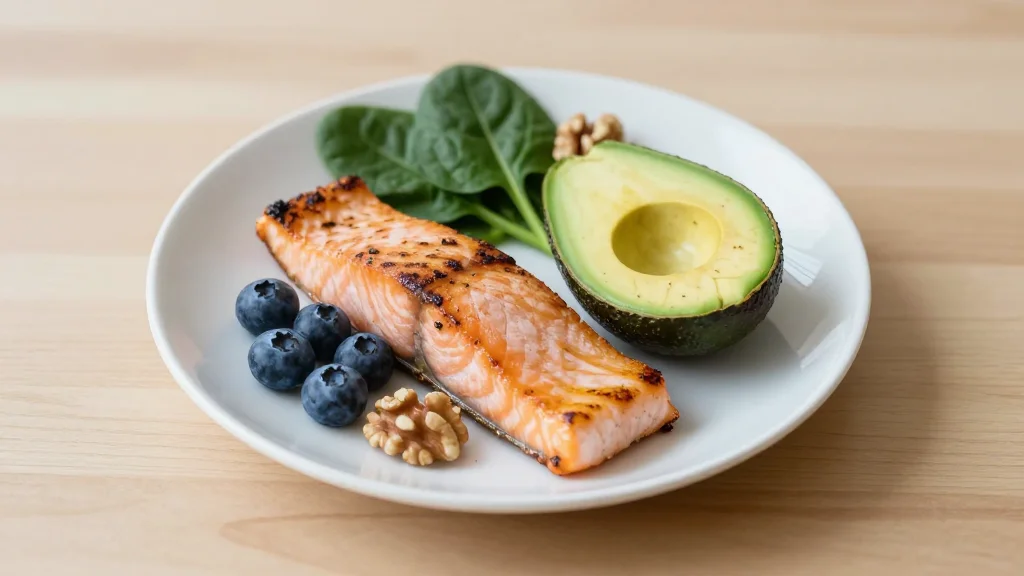
Mitochondrial health has moved from a textbook concept to a daily wellness priority, influencing energy, aging, and resilience. Experts explain that light exposure, movement, nutrition, sleep, and stress management directly shape mitochondrial function. The article outlines ten science‑backed habits—ranging from...

Antarka Unveils ANKros-CPD, a DNA Repair Active for Skin Longevity
Antarka introduced ANKros‑CPD, a biotechnology‑derived enzyme that repairs UV‑induced DNA lesions in skin, at in‑cosmetics Global in Paris. The active is a stabilised CPD‑photolyase sourced from Antarctic microorganisms, enabling topical use. By targeting cyclobutane pyrimidine dimers, it addresses DNA damage,...

High-Precision Human Immune Aging Clock Identifies RUNX1 as Key Target for T Cell Senescence
Researchers from the Chinese Academy of Sciences unveiled a high‑precision Human Immune Aging Clock (HIAC) that leverages single‑cell multi‑omics to predict immune age with a 5.66‑year mean absolute error. The clock identifies T cells as the most sensitive cellular indicator...

Targeting an Appetite Hormone Receptor for Stronger Muscles
Researchers published in Aging Cell that suppressing the ghrelin receptor (GHSR‑1a) improves muscle performance and mitigates sarcopenia in aged mice. Genetic knockout of GHSR‑1a extended running endurance by up to 45% and reduced muscle fatigue, while preserving mitochondrial function through...

The Mild Nutrient Deficiency Linked To Memory Loss
A three‑year randomized trial of 3,500 adults found that a daily 500 mg flavanol supplement, including 80 mg epicatechin, reversed age‑related memory loss. Participants with mild flavanol deficiencies improved memory by 10.5% versus placebo and 16% compared with their baseline scores. The...

Researchers Discover How Stress Signals Weaken the Aging Immune System
Aging hematopoietic stem cells (HSCs) lose regenerative capacity as stress signals activate the RIPK3‑MLKL pathway, causing mitochondrial damage without triggering cell death. Researchers from the University of Tokyo and St. Jude Children’s Research Hospital demonstrated that transient MLKL activation in mitochondria...
Scientists Remove “Zombie” Cells and Reverse Liver Damage in Mice
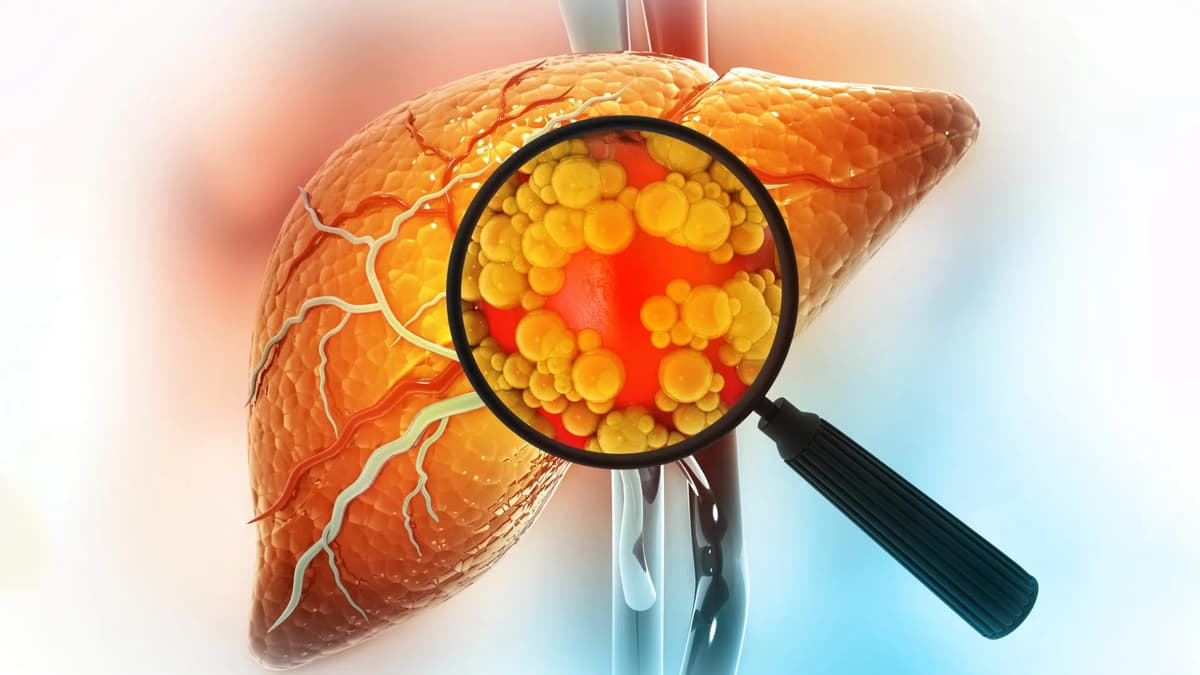
UCLA scientists discovered that senescent liver macrophages, marked by the p21‑TREM2 signature, accumulate with age and high cholesterol. In mice, the senolytic drug ABT‑263 selectively removed these cells, dramatically reducing liver size and body weight despite a continued unhealthy diet....

Lilly's Obesity Pill Heads for Diabetes Filing After Heart Risk Trial
Eli Lilly’s newly approved obesity medication, marketed as Foun…, demonstrated a 16% lower incidence of major cardiovascular events compared with a standard insulin regimen in a recent trial. The data, presented by Lilly, suggest the drug not only aids weight loss...
Heights Study Finds Multivitamin Corrects Key Nutrient Deficiencies in 12 Weeks
Heights’ Director of Science, Dr. Harry Jarrett, presented unpublished data showing that a large share of ostensibly healthy UK adults suffer hidden micronutrient gaps, with 40% lacking folate, 34% lacking active B12 and 83% showing sub‑optimal riboflavin. In a 12‑week,...
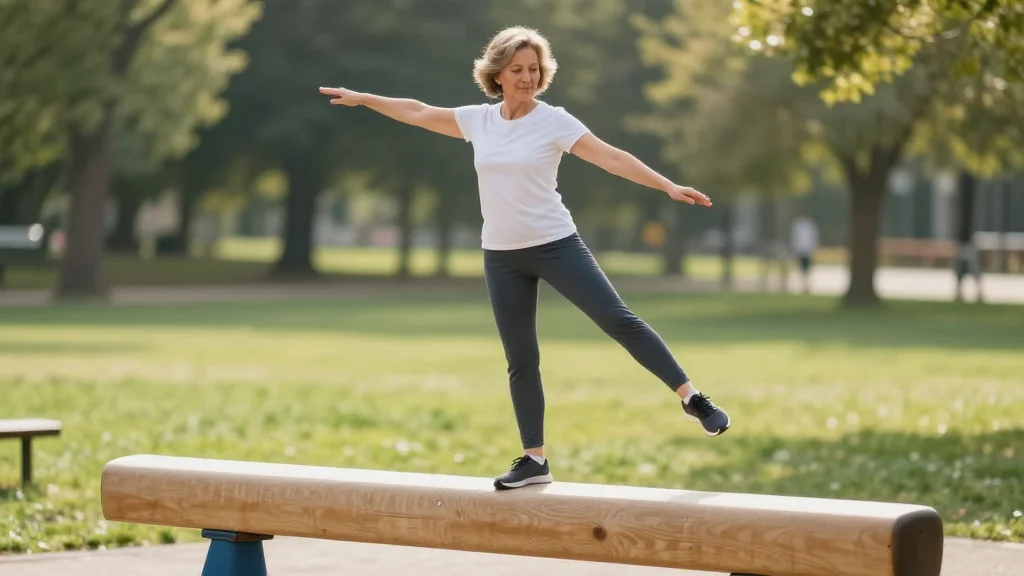
You Can Work Out Daily & Still Be Undermining This Aspect of Longevity
Even a disciplined gym routine can't fully counteract the hidden damage caused by eight hours of daily sitting. Prolonged sedentary time dulls proprioception—the body’s internal GPS—leading to poorer balance, coordination, and higher fall risk. Research shows that micro‑movement breaks and...

Worried About Alzheimer's? This Type Of Exercise May Be Protective
A 24‑week resistance‑training program for adults aged 65‑80 reduced a brain‑volume signature linked to Alzheimer’s disease, especially among participants with early amyloid‑beta biomarkers. MRI scans showed adaptive thinning in vulnerable regions, and those changes correlated with better performance on executive‑function...
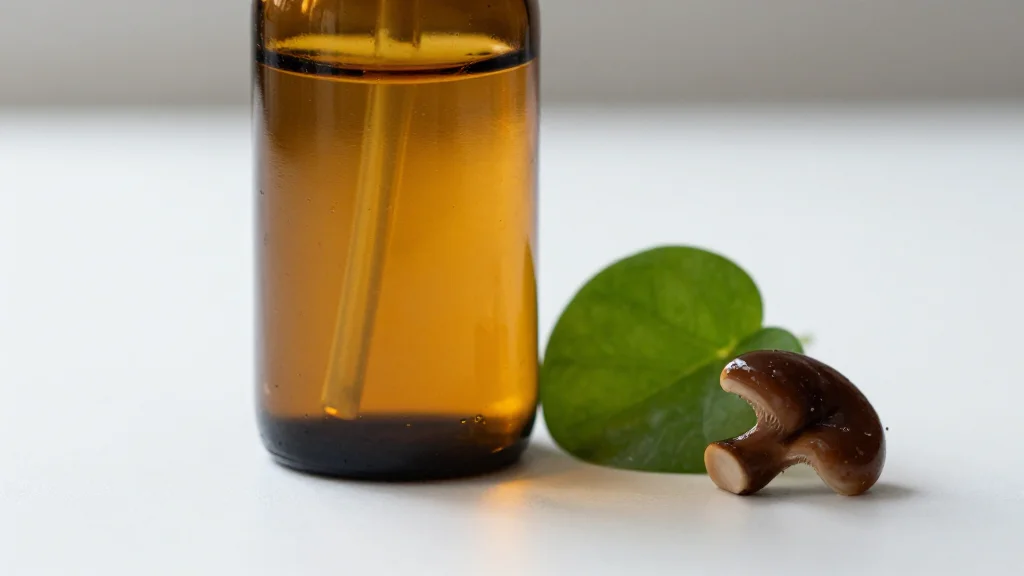
TRI-K Industries Unveils NeoColla, a Next-Generation Solution for Collagen Banking and Skin Longevity
TRI‑K Industries has launched NeoColla™, a next‑generation collagen‑boosting ingredient that merges Centella asiatica‑derived exosomes with Ganoderma (Reishi) peptides. The formula promises to increase collagen synthesis, improve dermal density and reduce wrinkle depth in as little as 28 days. Positioned as...

BodySpec Partners with Longevity Telehealth Clinic on DEXA Scans
Hone Health, an AI‑enabled telehealth clinic focused on longevity, has integrated BodySpec’s clinical‑grade DEXA body composition scans into its patient app. The partnership lets users purchase scans directly, view detailed metrics such as lean muscle, visceral fat, bone density and...
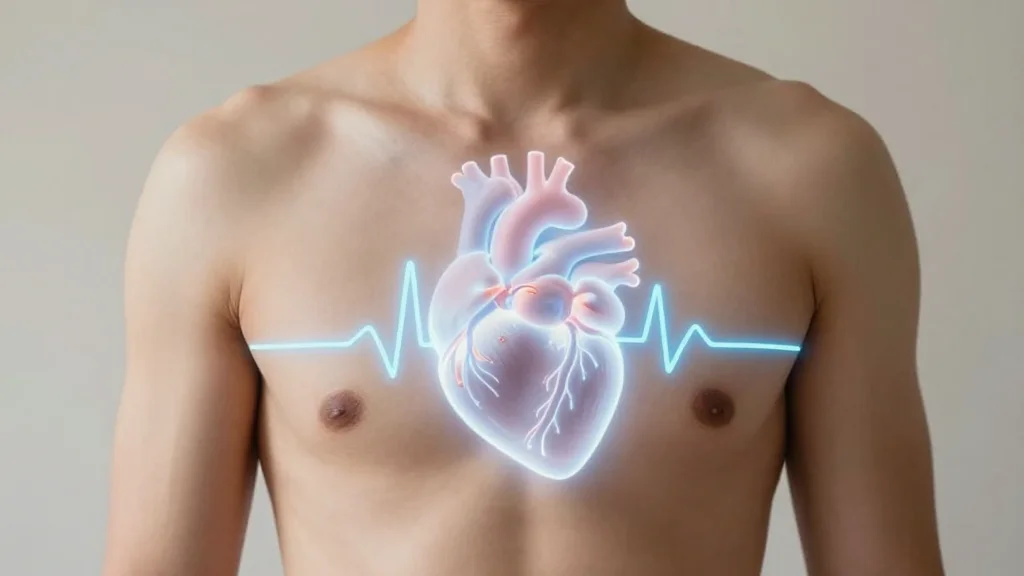
3 Tips From Bryan Johnson on Lowering Your Heart Rate
Bryan Johnson, the tech entrepreneur turned longevity advocate, outlines three practical ways to lower resting heart rate, a metric he says is closely tied to lifespan. He recommends consistent aerobic exercise, daily breath‑work or meditation, and optimizing sleep and nutrition...

Why Your 'Normal' Lab Results May Not Be Optimal for Longevity, According to a Doctor
Doctor Daniel Ghiyam warns that standard lab reference ranges are based on average, often unhealthy, populations, meaning a result can be "normal" yet sub‑optimal for longevity. He cites vitamin D, where 20 ng/mL meets bone‑health guidelines but 40‑80 ng/mL offers stronger immune...

Vitamin C Alleviates Aging in Cynomolgus Monkeys
Researchers introduced the term “ferro‑aging” to describe iron‑driven lipid peroxidation that accelerates cellular senescence. They showed that excess iron elevates ACSL4, boosting reactive oxygen species and aging markers in cells, mice and cynomolgus monkeys. A high‑throughput screen identified vitamin C as...

Hair Longevity Set to Be Beauty’s Next Big Movement
The beauty sector is pivoting from corrective to preventive care, extending the longevity science trend to hair. Brands are now framing hair products around scalp health, follicle function, and long‑term fiber integrity rather than short‑term cosmetic fixes. LVMH’s research into...

Doing This Throughout Life May Cut Alzheimer’s Risk by 38%
Researchers tracking 1,939 older adults over eight years found that individuals with the highest lifelong cognitive enrichment experienced a 38% lower risk of Alzheimer’s disease and a 36% lower risk of mild cognitive impairment. The top 10% of participants delayed...

Common Osteoporosis Drugs Could Slow or Halt Aneurysm Progression
Researchers at Nagoya University discovered that clonal hematopoiesis, found in about 60% of aortic aneurysm patients, accelerates aneurysm expansion. In mouse models, Tet2‑mutant macrophages promoted elastin loss and matrix degradation via the RANK/RANKL pathway. Treatment with FDA‑approved osteoporosis drugs—anti‑RANKL antibodies...
Aligning Exercise Timing with Body Clock Chronotype Could Reduce Cardiovascular Disease Risk
A randomized trial of 150 middle‑aged adults with cardiometabolic risk found that exercising in sync with one’s chronotype dramatically amplified health gains. Participants who timed brisk walking to their natural morning or evening preference saw systolic blood pressure drop 10.8 mm Hg,...

$1 Million Gift Advances Healthy Aging Research at OTU
Ontario Tech University has received a $1 million CAD (≈$740,000 USD) donation from the Sienna for Seniors Foundation to launch the Sienna Senior Living Research Centre for Healthy Aging and Happiness. The centre will pursue applied, human‑centred research across three pillars: enhancing...

This Mediterranean‑style Diet Is Linked to a Slower Loss of Brain Volume as We Age
A recent analysis of the Framingham Heart Study found that seniors who closely follow the Mind diet – a hybrid of Mediterranean and DASH eating patterns – retain more grey‑matter and experience slower overall brain‑volume loss. The diet emphasizes vegetables,...

Researchers: Eating More Meat May Lower Alzheimer’s Risk—But Only for 1 Specific Group
Researchers at Karolinska Institutet and Stockholm University found that higher meat consumption was linked to a reduced risk of Alzheimer’s disease, but only among individuals carrying the APOE4 gene variant. The observational study suggests that APOE4 carriers may process meat‑derived...

GLP-1 Drug Improves Liver Health Independent of Weight Loss, Mouse Study Finds
Researchers at Toronto’s Sinai Health discovered that semaglutide, a GLP‑1 agonist, improves liver function by acting directly on liver sinusoidal endothelial cells, independent of weight loss. The study, published in Cell Metabolism, used mouse models of metabolic dysfunction‑associated steatohepatitis (MASH)...

New Alzheimer’s Blood Test Promises Earlier Detection
Researchers at Mass General Brigham have shown that the blood‑based pTau217 biomarker can predict amyloid and tau plaque buildup years before PET scans turn positive, even in asymptomatic adults aged 50 to 90. The study of 317 participants demonstrated that...

New Evidence Links Heart Disease to Inflammation—And Drugs Can Stop It
New research confirms chronic inflammation as a major, often hidden driver of heart disease, accounting for roughly a quarter of heart attacks in patients without traditional risk factors. Landmark trials such as JUPITER, CANTOS, and a 2020 colchicine study demonstrated...

The Secret to Living Past 100 May Come Down to These 3 Key Factors
A new study examined blood proteins from mid‑life adults, older patients, and centenarians, revealing that the oldest individuals retain a youthful protein signature. The research highlighted lower inflammation, reduced oxidative stress, and stable metabolic markers in centenarians compared with younger...

Growth Asia Summit 2026: Haleon, Siens by Dabur, Yili to Deiscuss Healthy Longevity
The Growth Asia Summit 2026 will be held July 8‑10 in Singapore’s Marina Bay Sands, gathering more than 40 senior executives, scientists and marketers from the health‑nutrition sector. The three‑day program spotlights healthy ageing, healthspan, infant nutrition, metabolic health and protein‑focused...