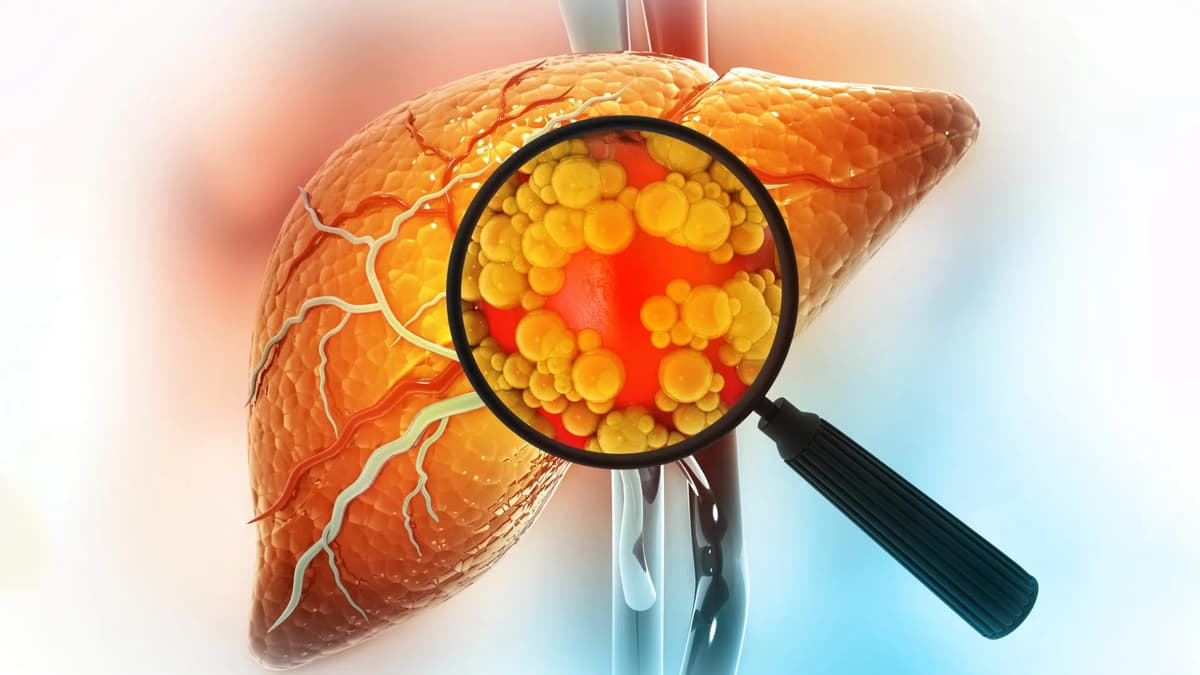
Scientists Remove “Zombie” Cells and Reverse Liver Damage in Mice
Why It Matters
Eliminating senescent immune cells could reverse fatty liver disease and curb broader age‑related inflammation, opening new avenues for treatment of metabolic and degenerative conditions.
Key Takeaways
- •Senescent macrophages rise from 5% to 60‑80% in aging livers
- •p21‑TREM2 combo uniquely marks senescent liver macrophages
- •ABT‑263 cleared these cells, shrinking fatty livers by ~30%
- •High LDL cholesterol induces macrophage senescence in vitro
- •Human biopsies show same senescent signature in diseased livers
Pulse Analysis
UCLA researchers have identified a distinct population of senescent macrophages that accumulate in the liver as organisms age. By pairing the cell‑cycle inhibitor p21 with the immune receptor TREM2, the team created a reliable molecular signature that separates dysfunctional, inflammation‑driving macrophages from their healthy counterparts. The study shows that this senescent fraction expands dramatically—from roughly 5 % of liver macrophages in young mice to 60‑80 % in older animals—mirroring the rise in chronic hepatic inflammation. Moreover, exposure to elevated LDL cholesterol pushes otherwise normal macrophages into the same senescent state, linking dietary lipids directly to age‑related tissue damage.
Armed with the p21‑TREM2 marker, the investigators used the senolytic agent ABT‑263 to selectively eliminate the harmful cells in mice fed a high‑fat, high‑cholesterol diet. Within weeks, liver mass fell from about 7 % of body weight to a healthier 4‑5 %, and overall body weight dropped roughly 25 %, equivalent to a reduction from 40 g (0.09 lb) to 30 g (0.07 lb). Histologically, treated livers regained a normal reddish hue, indicating genuine reversal of fatty liver pathology rather than mere slowing of progression. The findings demonstrate that targeting senescent immune cells can restore organ function even under continued dietary stress.
Analysis of existing human liver‑biopsy transcriptomes revealed the same p21‑TREM2 senescent signature in patients with non‑alcoholic fatty liver disease, suggesting translational relevance. While ABT‑263 is too toxic for routine clinical use, the work paves the way for safer senolytics that could curb inflammation across multiple age‑related conditions, from atherosclerosis to neurodegeneration. The results also reinforce the geroscience hypothesis that a single aging mechanism—here, macrophage senescence—drives diverse diseases. As the prevalence of fatty liver climbs, especially in U.S. Latino communities, interventions that clear senescent cells could become a cornerstone of preventive medicine.
Scientists remove “zombie” cells and reverse liver damage in mice
Comments
Want to join the conversation?
Loading comments...